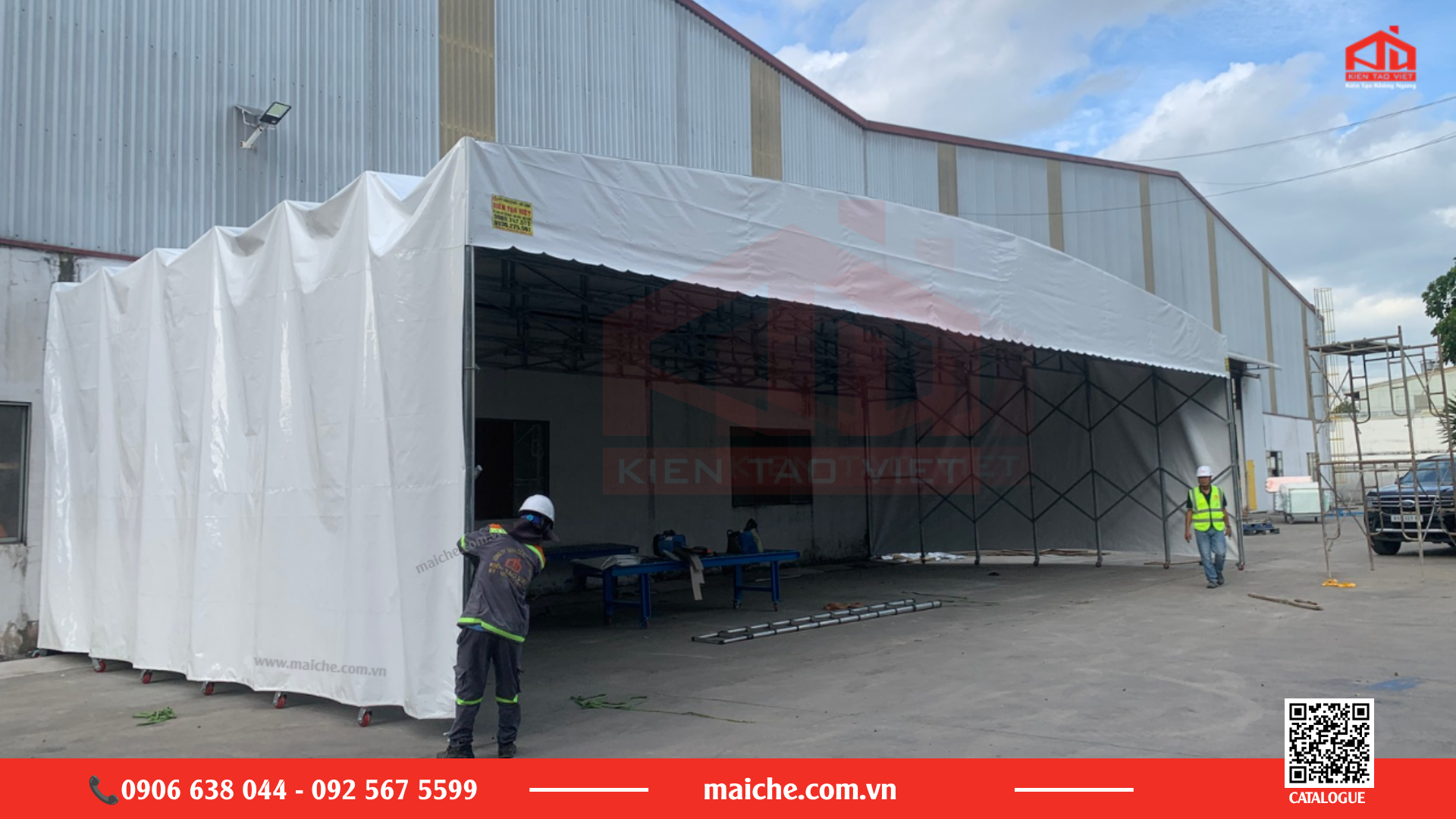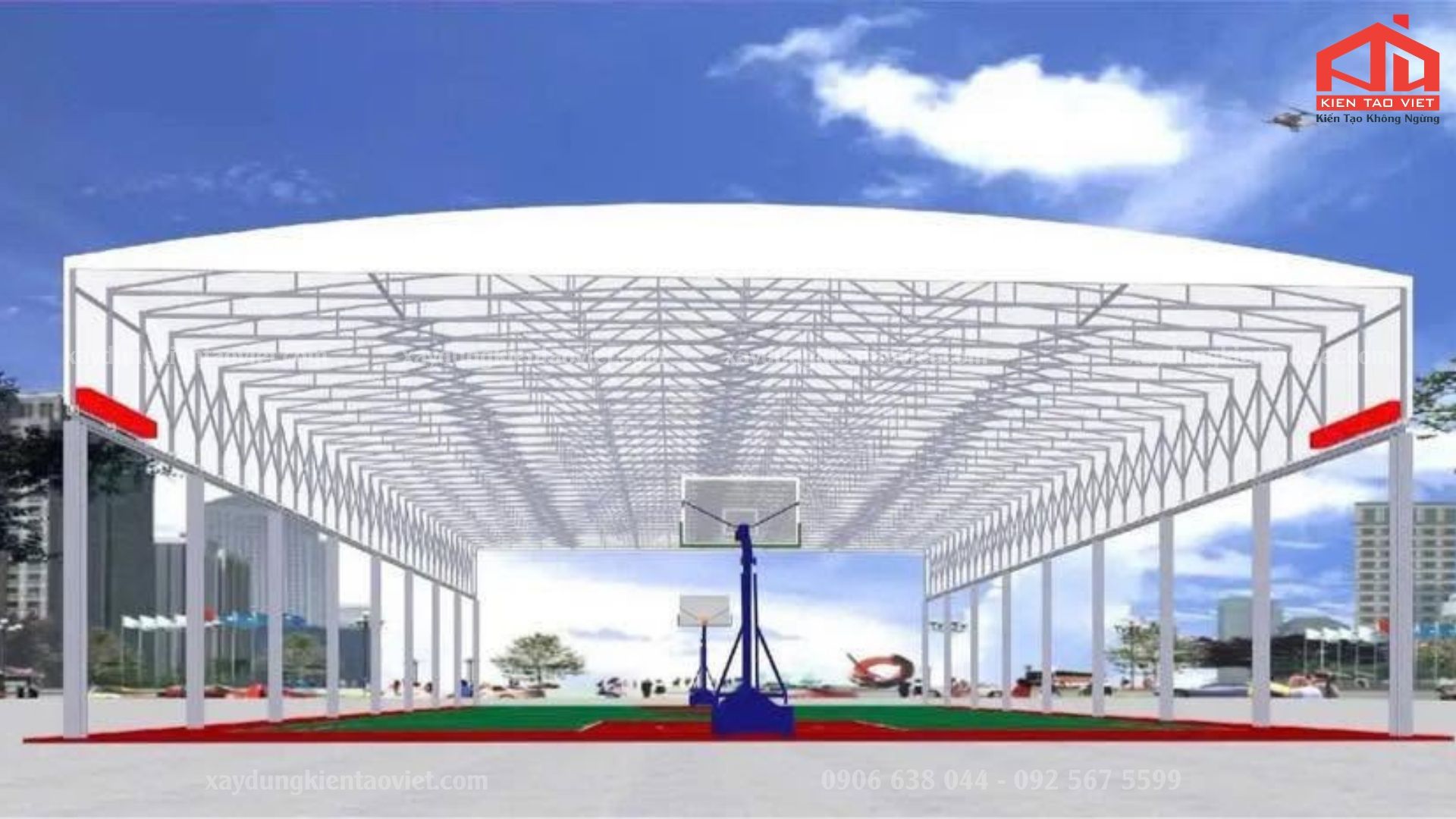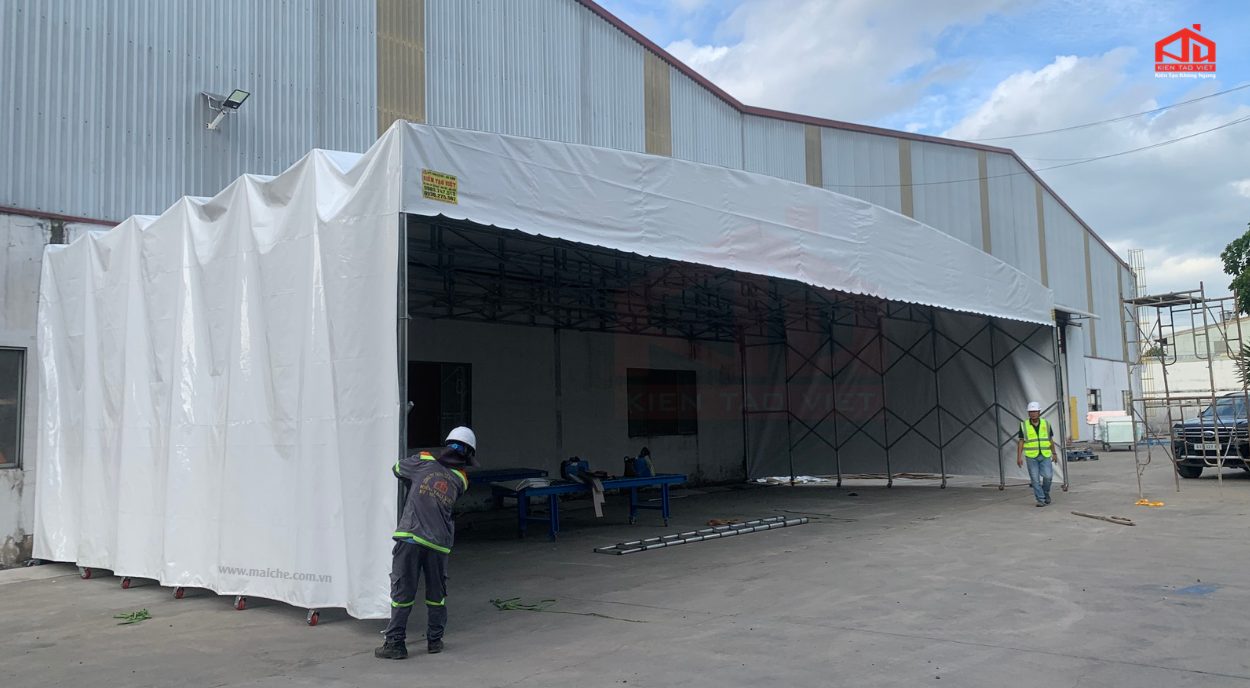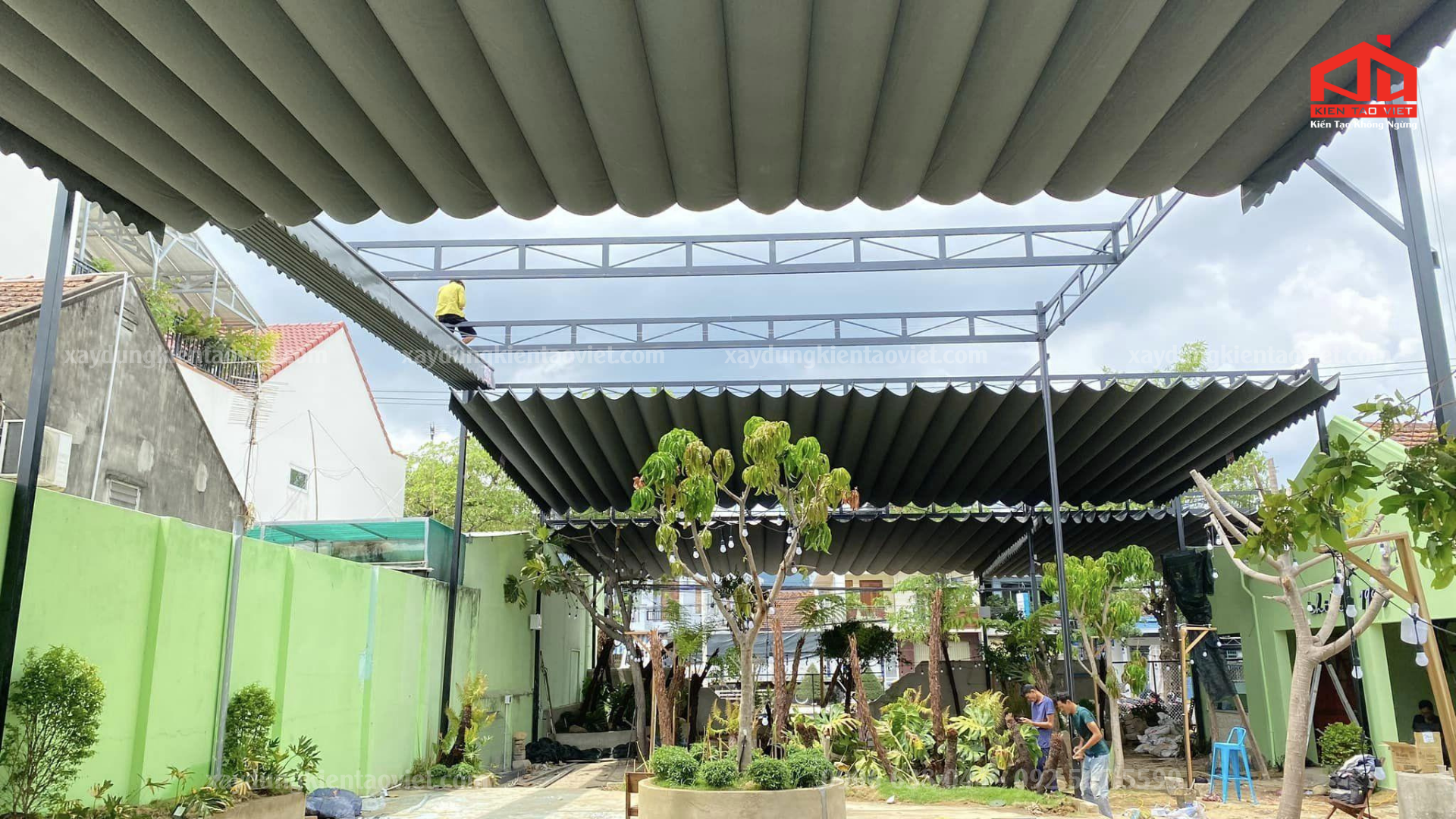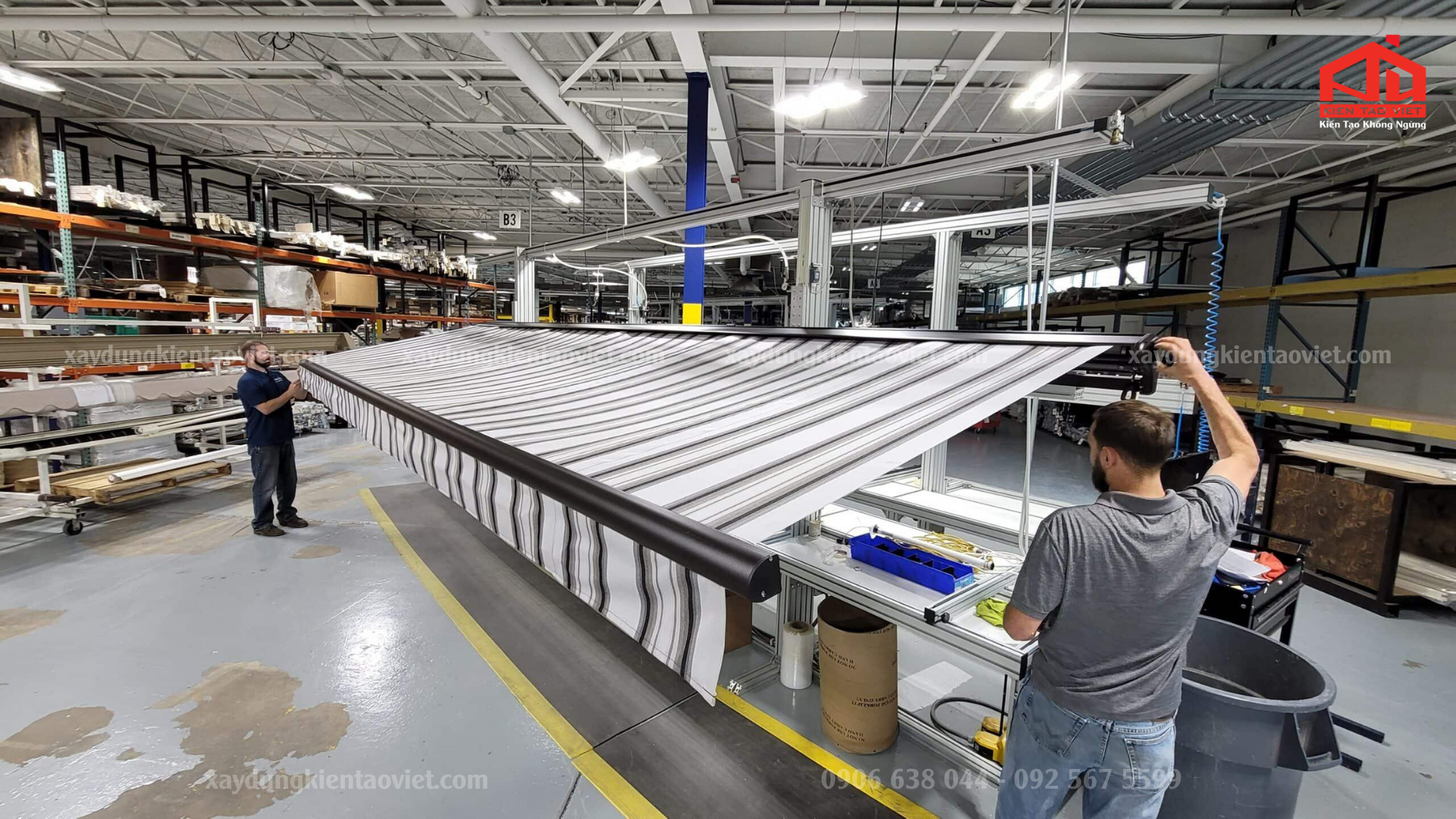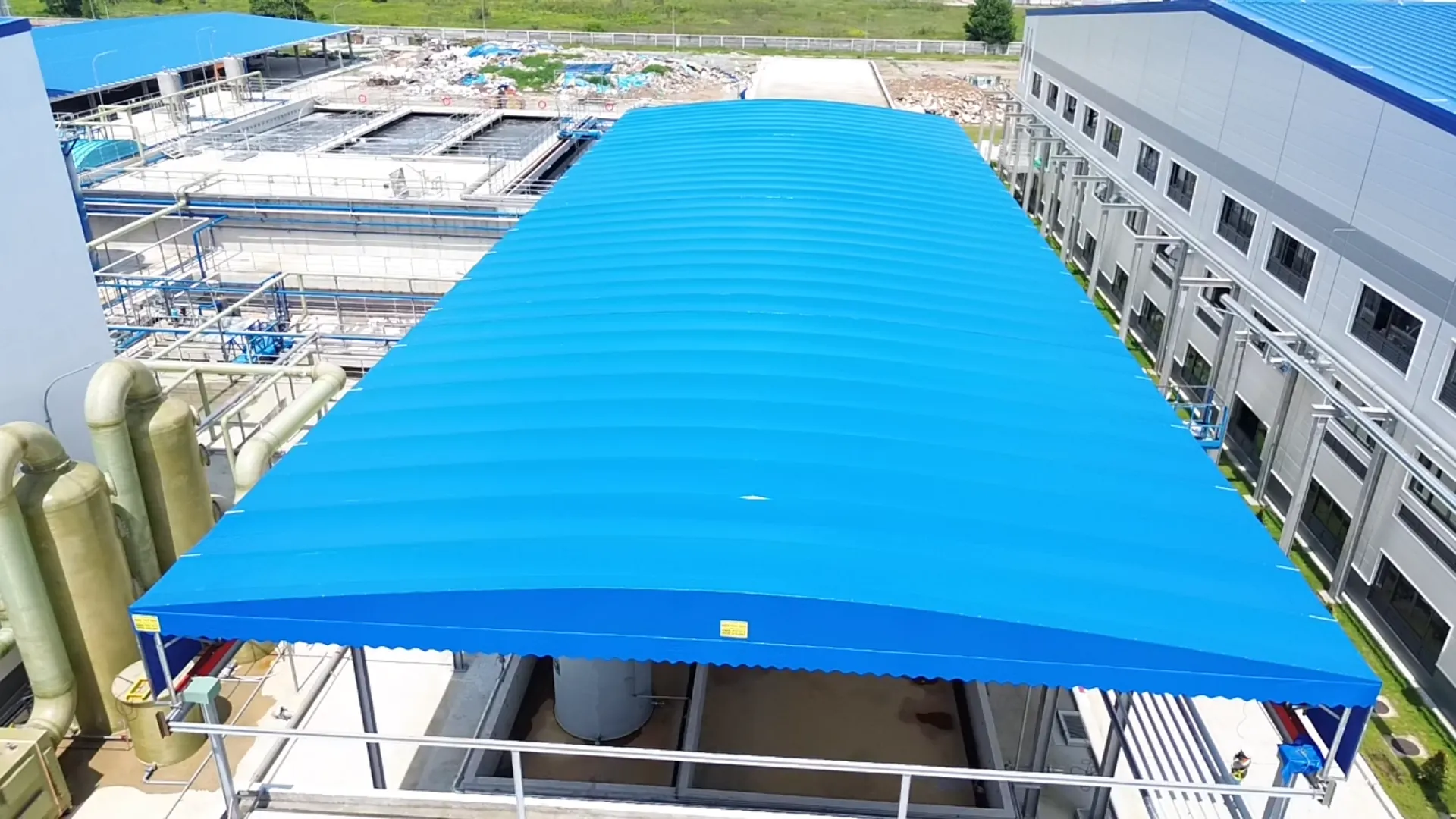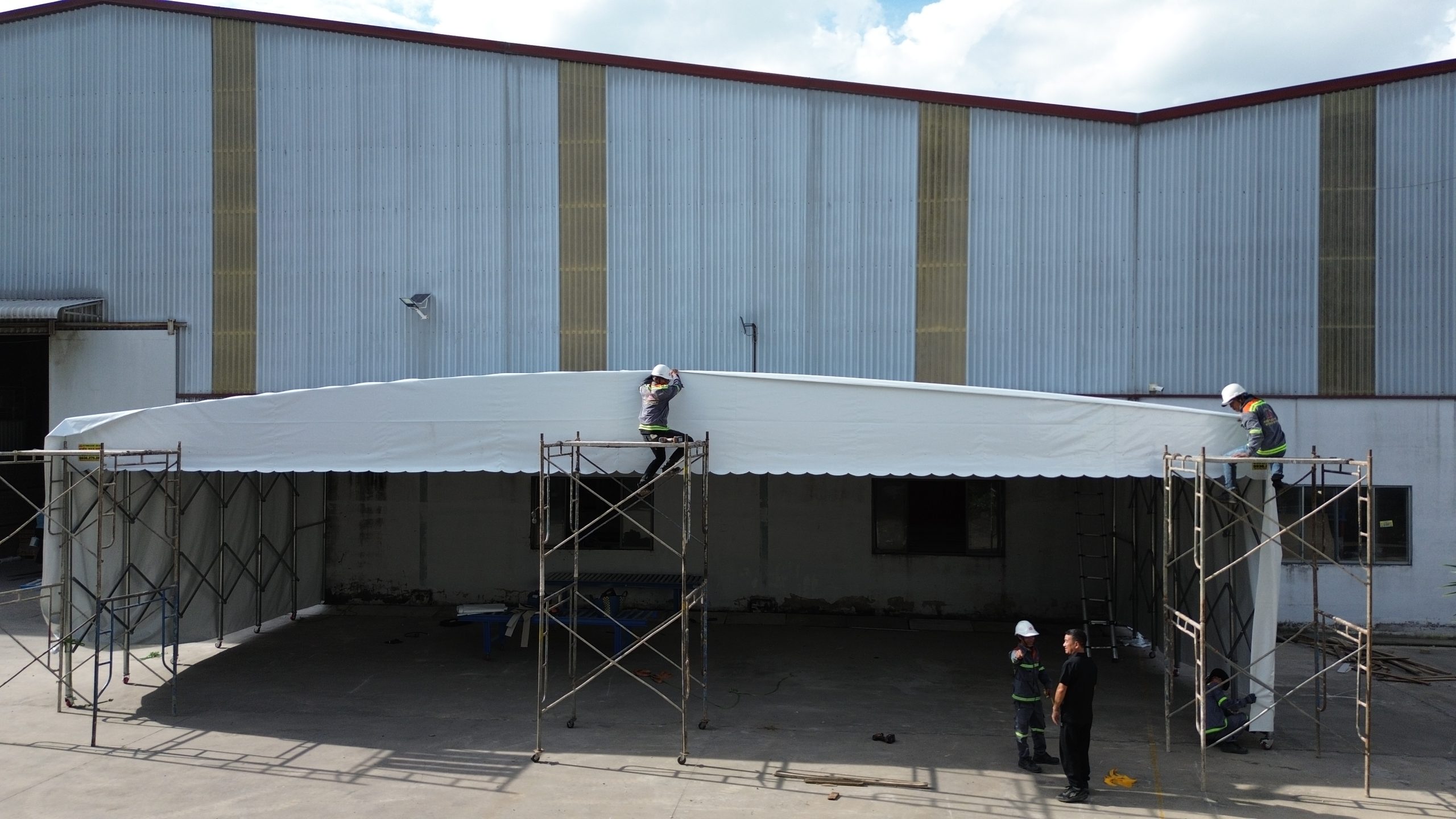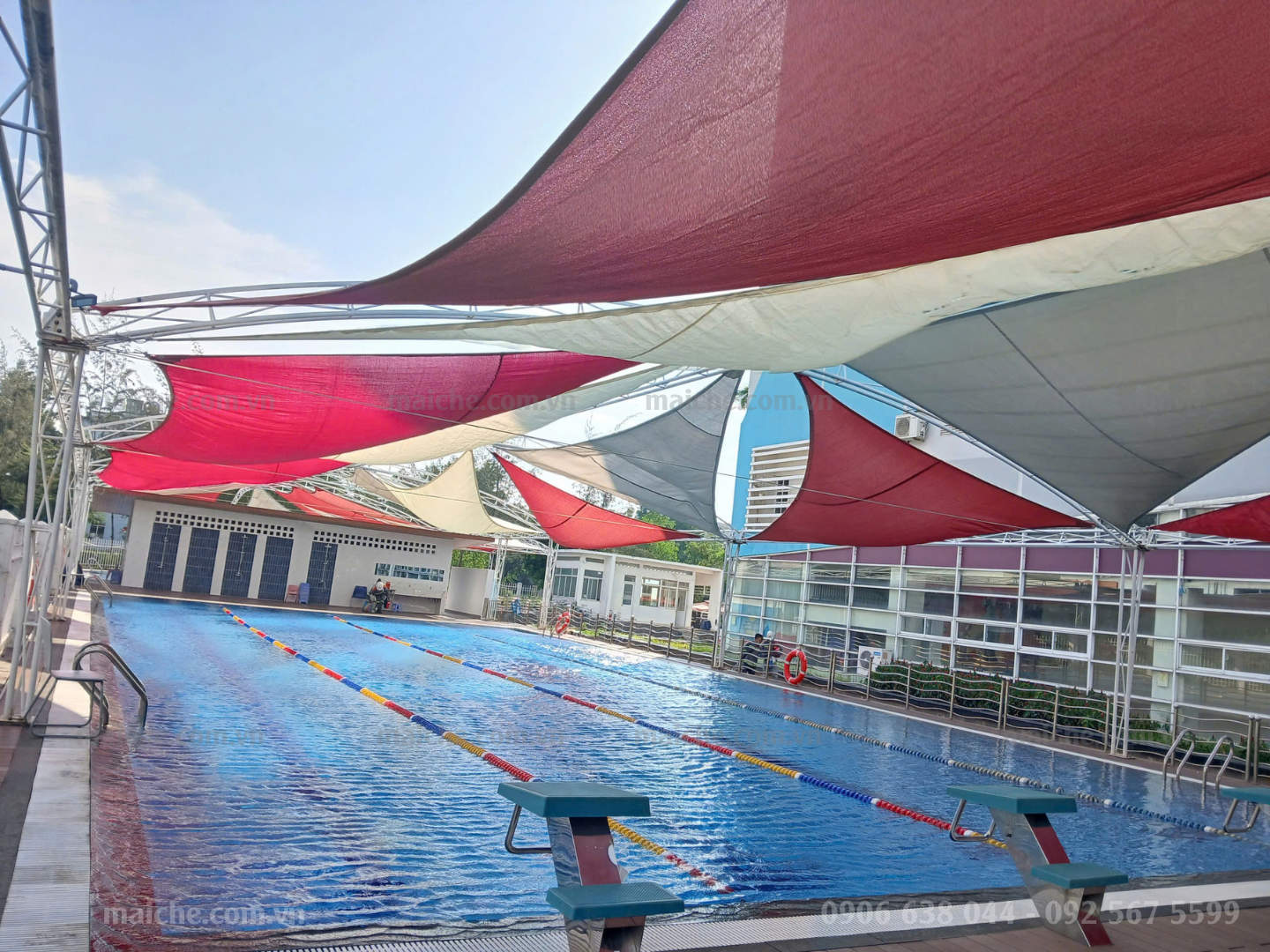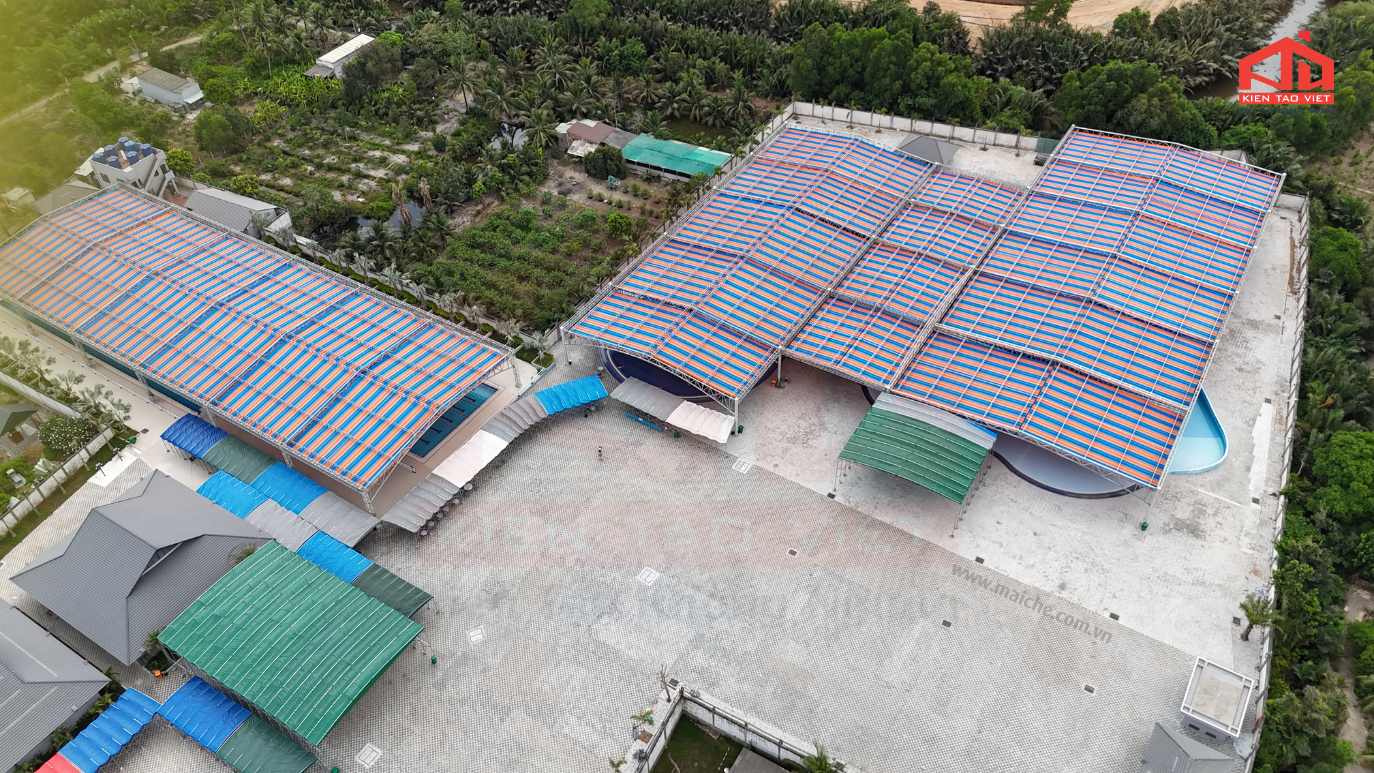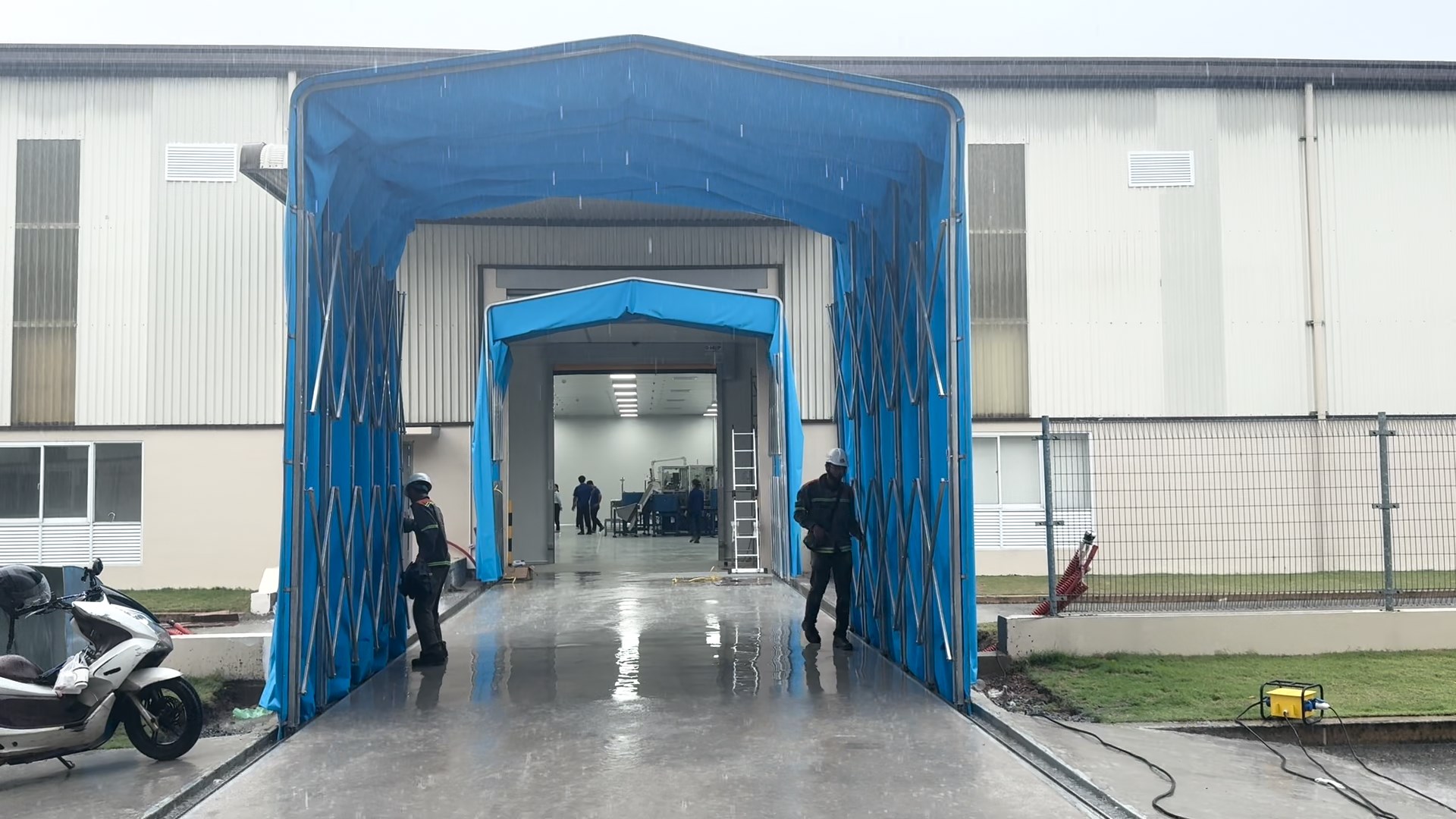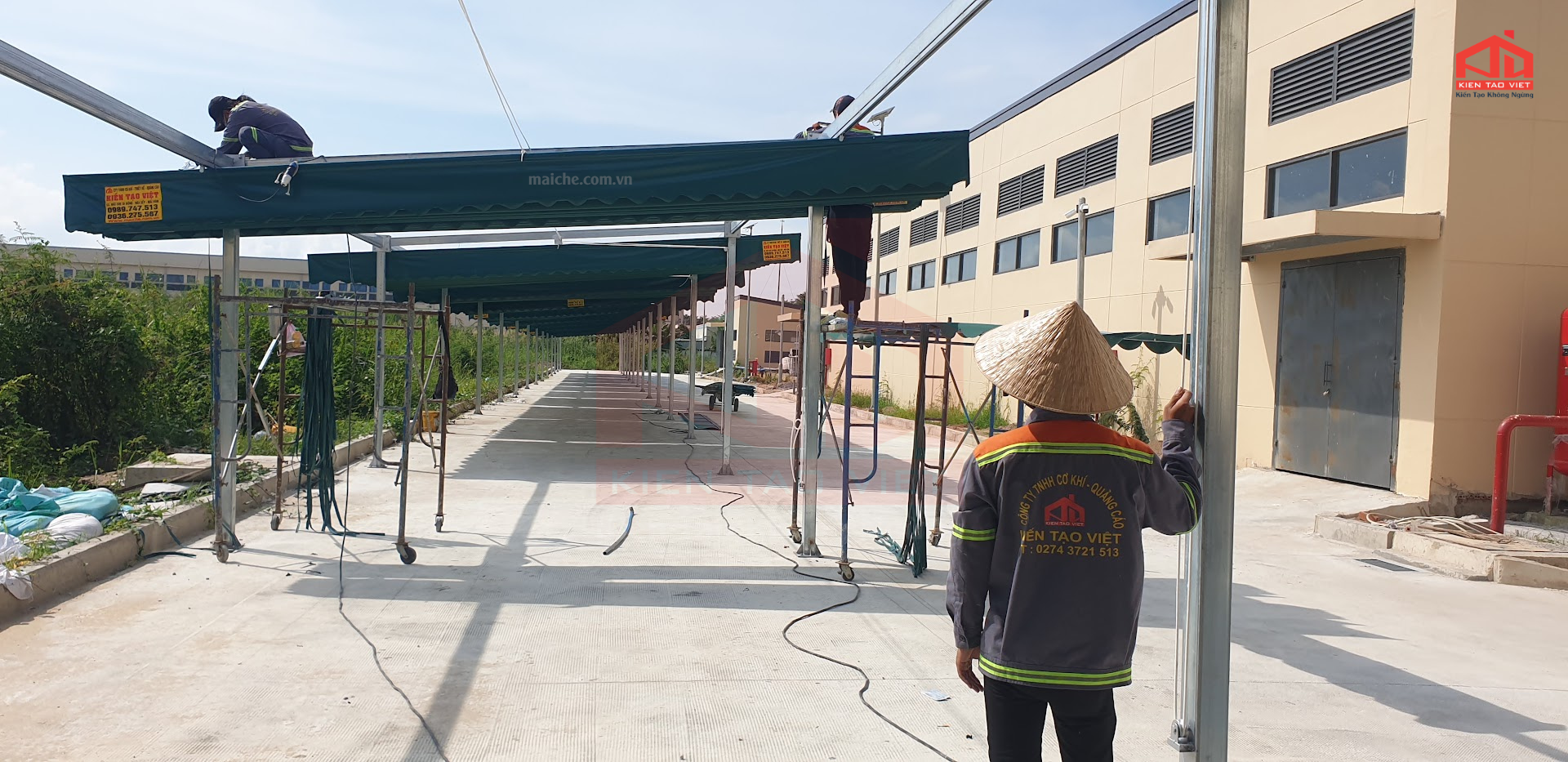
Installing a retractable dome canopy has become a preferred solution for many businesses seeking to protect production areas, warehouses, parking lots, sports courts, and loading or unloading zones. Beyond providing reliable protection against harsh weather conditions, a retractable dome canopy also enhances operational efficiency and creates a safer, more professional working environment.
However, many businesses focus primarily on the initial installation cost while overlooking critical technical considerations. As a result, after a period of use, issues such as difficult operation, misaligned guide rails, premature fabric deterioration, or structural inadequacies under actual weather conditions may arise. These problems not only increase maintenance and repair costs but can also disrupt daily operations and reduce overall productivity.
So, what should you consider before investing in a retractable dome canopy? Below are six essential factors that will help you choose the right system, ensuring long-term durability, reliable performance, and maximum value for your investment.
Why Is It Important to Understand the Key Considerations Before Installing a Retractable Dome Canopy?
Installing a retractable dome canopy is more than simply adding protection from sun and rain. It is a complete system consisting of a structural steel framework, roofing materials, guide rails, and an operating mechanism that work together as a single unit. Each component plays a vital role in determining the canopy’s structural strength, operational safety, service life, and long-term maintenance costs.
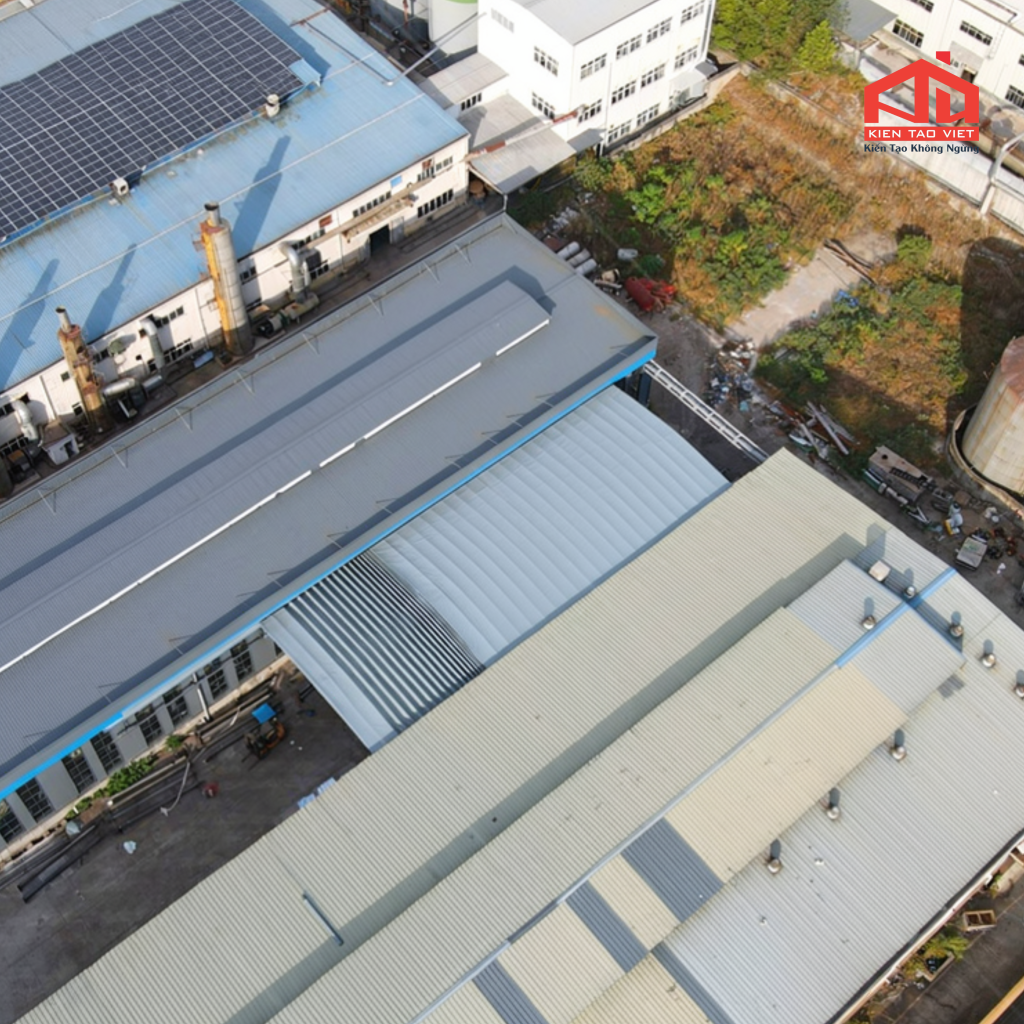
A well-designed and properly installed retractable dome canopy can provide reliable performance for many years, protecting valuable assets while supporting efficient day-to-day operations. Conversely, overlooking important technical factors during the planning stage may lead to premature wear, operational issues, increased maintenance expenses, and costly repairs. Therefore, understanding these key considerations before installation is essential to ensure a durable, safe, and cost-effective investment.
When a retractable dome canopy is properly surveyed, engineered, and installed from the outset, it can operate reliably for many years, helping businesses reduce maintenance costs and ensure uninterrupted production and logistics operations. On the other hand, selecting an unsuitable solution may result in frequent repairs, premature component replacement, or even a complete system upgrade after only a few years of use.
For this reason, understanding the key considerations before investing in a retractable dome canopy not only helps optimize your budget but also minimizes operational risks and maximizes the long-term return on investment.
Things You Need to Know Before Installing a Retractable Dome Canopy
1. Clearly Define Your Requirements Before Installation
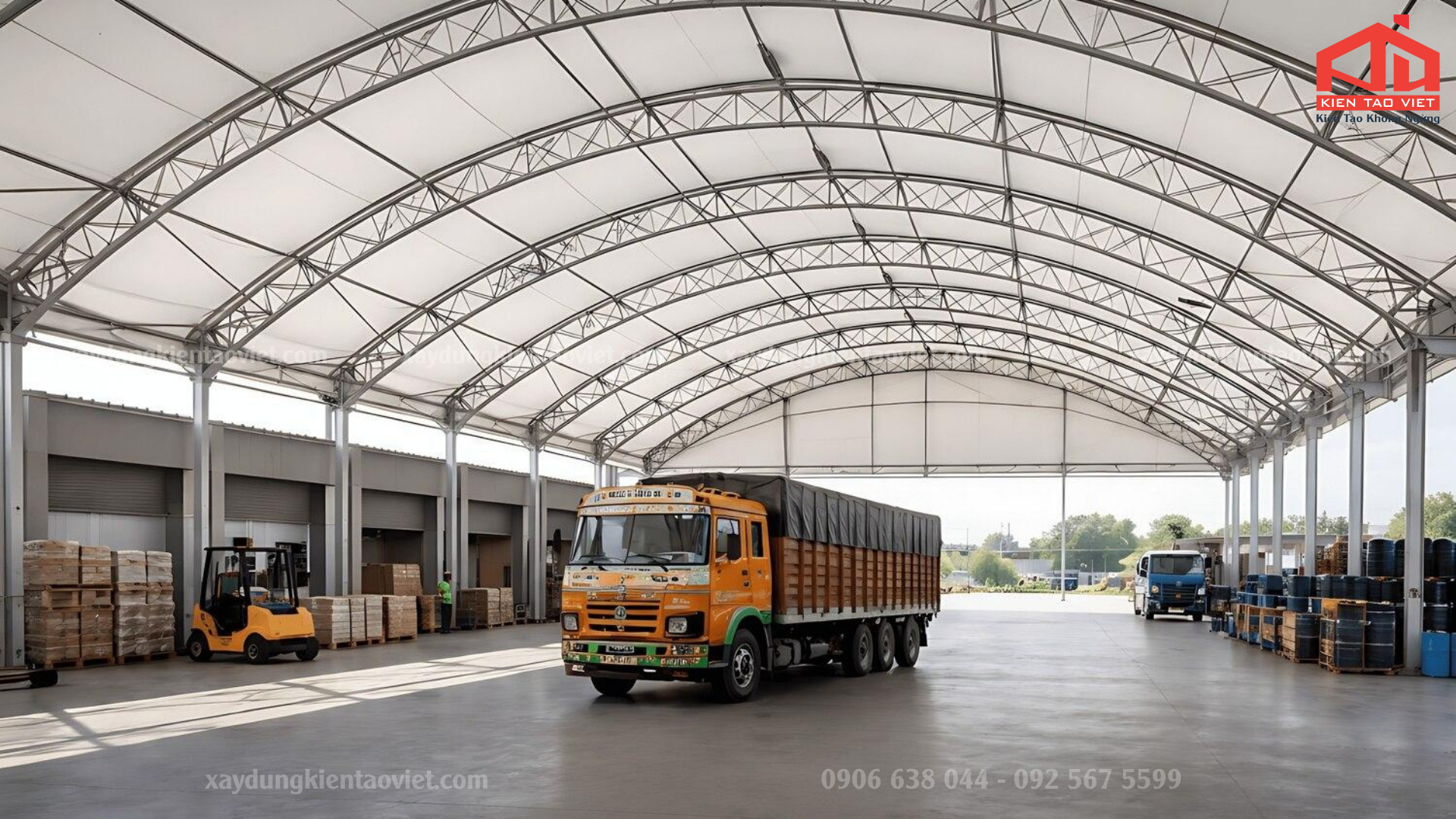
The first and most important step is to clearly identify how the canopy will be used. Unfortunately, this is also one of the most commonly overlooked aspects of the planning process. Every project serves a different purpose, whether it is covering a parking area, loading and unloading zone, warehouse, outdoor production space, or sports facility. Each application requires different specifications in terms of clear height, span, load-bearing capacity, and operating frequency.
For example, a logistics facility typically requires sufficient clearance for trucks and shipping containers to move freely, along with a canopy system capable of frequent opening and closing throughout the day. In contrast, a parking area may place greater emphasis on maximizing coverage while providing effective protection from sunlight and rain.
Failing to accurately define your operational needs can lead to selecting an inappropriate canopy system, reducing overall efficiency, increasing maintenance requirements, and creating unnecessary renovation costs in the future.
2. Conduct a Thorough Site Assessment
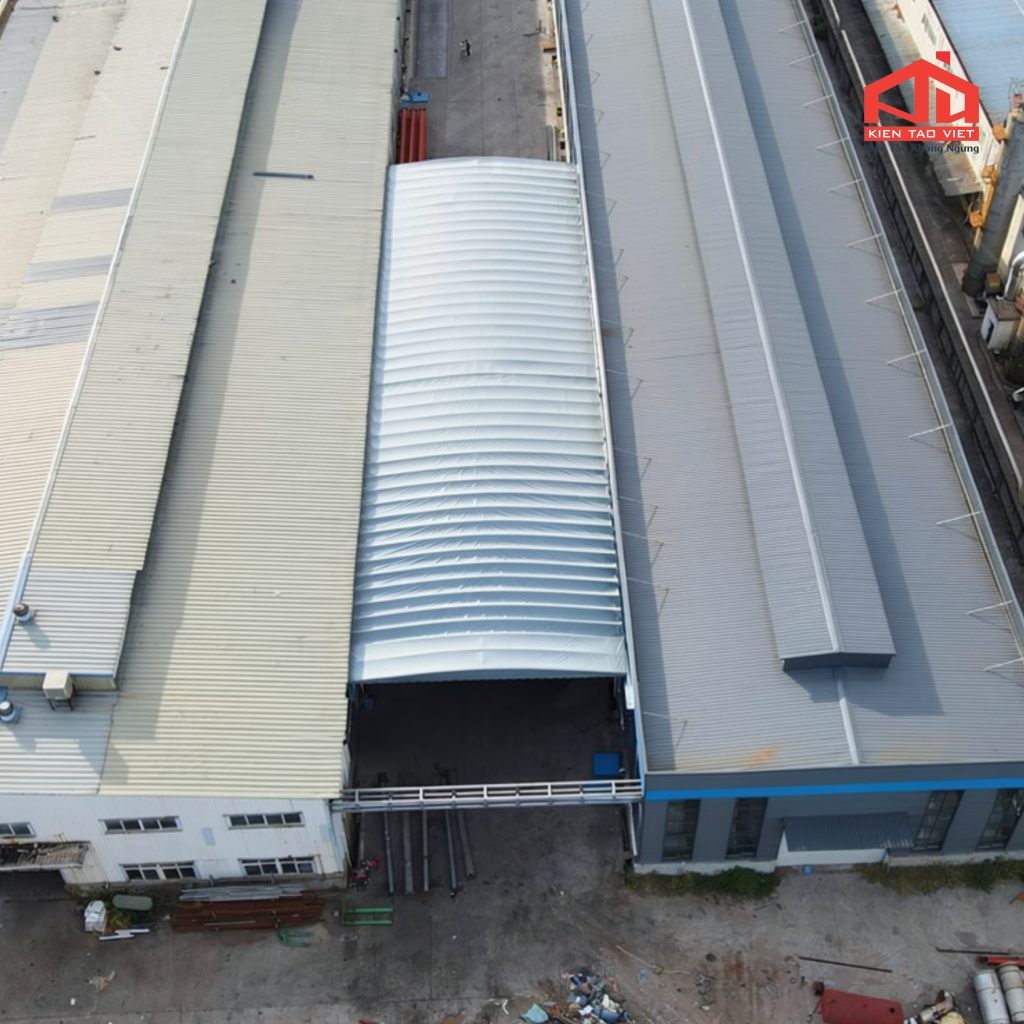
Every successful retractable dome canopy project begins with a comprehensive site survey. This process involves much more than measuring the installation area. It also includes evaluating key factors that influence the canopy’s design and performance, such as foundation conditions, required clearance height, wind direction, sun exposure, drainage capacity, and surrounding structures.
For example, projects located in areas exposed to strong winds require a structural steel framework designed to withstand higher wind loads. Likewise, regions with frequent or heavy rainfall need an appropriate roof slope and an efficient drainage system to prevent water accumulation, which can increase structural stress and shorten the canopy’s service life.
The more detailed the site assessment, the more accurate the engineering design will be. This helps minimize unexpected modifications, avoid additional construction costs, and ensure reliable long-term performance.
>> Read More: Professional Retractable Dome Canopy Installation in Binh Duong
3. Choose the Right Materials and Structural Design
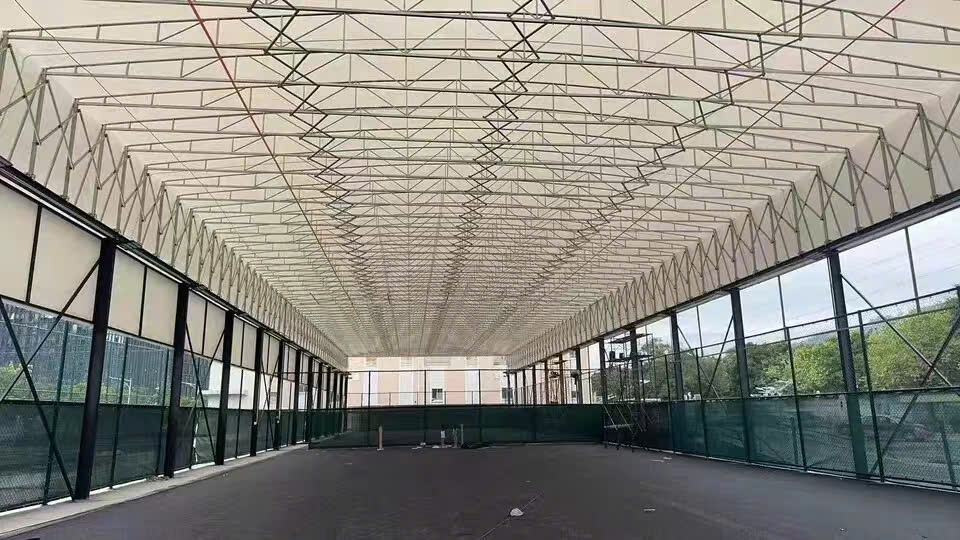
The durability and performance of a retractable dome canopy largely depend on the quality of its materials and structural design. The steel framework should be engineered according to the required span, load-bearing capacity, and local environmental conditions, while receiving appropriate anti-corrosion treatment to ensure long-term durability.
Equally important is the canopy fabric. It should provide excellent UV resistance, waterproof performance, high tensile strength, and color stability to withstand prolonged outdoor exposure. In addition, the guide rails and wheel system must be designed to support the required load while ensuring smooth, stable operation over years of continuous use.
Although two canopy systems may appear nearly identical, their service life can vary significantly due to differences in material quality, structural engineering, and installation standards. Therefore, businesses should evaluate technical specifications, material quality, and manufacturer reliability rather than making decisions based solely on price.
4. Choose an Operating System That Matches Your Usage Requirements
Retractable dome canopies are typically available with two operating options: manual operation and motorized operation.
For smaller installations or projects with low operating frequency, a manual system is often a practical and cost-effective solution. However, factories, logistics centers, warehouses, and loading or unloading areas usually benefit more from a motorized system, which enables fast and effortless opening and closing while reducing manual labor and improving operational efficiency.
Selecting the right operating system based on your daily usage requirements helps ensure smooth, reliable performance, extends the lifespan of the canopy system, and maximizes the value of your investment.
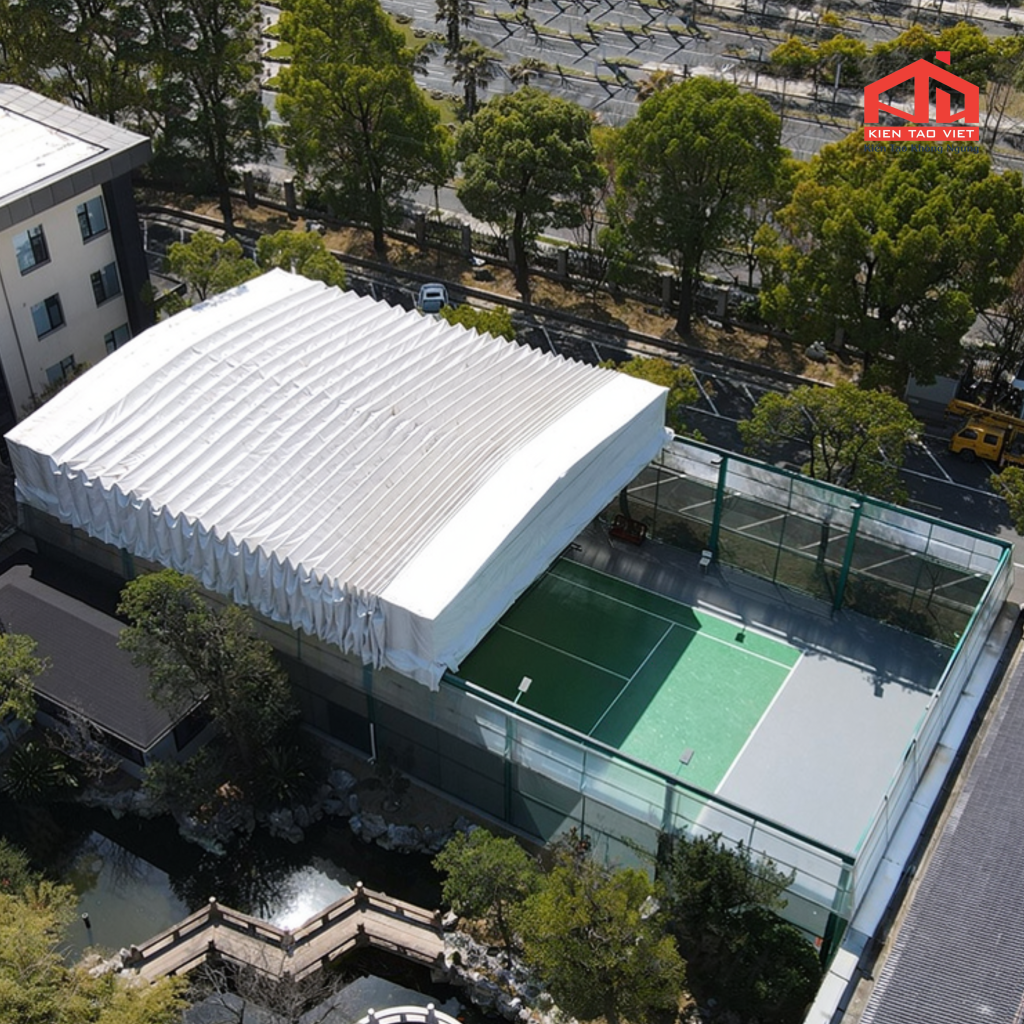
5. Don’t Focus Solely on Price—Evaluate the Total Cost of Ownership
One of the most common mistakes businesses make is choosing a retractable dome canopy based solely on the lowest quotation. A lower upfront price does not necessarily mean lower overall costs, especially if the system requires frequent repairs or major component replacements after only a few years of operation.
When evaluating a retractable dome canopy project, it is important to consider the total cost of ownership, including the initial investment, maintenance expenses, repair costs, and expected service life.
A high-quality canopy system may require a larger initial investment, but it often delivers superior durability, fewer operational issues, and significantly lower maintenance costs over the long term. This lifecycle cost approach has become a preferred investment strategy for many manufacturers, logistics companies, and industrial facilities seeking long-term value rather than short-term savings.
6. Choose a Reputable and Experienced Installation Contractor
In addition to selecting high-quality materials and an appropriate structural design, the expertise of the installation contractor plays a critical role in the overall quality and performance of a retractable dome canopy system. An experienced contractor will conduct a thorough site assessment, perform accurate structural calculations, recommend suitable materials, and follow industry best practices throughout the installation process.
Businesses should also consider the contractor’s warranty coverage, preventive maintenance services, and post-installation technical support. Reliable after-sales service helps ensure the canopy continues to operate efficiently and allows any potential issues to be addressed quickly, minimizing downtime and maintenance costs.
Rather than choosing a contractor based solely on the lowest price, it is advisable to work with a company that has a proven track record, a strong portfolio of completed projects, transparent engineering capabilities, and a professional project management process. Investing in an experienced contractor from the beginning is one of the most effective ways to ensure a durable, safe, and cost-efficient retractable dome canopy solution.
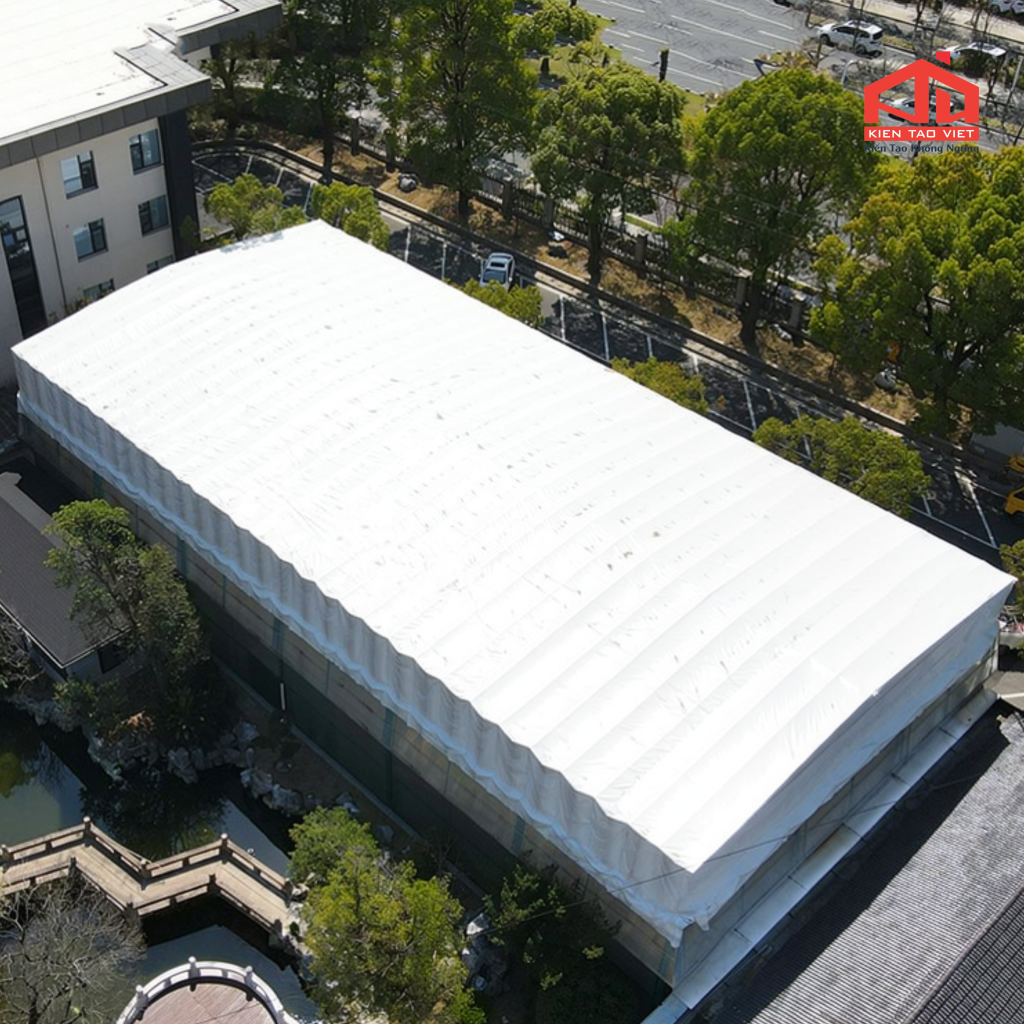
5 Common Mistakes Businesses Make When Installing a Retractable Dome Canopy
Based on practical experience in consultation and installation, many businesses make avoidable mistakes that can negatively impact the performance and lifespan of their retractable dome canopy systems. These common mistakes include choosing the lowest quotation without evaluating material quality, skipping a thorough site assessment before design, selecting a structural system that does not match the actual operating conditions, neglecting regular maintenance, or working with an inexperienced contractor.
While these decisions may reduce the initial investment, they often result in higher maintenance expenses, premature repairs, reduced service life, and lower operational efficiency over time. Taking a long-term approach when planning your project will help maximize your return on investment and ensure reliable performance for years to come.
>> Read More: Shelter Solutions with Retractable Dome Canopies in Binh Duong
Conclusion
A high-quality retractable dome canopy is more than just a shelter from sun and rain—it is a long-term investment that protects valuable assets, supports uninterrupted operations, and enhances the overall value of your facility. To achieve the best results, businesses should carefully assess their operational requirements, conduct a comprehensive site survey, select high-quality materials, choose an appropriate operating system, and partner with an experienced installation contractor.
Investing in the right solution from the beginning is always more cost-effective than dealing with repairs, upgrades, or premature replacement later. If you are planning to install a retractable dome canopy for a factory, warehouse, logistics center, or other industrial facility, consulting with an experienced specialist will help you identify the most suitable solution tailored to your specific operational needs.