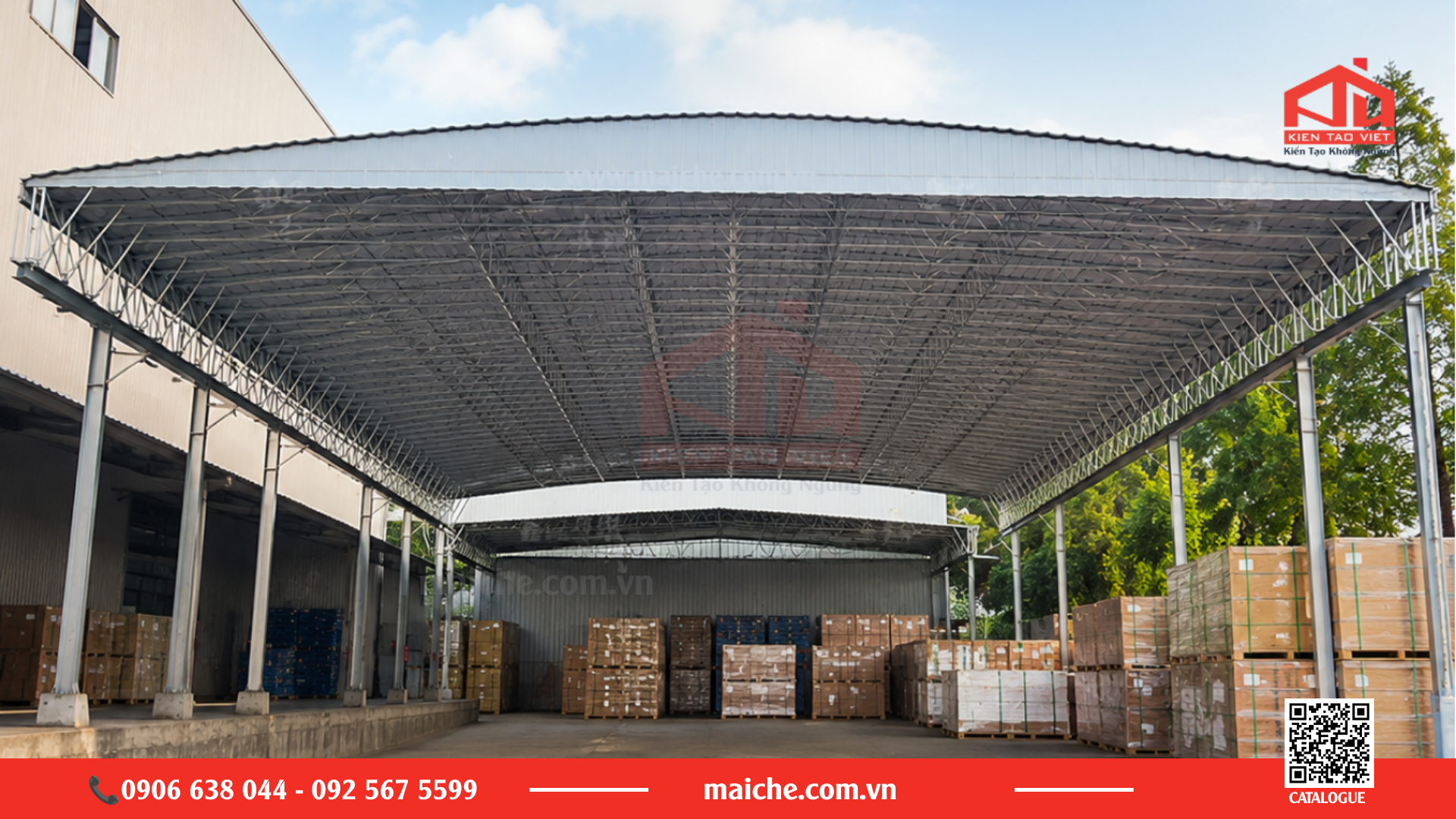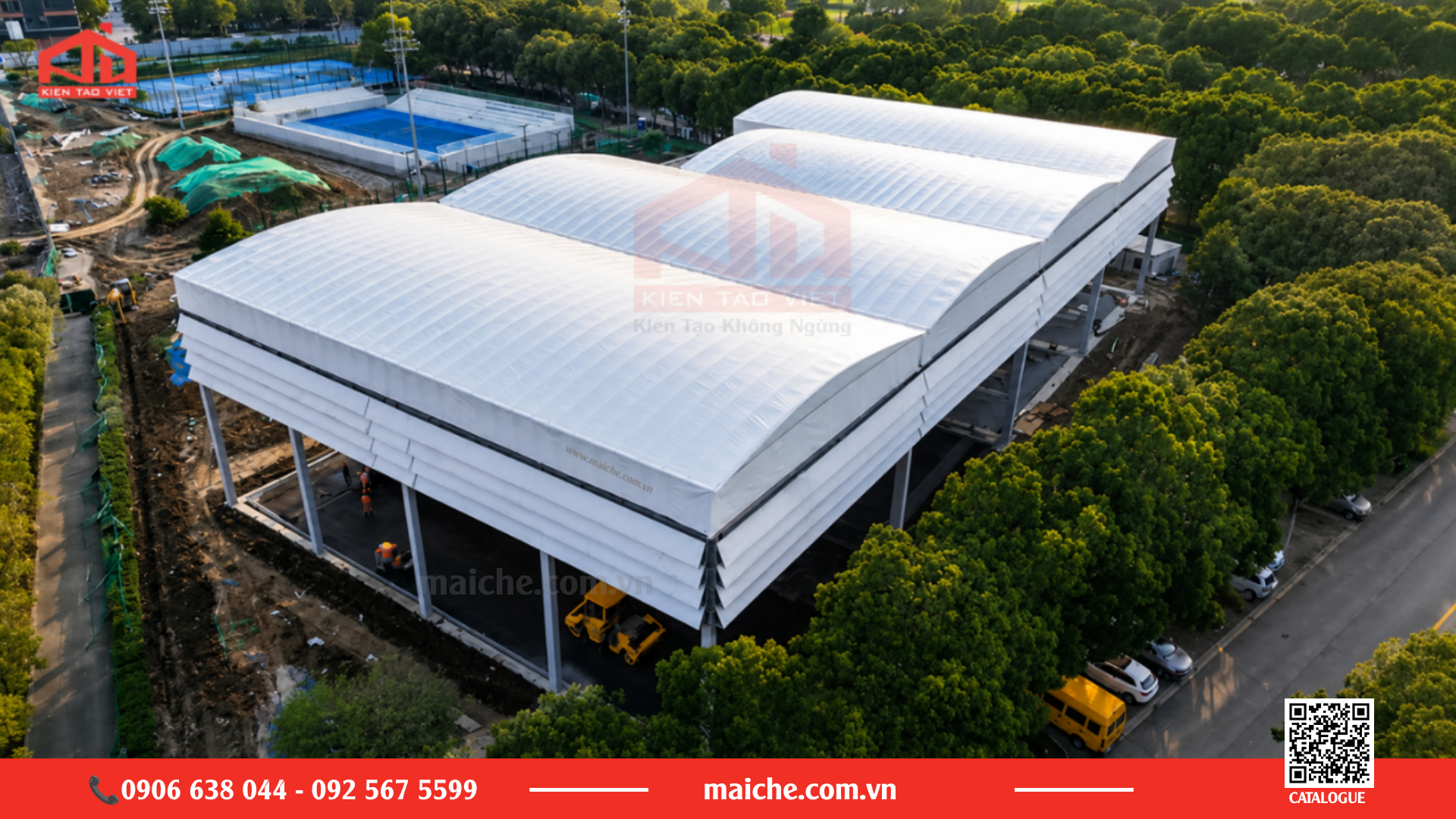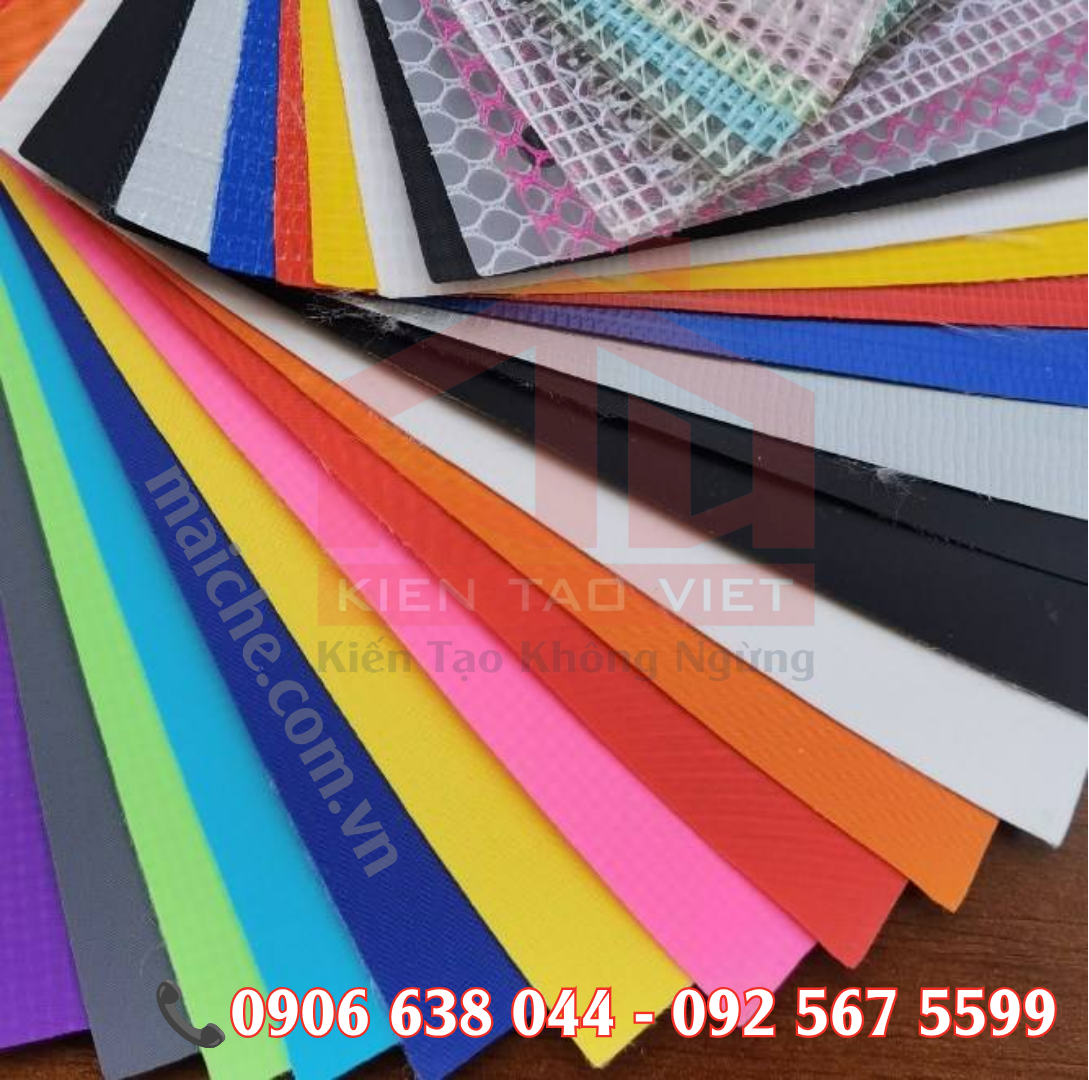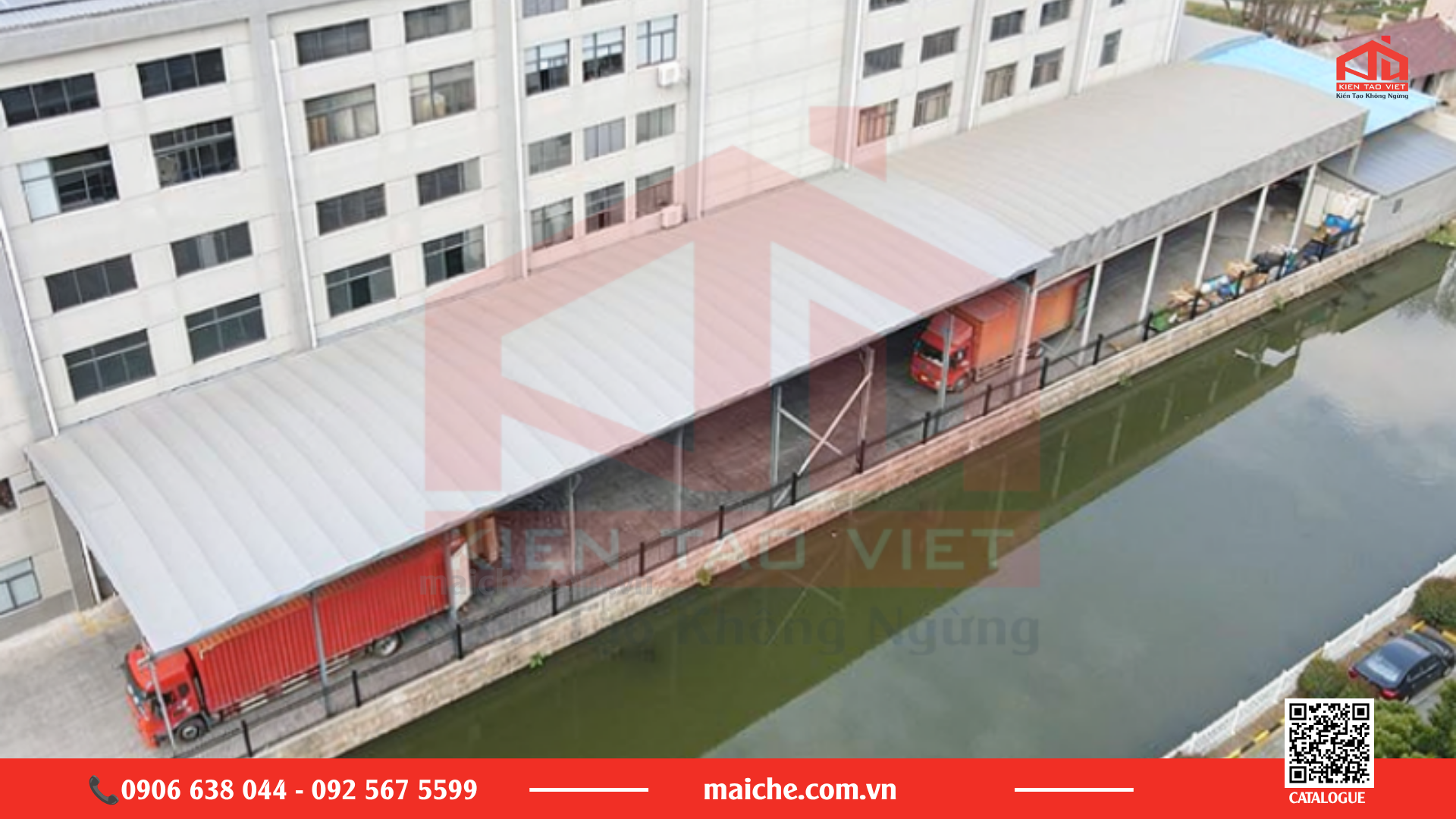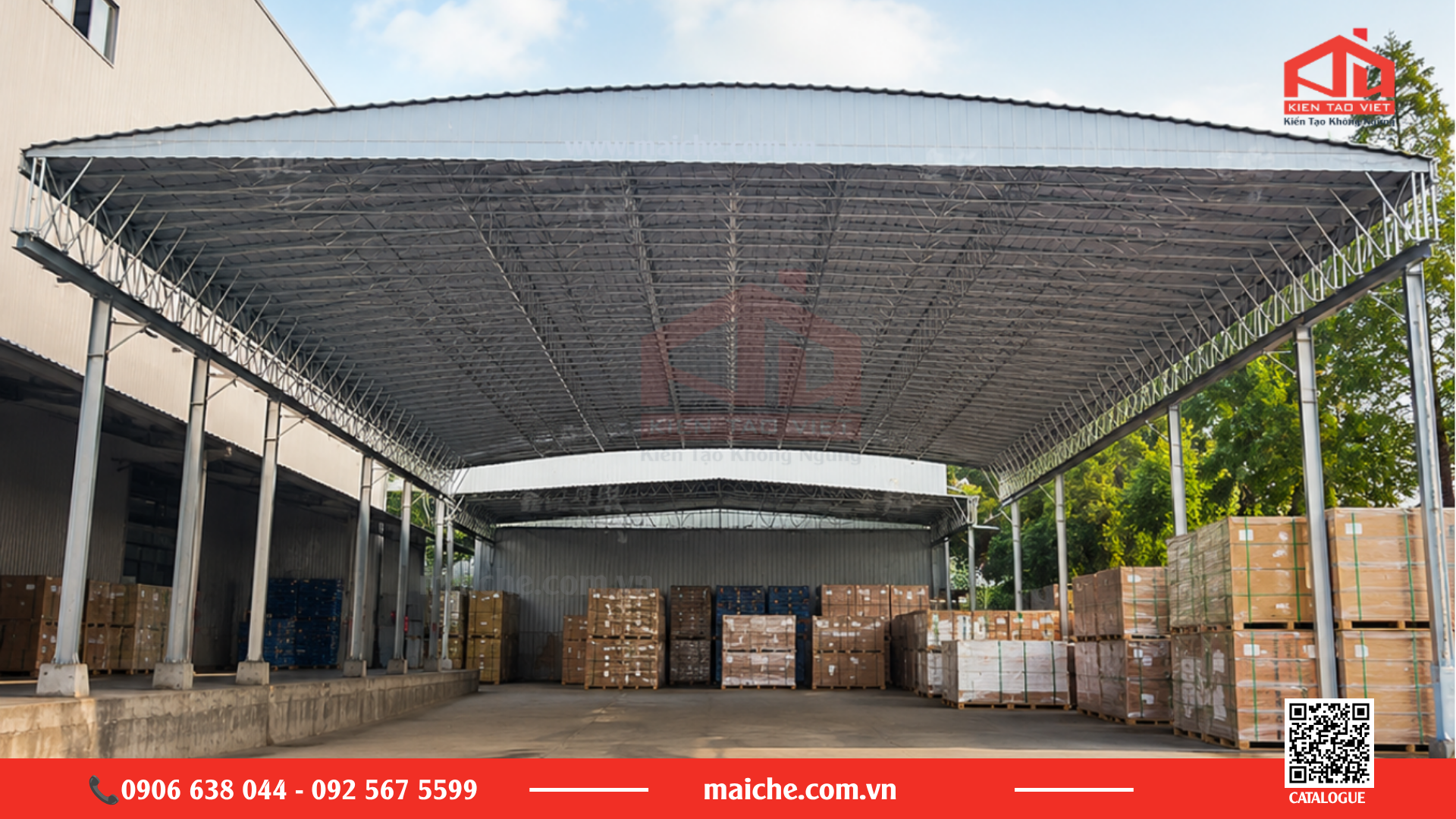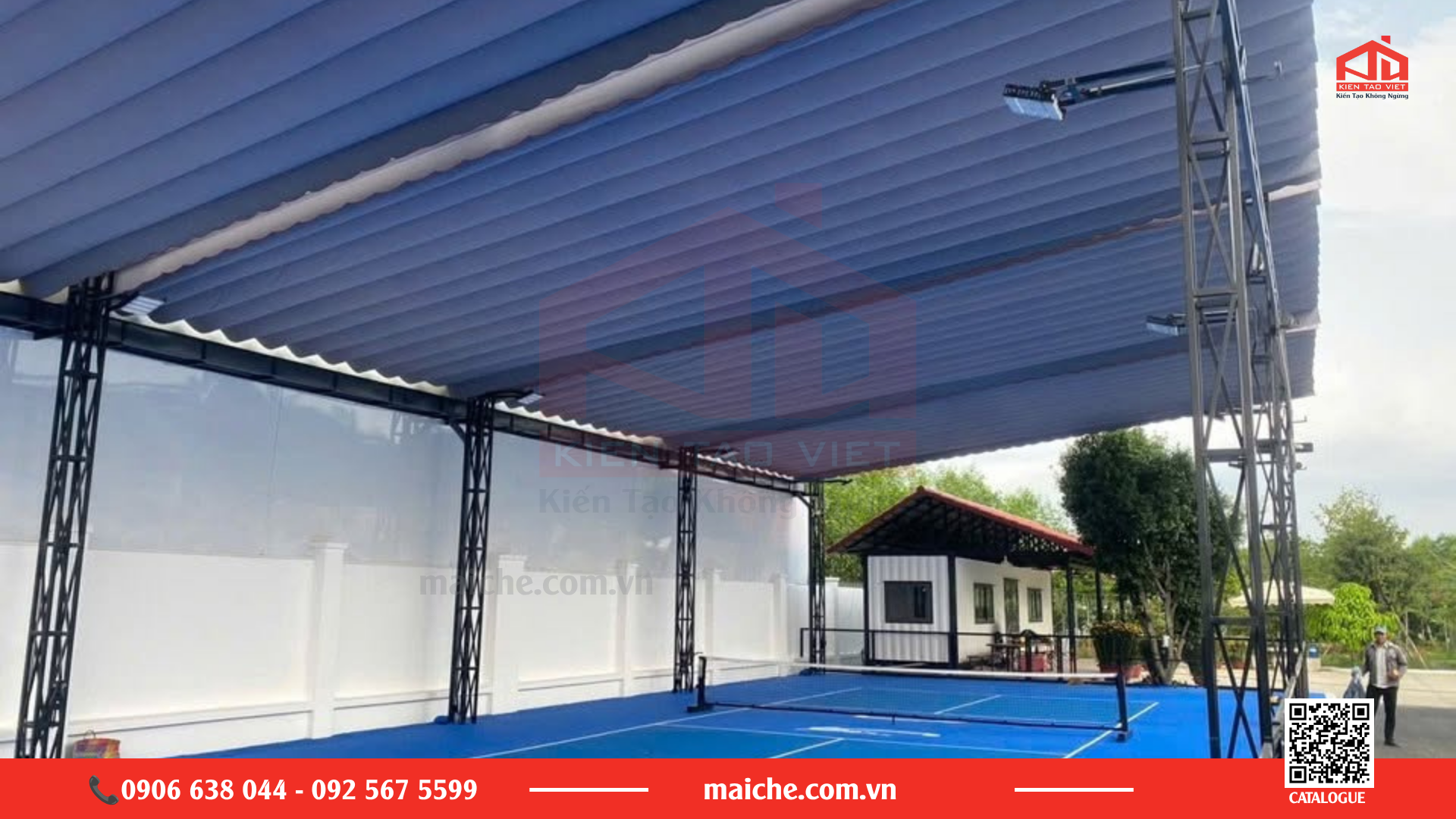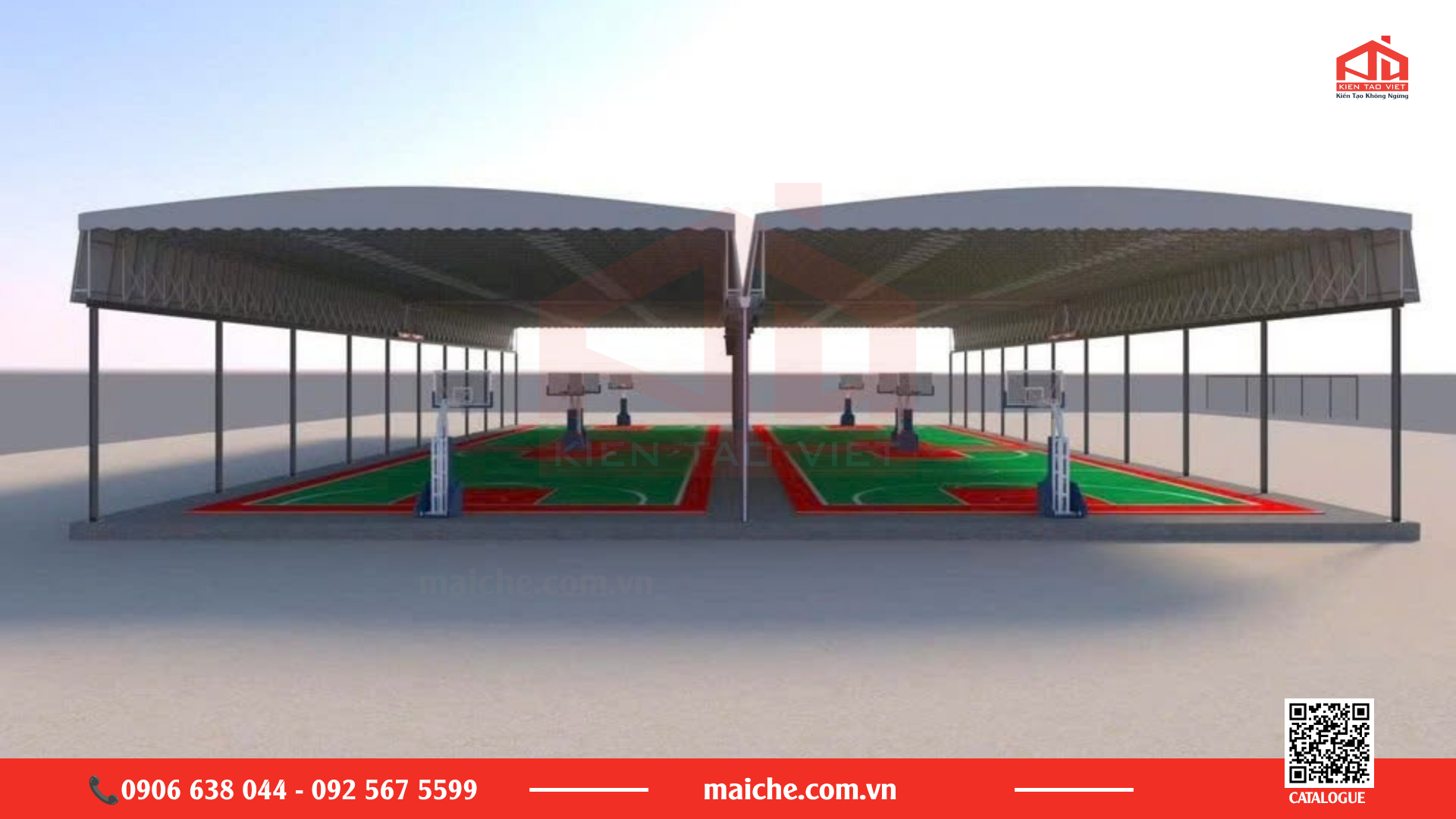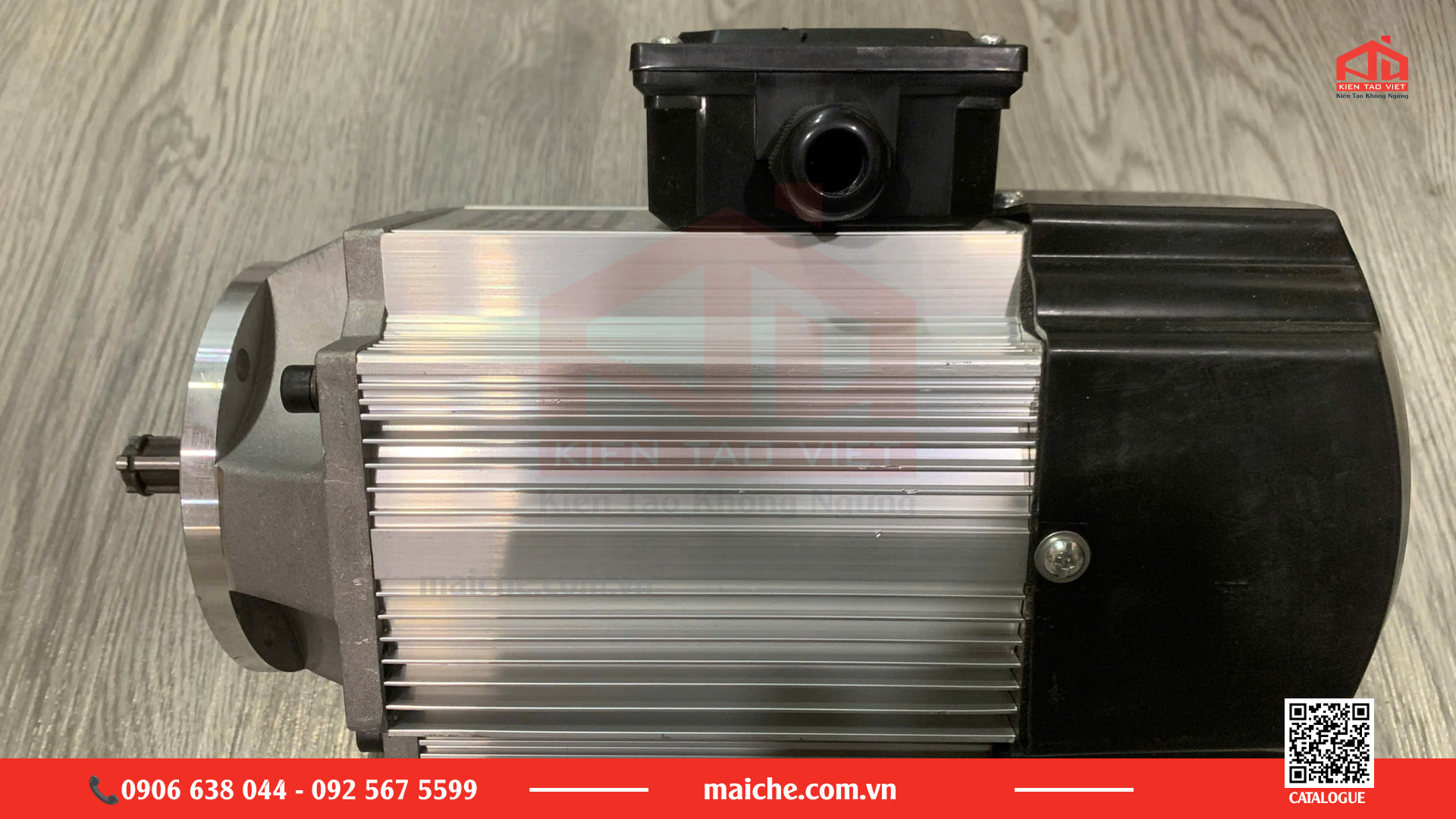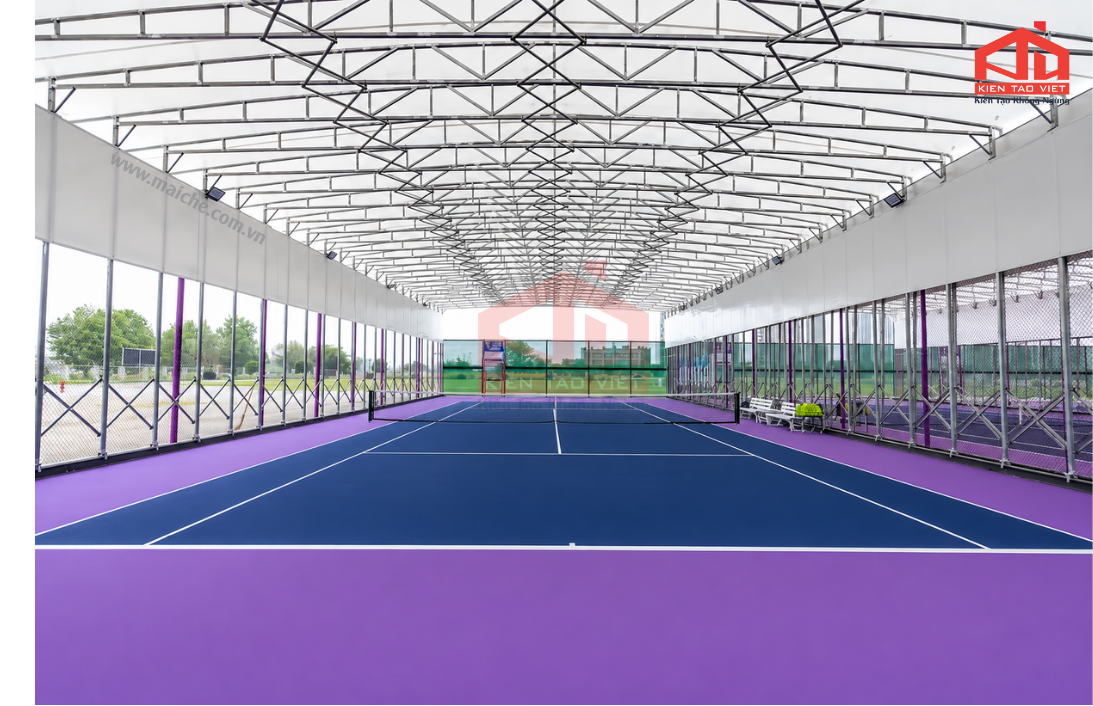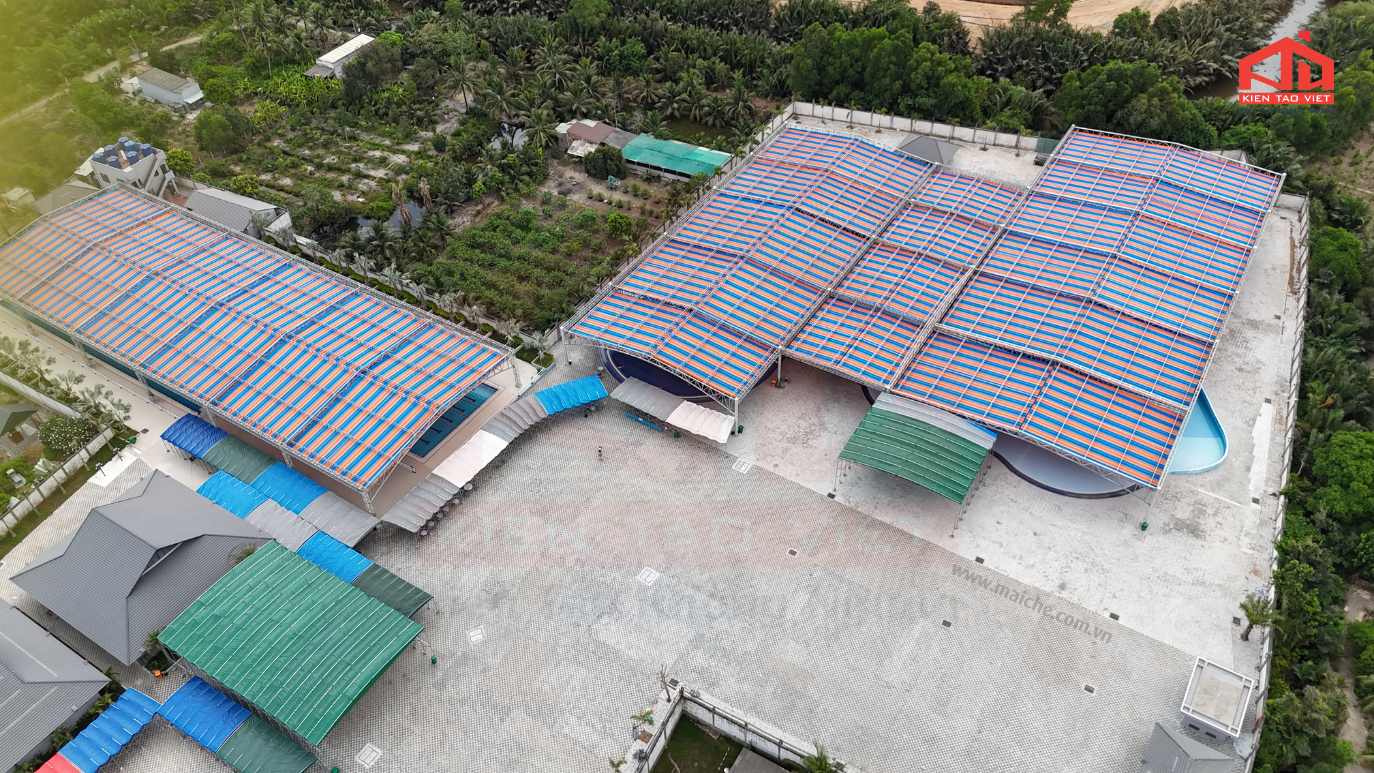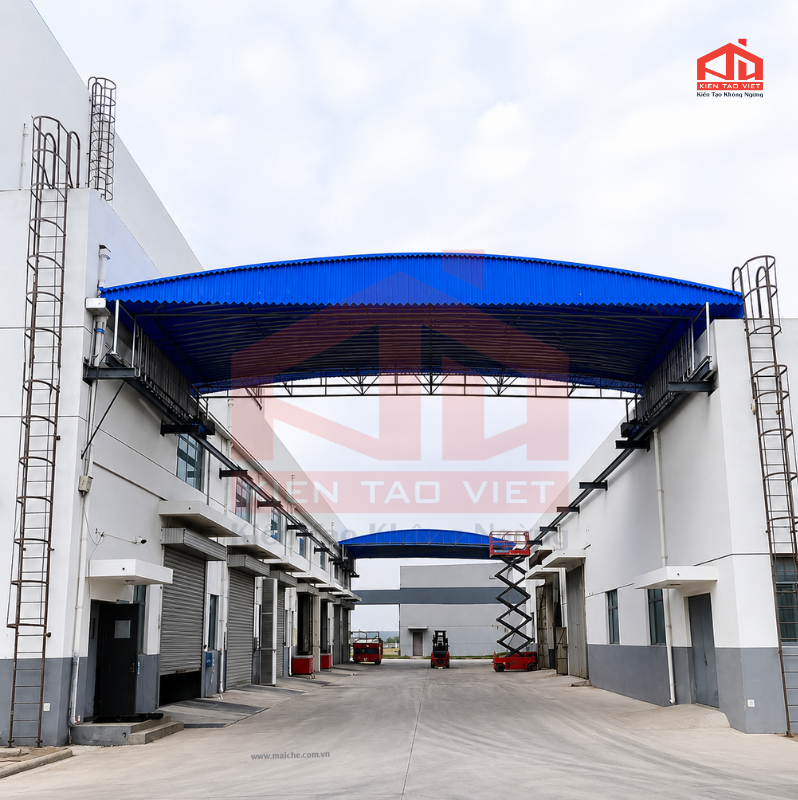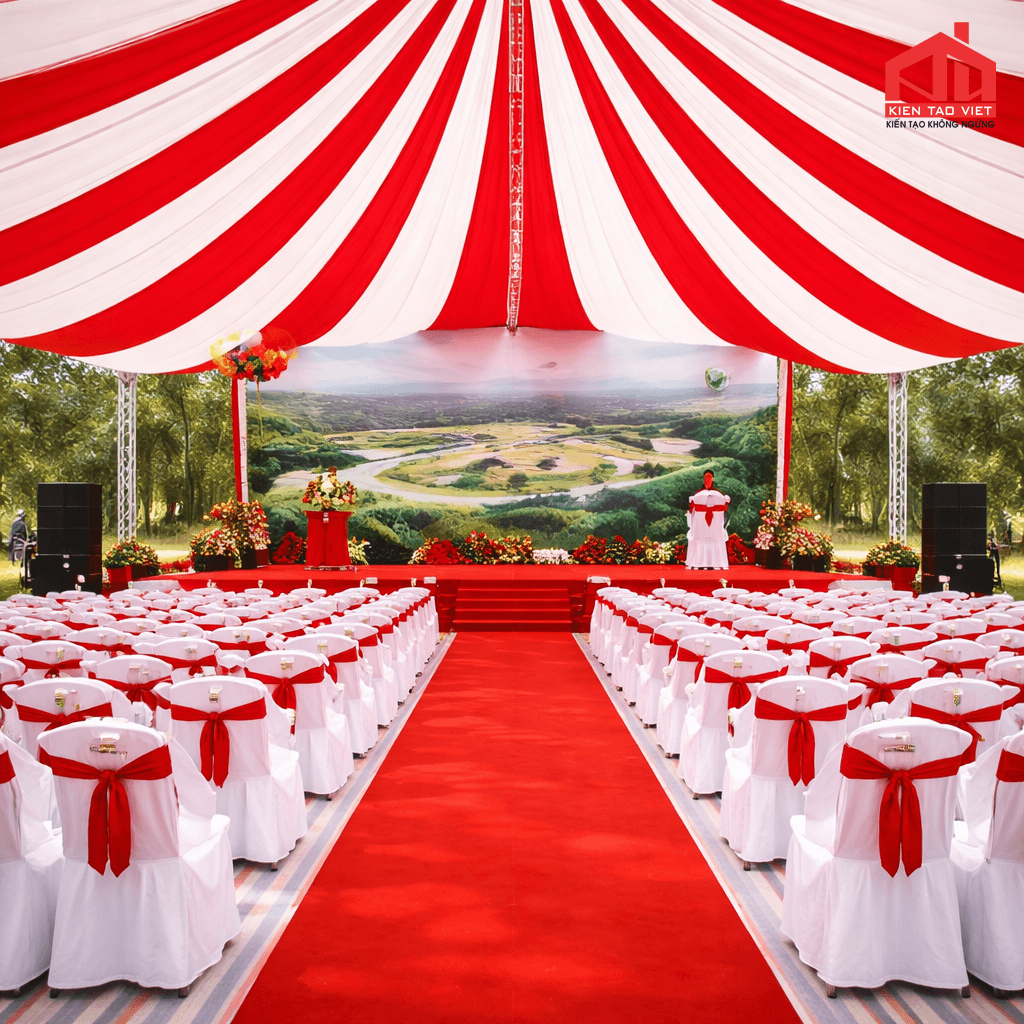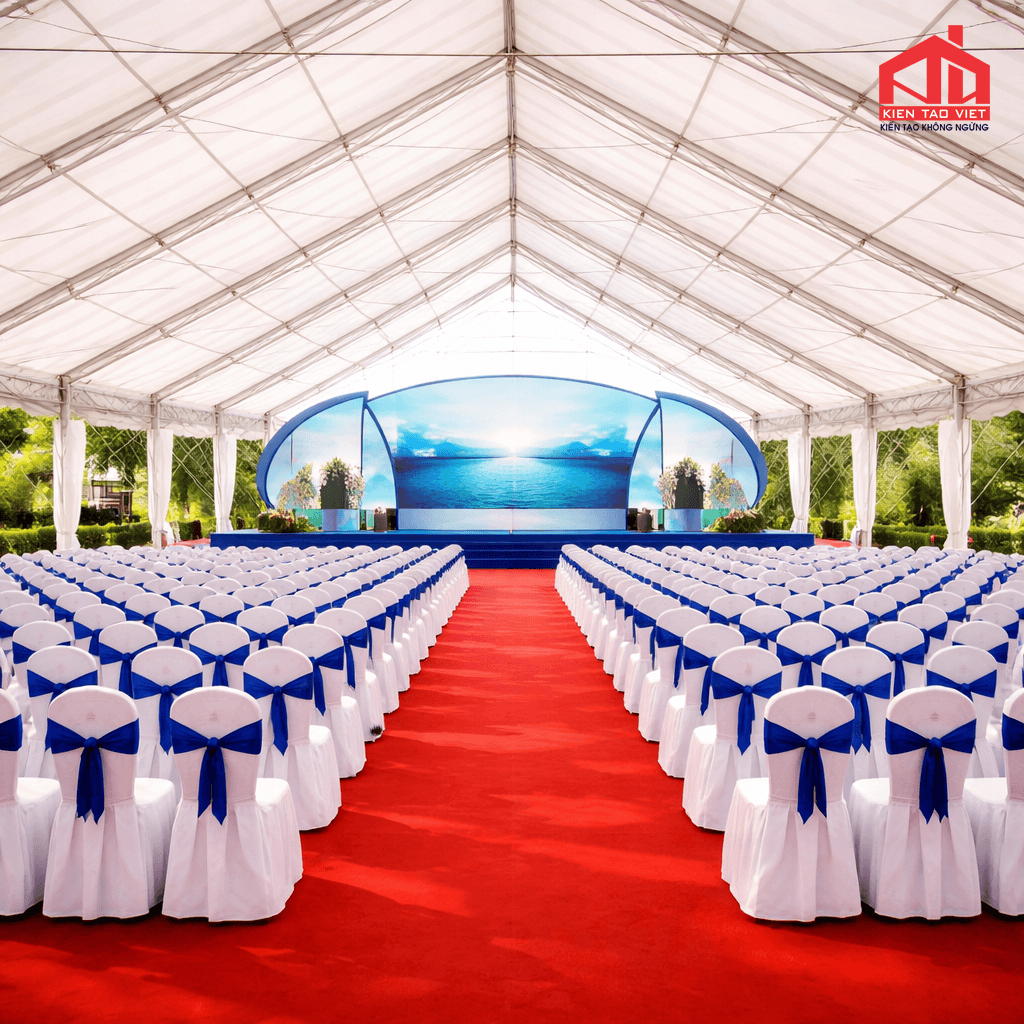
Motorized retractable dome canopies have become an increasingly popular solution for expanding usable space in factories, warehouses, sports facilities, and outdoor commercial areas. Their flexible opening and closing mechanism, cost-effective investment, and fast installation process make them an attractive choice for businesses seeking additional covered space without constructing permanent buildings.
However, to ensure stable operation, safety, and maximum service life, regular maintenance of a motorized retractable dome canopy is essential.
Many investors focus primarily on material quality and initial installation costs while overlooking maintenance requirements after the system is put into operation. In practice, a retractable dome canopy that follows a proper maintenance schedule can achieve a service life that is 30% to 50% longer than a system that is not regularly inspected and maintained.
So, which components should be inspected? How often should maintenance be performed? What warning signs indicate that the canopy system is beginning to deteriorate? Let’s explore these important topics with Kien Tao Viet in the article below.
Why Is Regular Maintenance Important for a Motorized Retractable Dome Canopy?
A motorized retractable dome canopy consists of multiple structural and mechanical components that operate continuously under environmental conditions such as sunlight, rain, wind, dust, humidity, and temperature fluctuations.
According to practical observations from industrial canopy projects, more than 80% of operational issues are caused by a lack of routine maintenance. Common problems include:
- Sliding rail systems becoming clogged with dust, debris, or experiencing deformation.
- Load-bearing wheels wearing out and losing smooth movement.
- Loose bolts and structural fasteners.
- Corrosion and rust on steel framework components.
- PVC canopy fabric sagging or accumulating standing water.
In contrast, annual maintenance costs typically account for only 1% to 3% of the total investment value. This relatively small expense can help businesses avoid costly repairs and save tens of millions of Vietnamese Dong in future maintenance and replacement costs.
Regular inspections not only extend the lifespan of the canopy system but also ensure safe operation, maintain structural integrity, and maximize the return on investment for businesses over the long term.
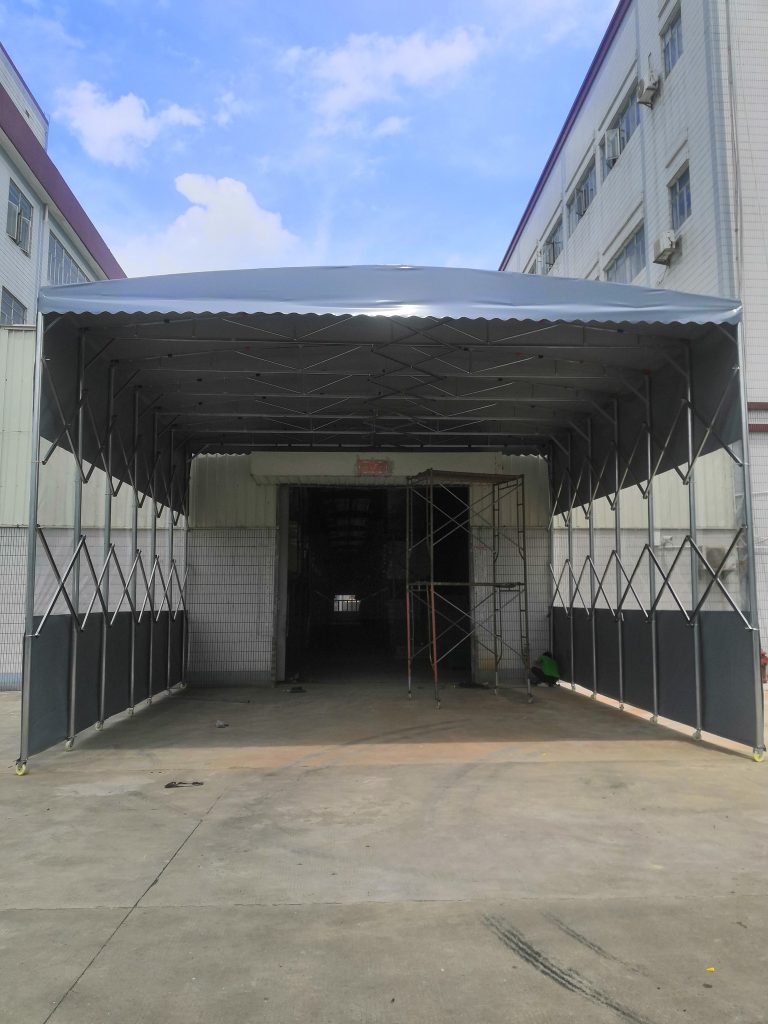
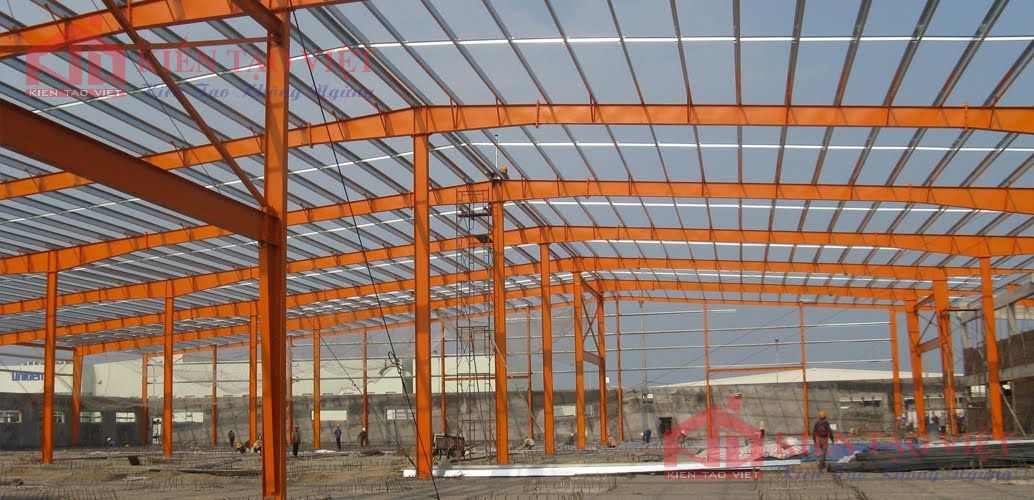
Inspection and Maintenance of the Load-Bearing Steel Structure
The steel framework is the primary structural component responsible for supporting the entire load of the canopy system.
Depending on the size and design requirements of the retractable dome canopy, the framework may be fabricated using:
- 50 × 100 mm rectangular steel tubing
- 100 × 100 mm square steel tubing
- 100 × 200 mm rectangular steel tubing
- I-beams or H-beams for larger structural spans
For industrial retractable dome canopy projects with large spans ranging from 10 to 20 meters, the total weight of the steel structure can reach tens of tons, depending on the canopy dimensions, design loads, and structural specifications.
Components That Require Inspection
| Inspection Item | What to Inspect | Warning Signs | Consequences if Not Addressed | Maintenance Recommendation |
|---|---|---|---|---|
| Structural Welds | Inspect all welded connections between columns, rafters, dome frames, and load-bearing bracing members. | – Weld cracks – Weld toe separation – Rust around welded joints | Reduces the load-bearing capacity of the steel structure, increases the risk of frame deformation, and may compromise structural stability under wind loads or heavy rainfall. | Conduct inspections every 6 months. Reinforce or repair welds immediately when damage is detected. |
| Anti-Corrosion Coating | Inspect the protective paint coating across the entire steel framework, especially at welded joints, column bases, and bolted connections. | – Paint peeling – Surface blistering – Appearance of yellow or red rust | Progressive steel corrosion can reduce the structural cross-section and shorten the service life of the canopy system. | Standard anti-rust coatings typically last 3–5 years. Industrial epoxy coatings last 5–8 years. Touch-up or repaint areas showing signs of deterioration. |
Service Life of Steel Structure Protective Coatings
| Protective Coating Type | Typical Thickness | Average Service Life | Key Characteristics |
|---|---|---|---|
| Alkyd Anti-Rust Paint | 40–60 microns | 3–5 years | Cost-effective and suitable for normal environments. |
| Industrial Epoxy Coating | 150–250 microns | 5–8 years | Excellent corrosion resistance, ideal for factories and warehouses. |
| Hot-Dip Galvanized Steel | 65–100 microns zinc coating | 15–30 years | Superior rust protection, suitable for outdoor applications. |
| Epoxy + Polyurethane (PU) Coating System | 200–300 microns | 8–12 years | UV-resistant, enhances appearance, and provides long-term durability. |
Key Areas Prone to Corrosion
| Location | Corrosion Risk Level |
|---|---|
| Column bases in contact with concrete foundations | Very High |
| Welded joints of the dome frame | High |
| Bolted connection points | High |
| Areas frequently exposed to rainwater | High |
| Structures located near coastal or chemical environments | Very High |
Technical Note
In unprotected conditions, steel can corrode at a rate of approximately 0.05–0.15 mm per year in normal environments and 0.2–0.5 mm per year in coastal regions. Over a period of 10 years, the effective cross-sectional area of structural steel can be significantly reduced if routine inspection and maintenance are neglected. This is one of the leading causes of reduced service life in a Motorized Retractable Dome Canopy system.
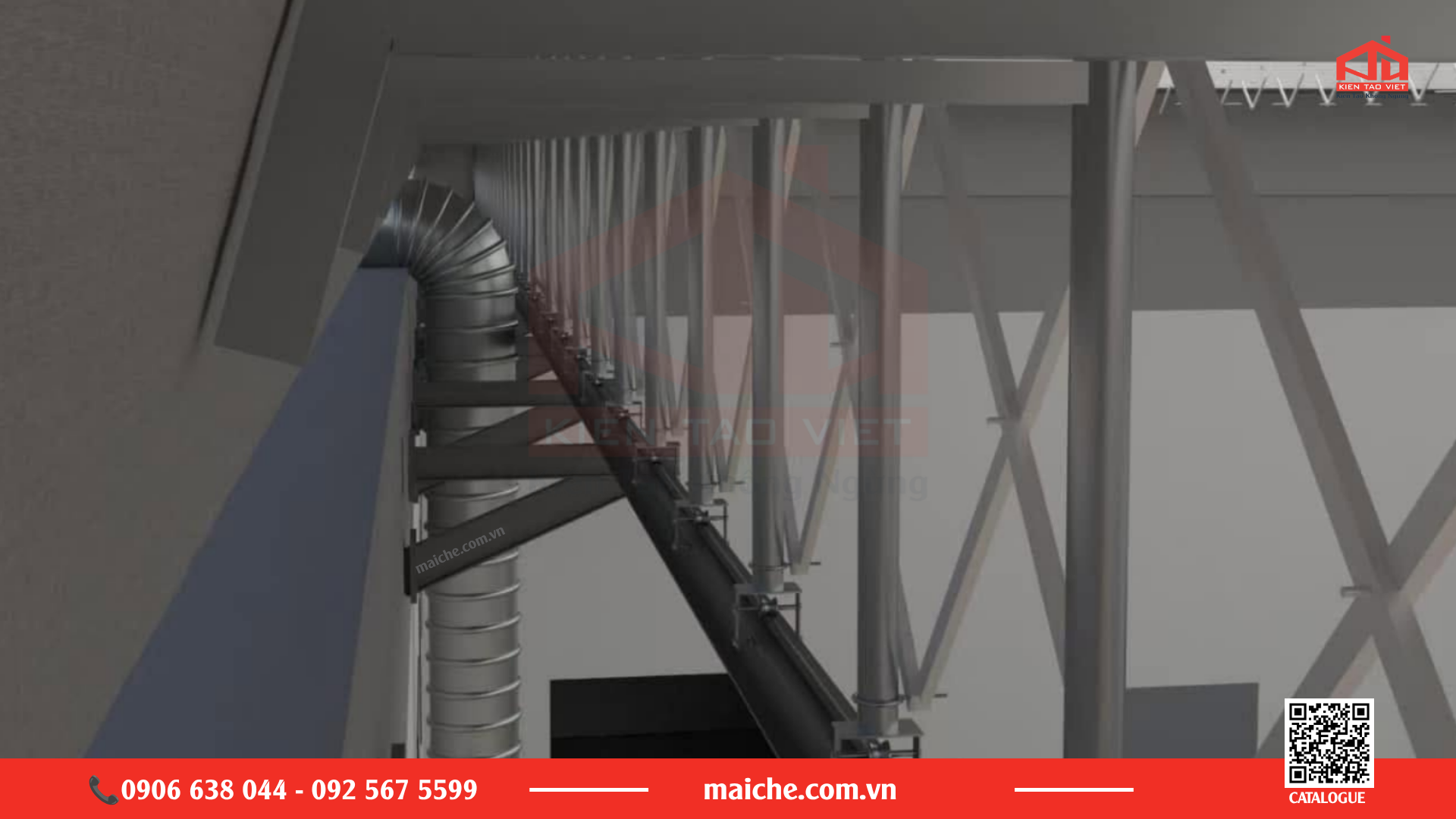
Sliding Rail System Maintenance
The sliding rail system is the component that enables the Motorized Retractable Dome Canopy to open and close smoothly and efficiently. During operation, the rails are constantly exposed to various environmental and operational factors, including:
- Industrial dust
- Sand and dirt particles
- Metal shavings
- Rainwater
- Mechanical impacts and collisions
Over time, these factors can affect the performance of the rail system and reduce the overall efficiency of the canopy.
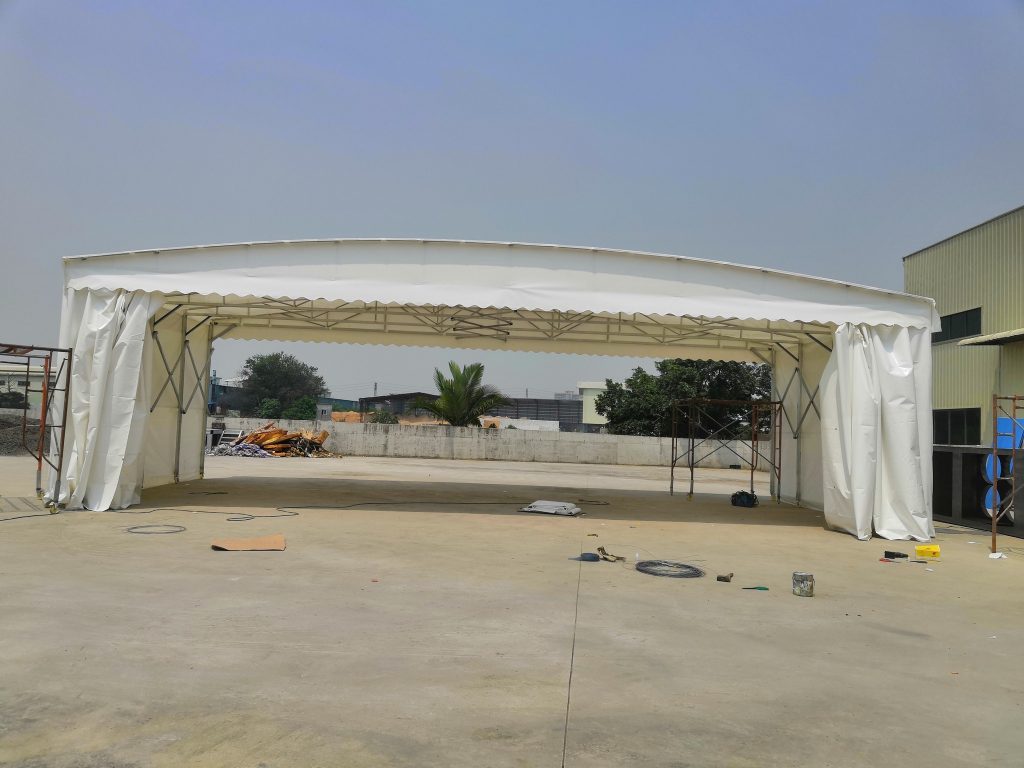
Common Sliding Rail Problems
Dust and Debris Accumulation
One of the most common causes of rail system issues is the buildup of dust and debris.
This can lead to:
- Difficulty in opening and closing the canopy
- Increased pulling or driving force requirements
- Accelerated wear of load-bearing wheels
- Reduced operational efficiency
Bent or Misaligned Rails
Rail deformation or misalignment can significantly affect canopy performance.
Even a deviation of only 5–10 mm can result in:
- Difficult canopy movement
- Excessive vibration during operation
- Uneven wheel loading
- Increased wear on mechanical components
If left unaddressed, rail misalignment may eventually damage the wheel assemblies and structural framework.
Recommended Maintenance Procedures
To ensure reliable operation and extend the service life of the sliding rail system, the following maintenance tasks should be performed regularly:
| Maintenance Task | Recommended Frequency |
|---|---|
| Clean the rail tracks and remove dust buildup | Monthly |
| Remove debris and obstructions from the rail path | Monthly |
| Check rail straightness and alignment | Every 6 months |
| Inspect for corrosion and surface damage | Every 6 months |
| Apply anti-corrosion coating (for carbon steel rails) | Periodically as required |
Technical Recommendation
For black steel (carbon steel) rail systems installed outdoors, periodic anti-rust treatment is highly recommended. Exposure to moisture and rainwater can accelerate corrosion, leading to increased friction, reduced wheel performance, and a shorter service life of the entire canopy system.
A well-maintained rail system not only ensures smooth and safe canopy operation but also helps reduce maintenance costs and extend the lifespan of the Motorized Retractable Dome Canopy for many years.
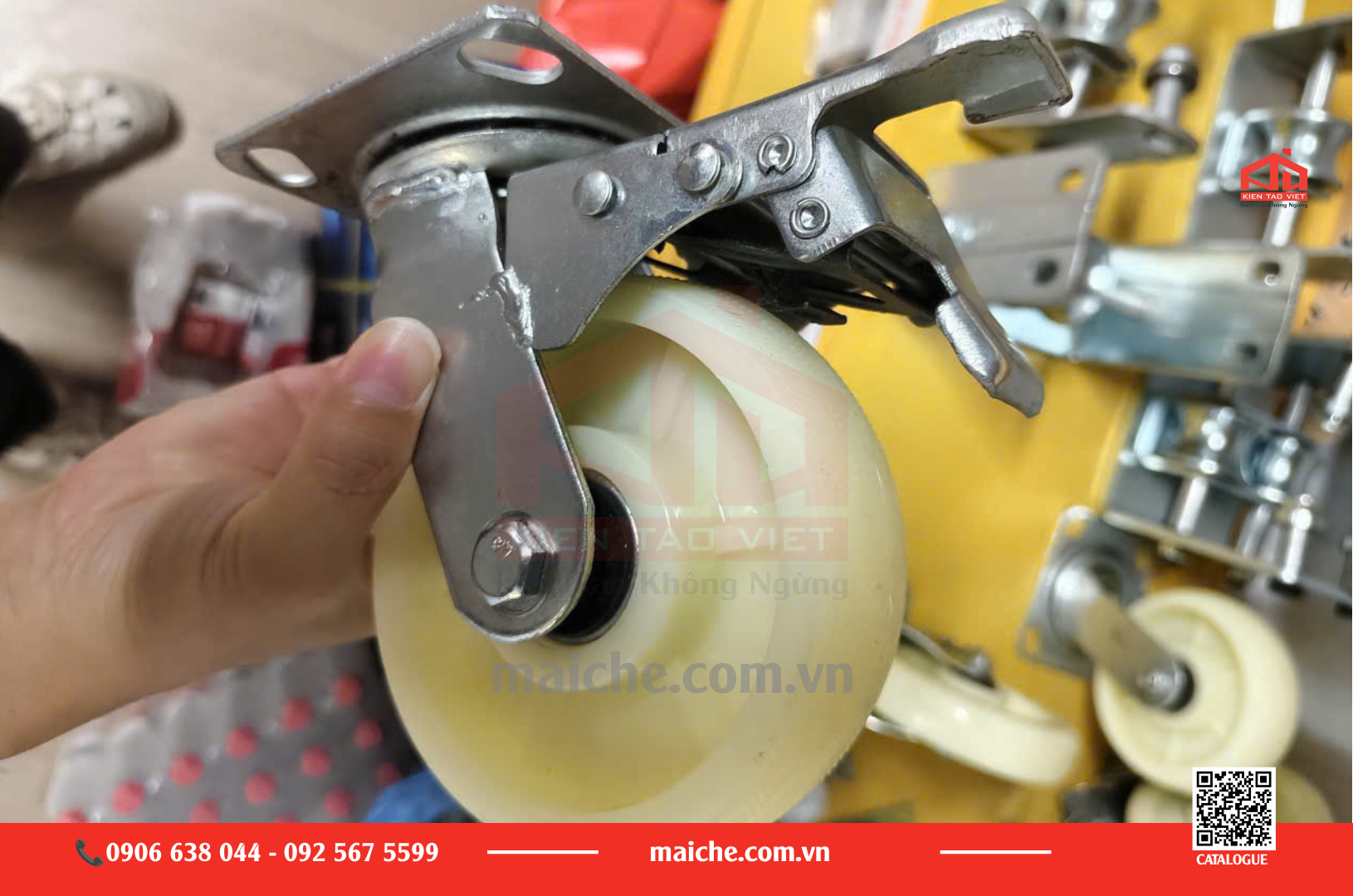
Inspection of Load-Bearing Wheel Systems
This component plays a critical role in the operation of a Motorized Retractable Dome Canopy. A canopy structure with a length of 30 meters may use between 12 and 30 load-bearing wheels, depending on the design load requirements.
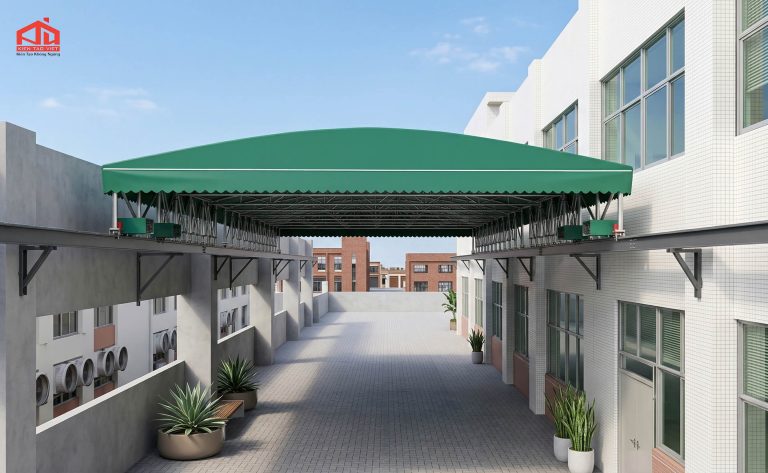
Common Load Capacities
- 300 kg per wheel
- 500 kg per wheel
- 1,000 kg per wheel
- 2,000 kg per wheel
Signs That Wheels Need Replacement
- Wheel surface wear
- Excessive vibration during operation
- The canopy becomes harder to move than usual
- Unusual noises during operation
In general, wheels should be replaced when wear exceeds 30% of their original dimensions.
>> Read More: Four-Season Sun and Rain Protection Solution with Motorized retractable dome canopy
Lubrication of the Moving System
Many businesses overlook this maintenance step, causing the canopy system to deteriorate more quickly.
Components that require lubrication include:
- Bearings
- Wheel shafts
- Guide rails
- Drive transmission systems
Benefits
Proper lubrication helps:
- Reduce friction by up to 40%
- Minimize component wear
- Extend the service life of wheels and bearings
Maintenance Frequency
| Operating Environment | Frequency |
|---|---|
| Normal conditions | Every 6 months |
| Dusty environments | Every 3 months |
| Coastal areas | Every 1–2 months |
Inspection and Adjustment of PVC Canopy Fabric
PVC fabric serves as the primary protective layer against sunlight, rain, and UV radiation.
Common PVC fabric specifications include:
- PVC 650 gsm
- PVC 750 gsm
- PVC 900 gsm
Average Service Life
- 8–15 years, depending on material quality and operating conditions.
Signs That Require Attention
- Sagging fabric
- Water ponding
- Visible wrinkles or folds
- Separation of heat-welded seams
The Impact of Water Ponding
For example:
Canopy area: 100 m²
If water accumulates to a depth of 3 cm:
100 × 0.03 = 3 m³ of water
This is equivalent to approximately 3 tons of additional load on the canopy structure.
This additional load can cause fabric stretching, frame deflection, and a reduction in the overall service life of the structure.
Monitoring Structural Loads and Deflection
One of the most important technical factors in maintaining a Motorized Retractable Dome Canopy is monitoring structural deflection. According to steel structure design standards:
The allowable deflection is typically within the range of:
L/250 to L/300
For example:
Roof span: 15 m
Maximum allowable deflection:
15,000 ÷ 250 = 60 mm
If this limit is exceeded, the entire structural system and load-bearing connections should be thoroughly inspected.
Warning Signs
- The canopy peak is lower than its original design height.
- The fabric shows unusual sagging.
- Areas of standing water appear on the canopy surface.
Inspection of the Motor and Control Cabinet (For Automatic Canopy Systems)
| Component | Technical Information | Inspection Items | Abnormal Signs | Risks if Not Addressed |
|---|---|---|---|---|
| Electric Motor | Common power ratings: 0.75 kW, 1.5 kW, and 2.2 kW. Average service life ranges from 8–15 years depending on usage frequency and environmental conditions. | – Check operating temperature- Check vibration levels- Check operating noise- Check current consumption | – Abnormally high motor temperature- Excessive vibration- Squealing or mechanical impact noises- Reduced opening/closing speed | May cause motor burnout, reduced operating efficiency, unexpected shutdowns, or damage to the drive system. |
| Gearbox | Transfers torque from the motor to the wheel system or canopy drive mechanism. | – Check lubricant oil level- Check oil seal integrity- Check for mechanical noise | – Oil leakage- Increased operating temperature- Unusual operating noises | Increases friction, accelerates gear wear, reduces gearbox lifespan, and may damage the entire drive system. |
| Limit Switch | Automatically stops the motor when the canopy reaches its designed open or closed position. | – Check switching sensitivity- Inspect signal wiring- Verify installation position | – Canopy fails to stop automatically- Stops at the wrong position- Unstable opening and closing operation | May cause overtravel, severe impact at the end of the rail track, and damage to the canopy frame, motor, or wheel system. |
| Electrical Control Cabinet | Controls the entire opening and closing operation of the automatic canopy system. | – Inspect circuit breakers, contactors, and relays- Inspect electrical wiring- Check all electrical connections | – Short circuits- Loss of control signals- Unstable system operation | May cause complete system shutdown or create hazardous electrical failures. |
Recommended Maintenance Schedule for the Motor System
| Component | Monthly Inspection | Every 6 Months | Annual Inspection |
|---|---|---|---|
| Electric Motor | ✓ | ✓ | ✓ |
| Gearbox | ✓ | ✓ | |
| Limit Switch | ✓ | ✓ | ✓ |
| Electrical Control Cabinet | ✓ | ✓ | ✓ |
| Electrical Wiring System | ✓ | ✓ | |
| Gearbox Oil Replacement | ✓ |
Key Technical Parameters to Monitor During Motor Maintenance
| Parameter | Recommended Value |
|---|---|
| Motor operating temperature | 40–70°C |
| Allowable vibration level | ≤ 4.5 mm/s |
| Operating noise level | < 70 dB |
| Electric motor service life | 8–15 years |
| Gearbox oil replacement interval | Every 12 months |
| Limit switch inspection frequency | Every 3–6 months |
Technical Note
For automatic Motorized Retractable Dome Canopy systems, more than 60% of operational failures are related to the electrical system, motor, or limit switches.
Therefore, regular inspection of these components not only ensures stable canopy operation but also minimizes the risk of structural damage, reduces repair costs, and extends the overall lifespan of the entire system.
Inspection After the Rainy and Storm Season
Strong winds are the factor that has the greatest impact on the service life of a Motorized Retractable Dome Canopy.
Operating Recommendations
The canopy should not be opened or closed when wind speeds exceed:
40 km/h (equivalent to Beaufort Scale Force 6).
During storms, the following precautions should be taken:
- Fully close the canopy.
- Secure the locking system.
- Inspect anchor bolts.
- Disconnect the power supply for automatic canopy systems.
After storms or severe weather events, a comprehensive inspection of the entire structure should be carried out to identify any hidden damage at an early stage.
>> Learn More: Proper Retractable Canopy Cleaning Guide
Recommended Maintenance Schedule for a Motorized Retractable Dome Canopy
Monthly Maintenance
- Clean the sliding rails.
- Inspect the wheels.
- Inspect the PVC canopy fabric.
- Check bolted connections.
Every 6 Months
- Lubricate all moving components.
- Inspect the steel structure.
- Inspect anti-corrosion coatings.
- Realign and adjust the sliding rails.
Annual Maintenance
- Conduct a comprehensive structural inspection.
- Evaluate structural deflection.
- Inspect fabric tension.
- Replace worn components.
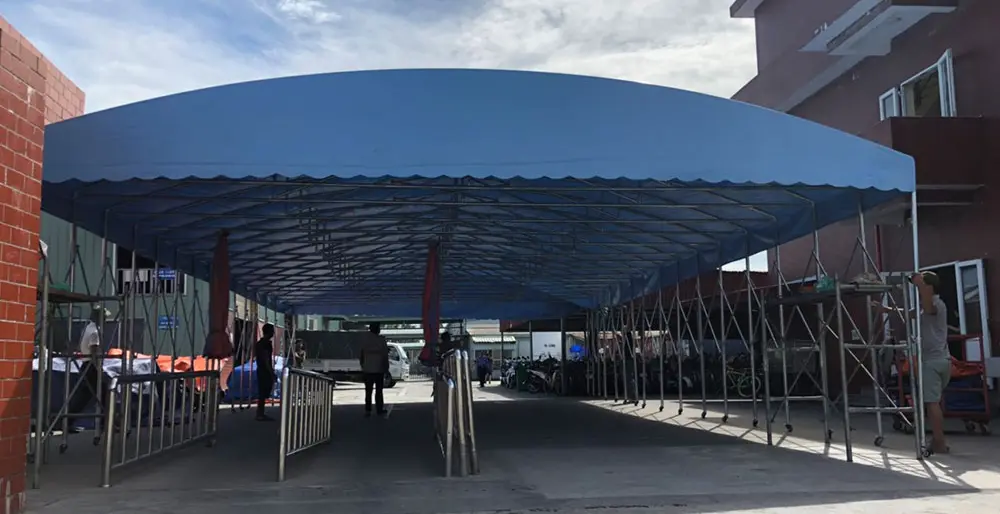
Professional Motorized Retractable Dome Canopy Solutions by Kien Tao Viet
Kien Tao Viet not only provides high-quality canopy solutions but also supports customers throughout the entire lifecycle of their projects with professional consultation, maintenance, and system upgrade services.
With years of experience in industrial canopies, factory facilities, warehouses, logistics centers, and sports venues, Kien Tao Viet offers:
✔ Customized Motorized Retractable Dome Canopy design solutions tailored to specific project requirements.
✔ High-quality steel structure fabrication and installation.
✔ Durable PVC membrane materials with excellent waterproof and UV-resistant properties.
✔ Heavy-duty sliding rail systems and load-bearing wheel assemblies.
✔ Scheduled inspection, maintenance, and preventive servicing programs.
✔ Fast and reliable technical support nationwide.
Kien Tao Viet’s Motorized Retractable Dome Canopy solutions enable businesses to expand usable space quickly and efficiently at competitive costs starting from 380,000 VND/m², while ensuring flexibility, durability, and long-term investment value.
Conclusion
Maintaining a Motorized Retractable Dome Canopy is more than a routine maintenance task—it is a strategic investment that helps businesses protect their assets, maintain operational efficiency, and extend the lifespan of their structures to 20 years or more.
By implementing a comprehensive maintenance plan that includes regular inspections of the steel framework, sliding rail system, load-bearing wheels, PVC membrane, and control system, businesses can significantly reduce the risk of unexpected failures, minimize repair costs, and ensure reliable long-term performance.
A well-maintained canopy system not only delivers superior operational reliability but also maximizes return on investment, making it an ideal solution for factories, warehouses, sports facilities, and commercial outdoor spaces seeking long-lasting and cost-effective shelter solutions.