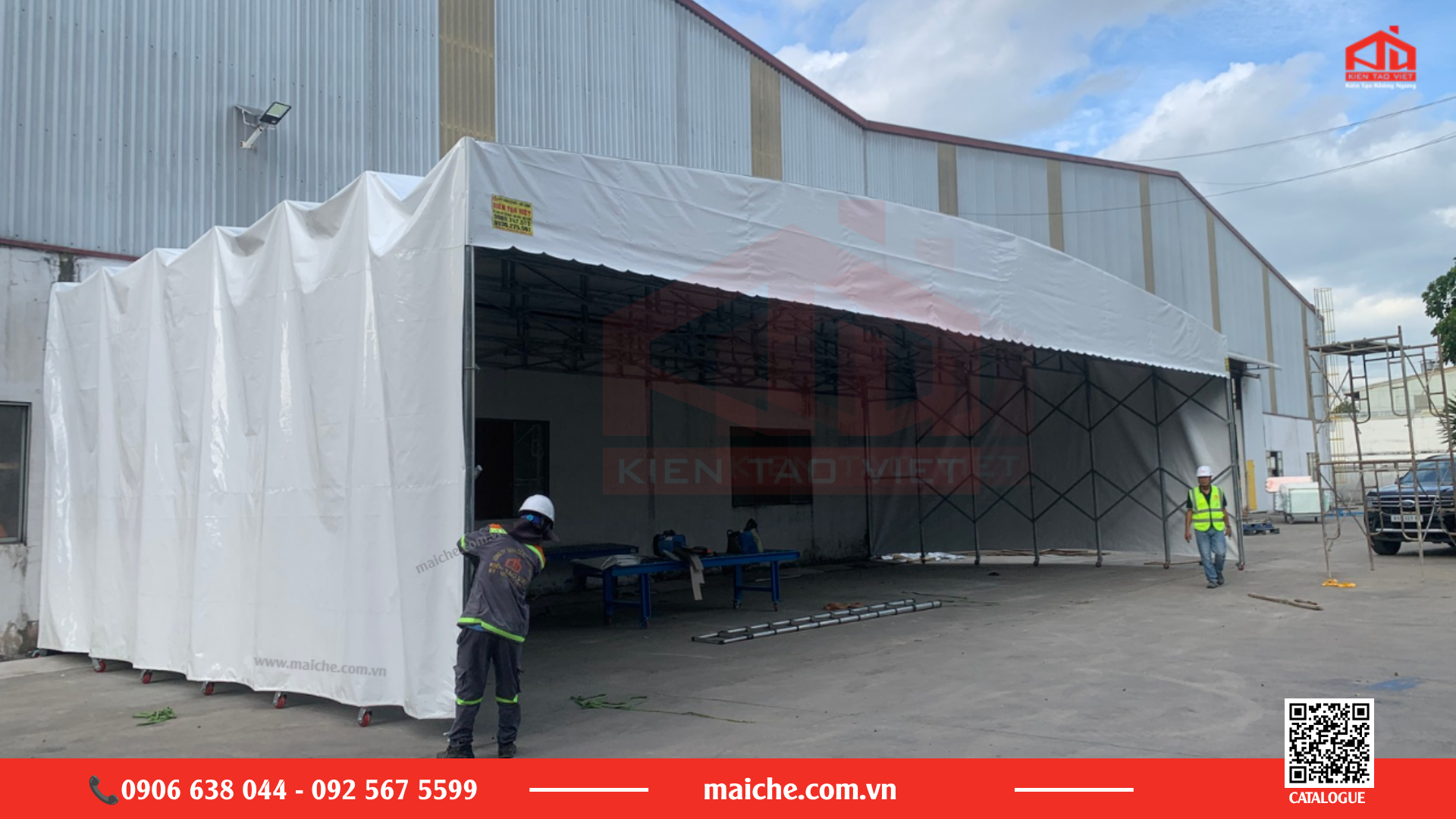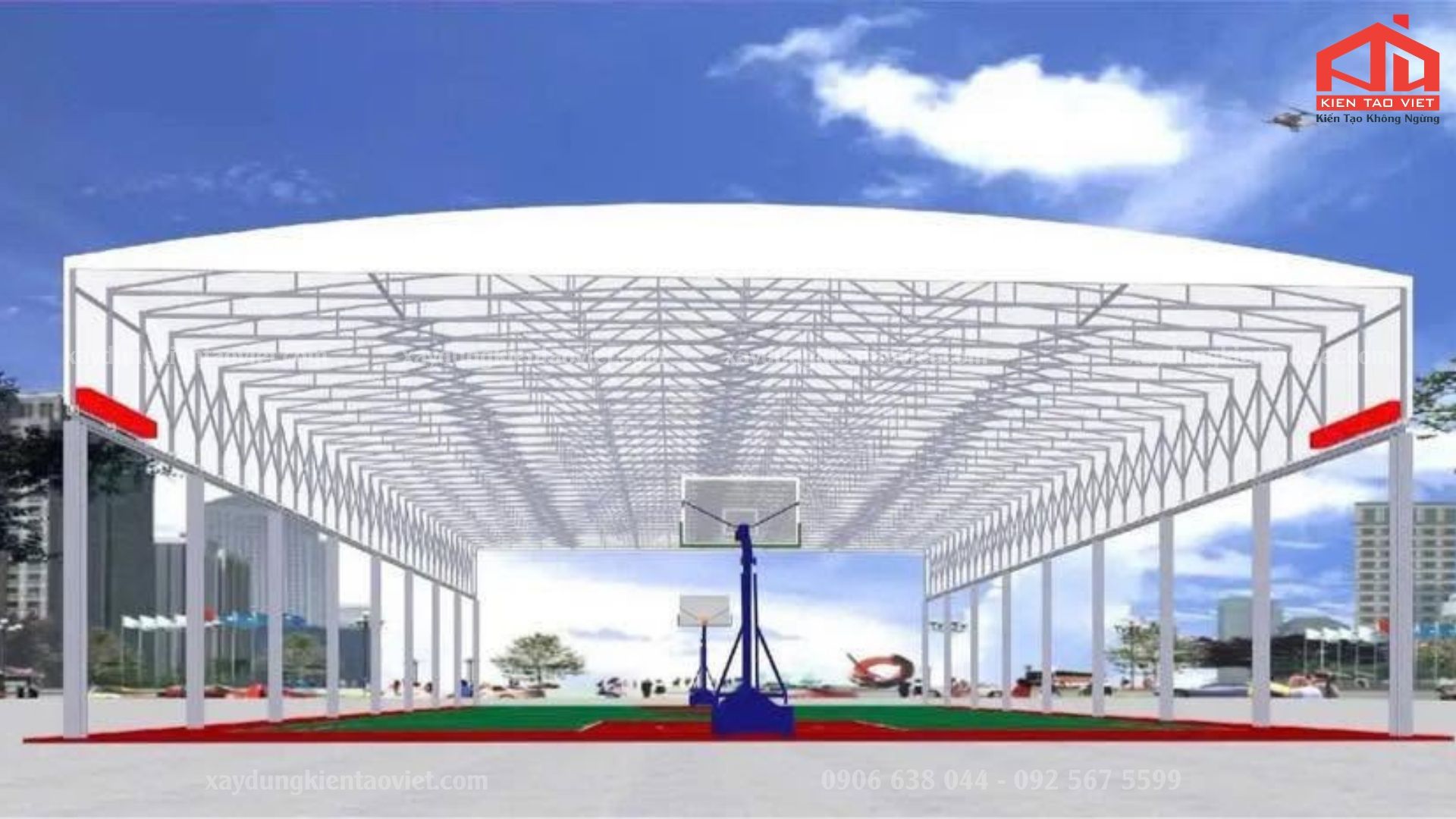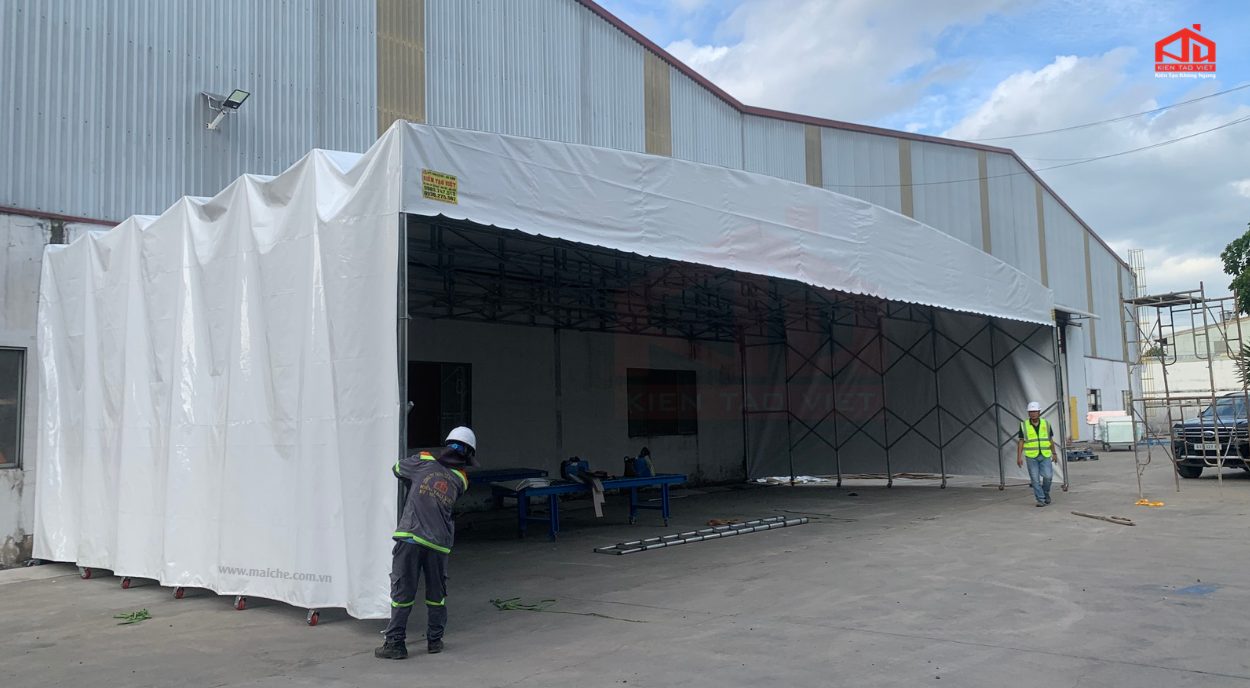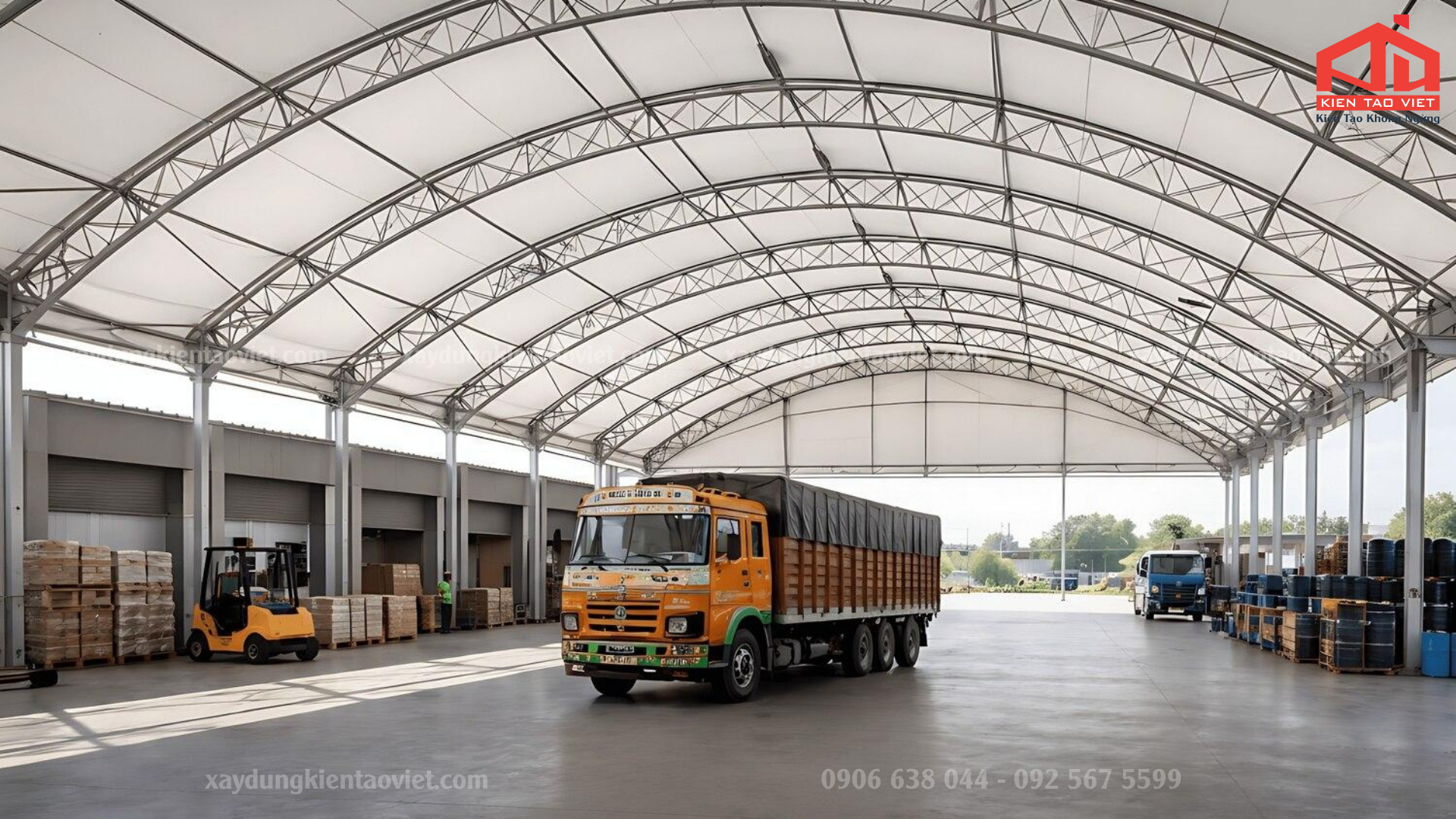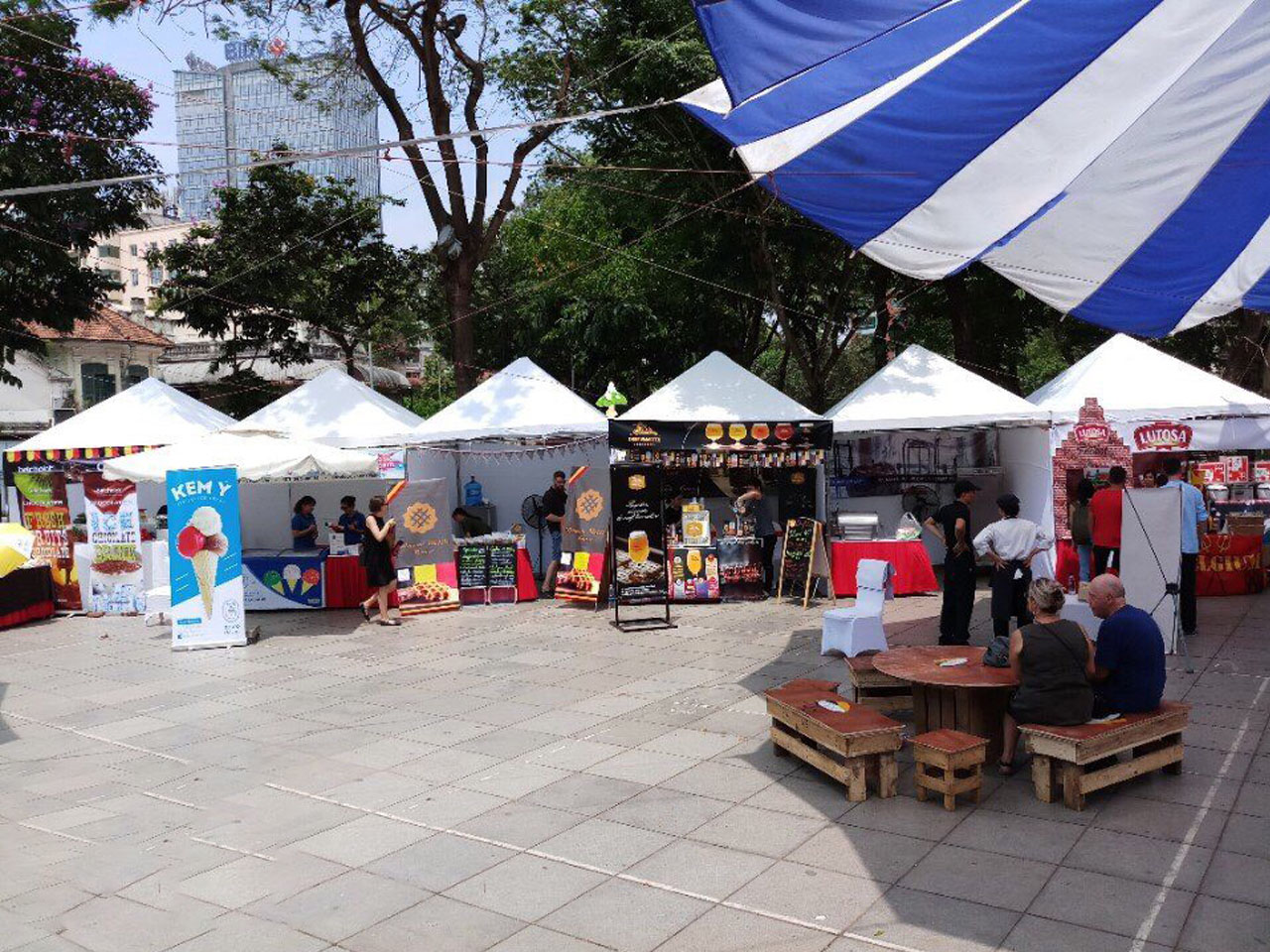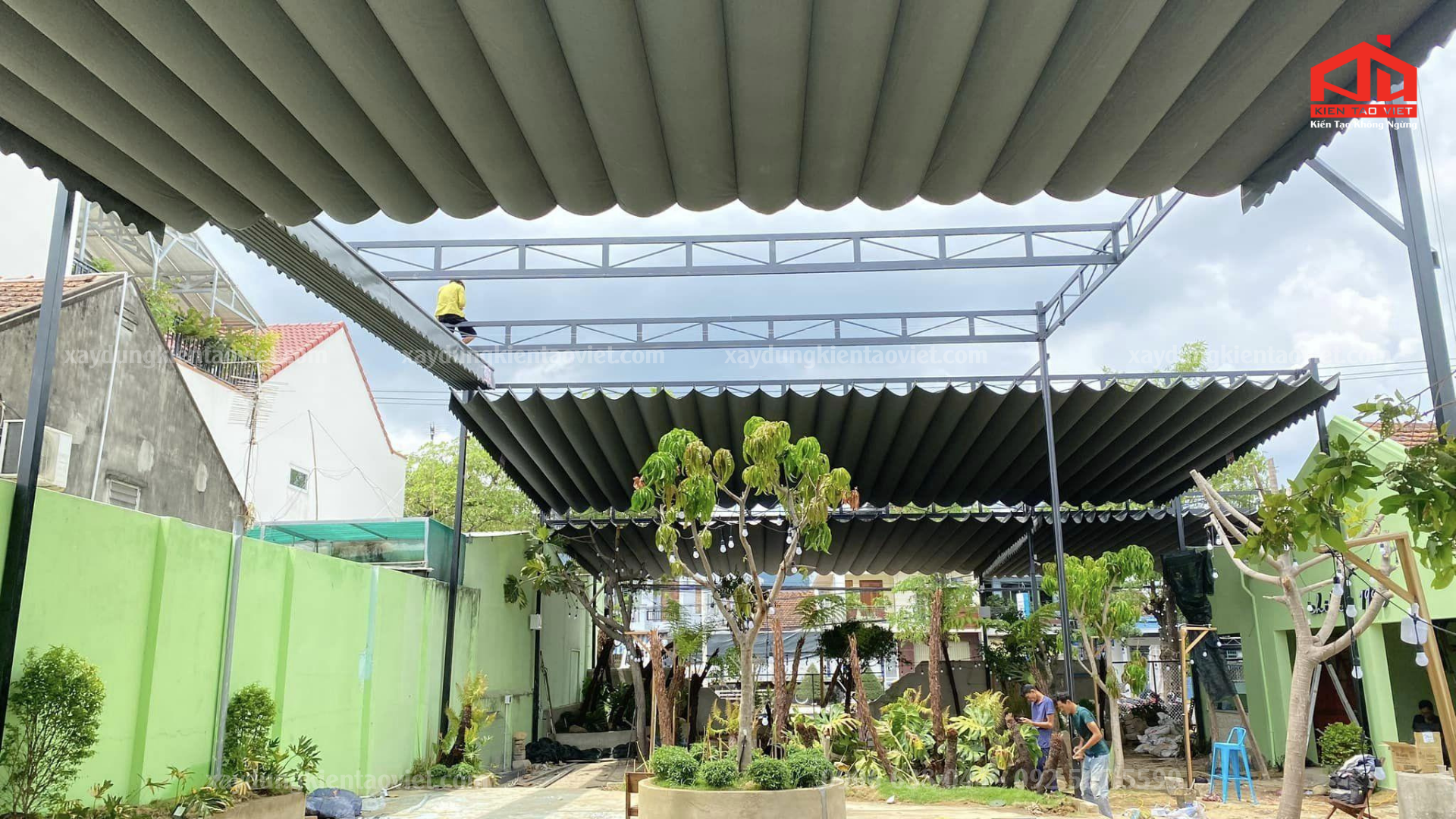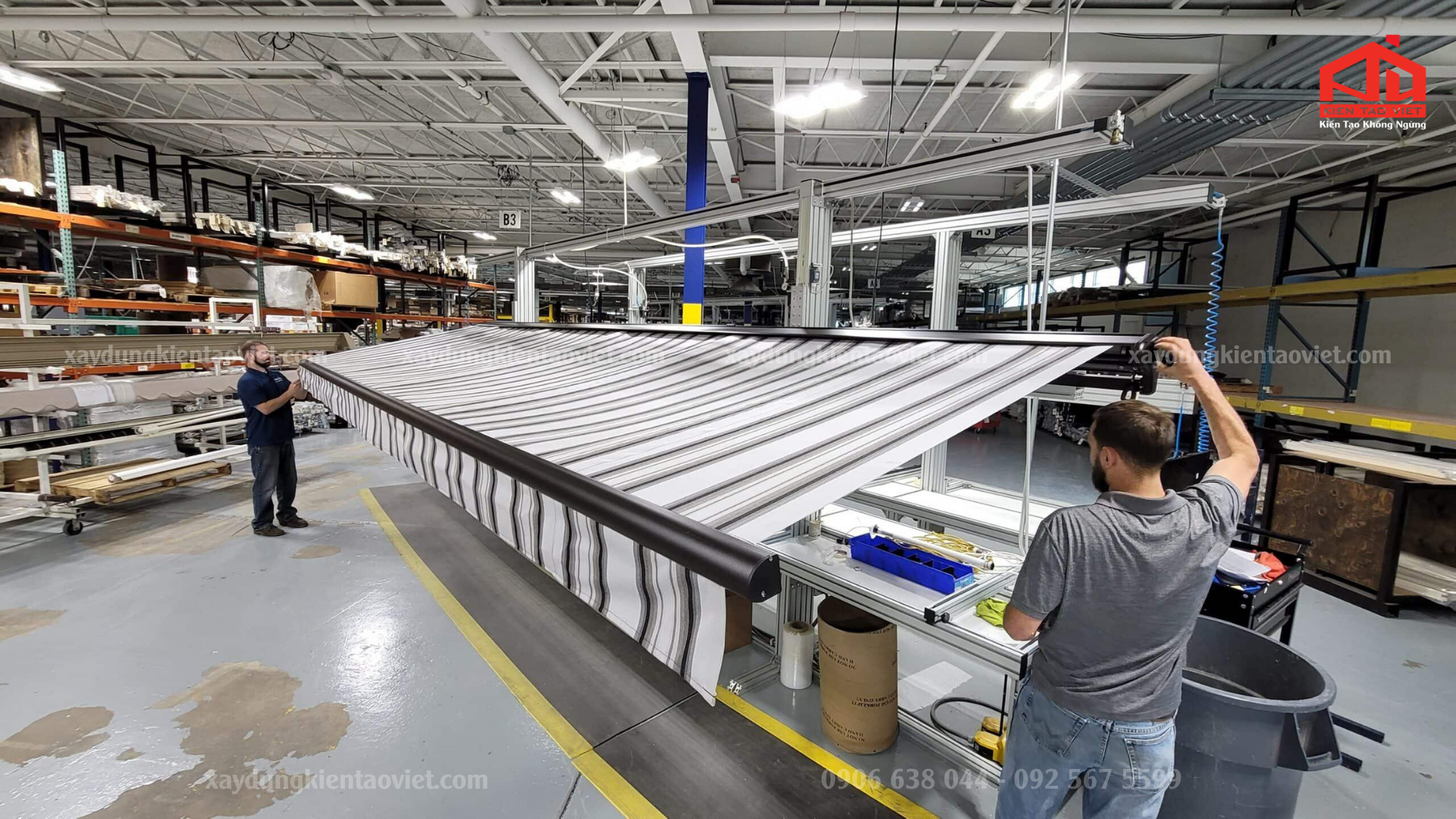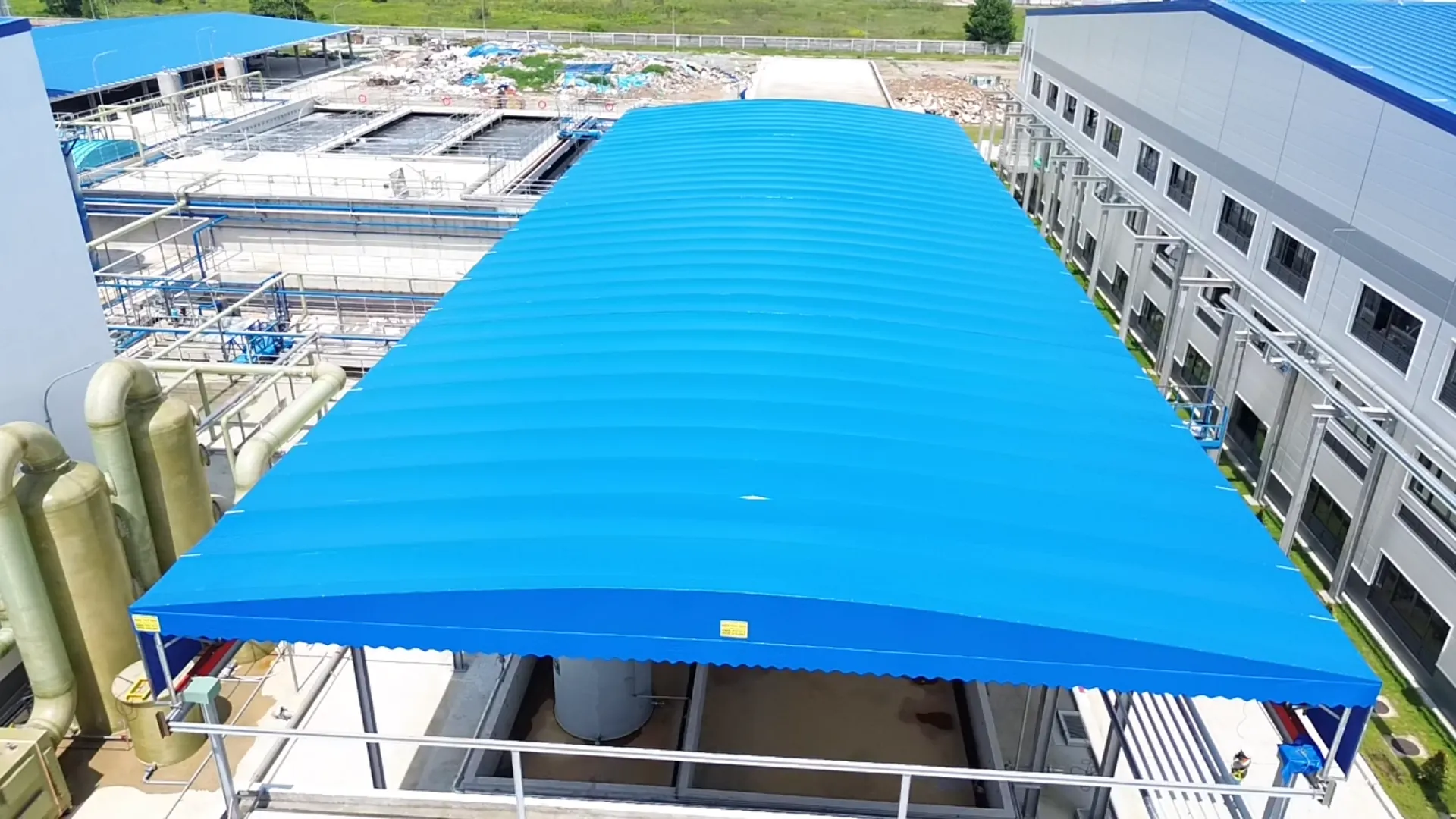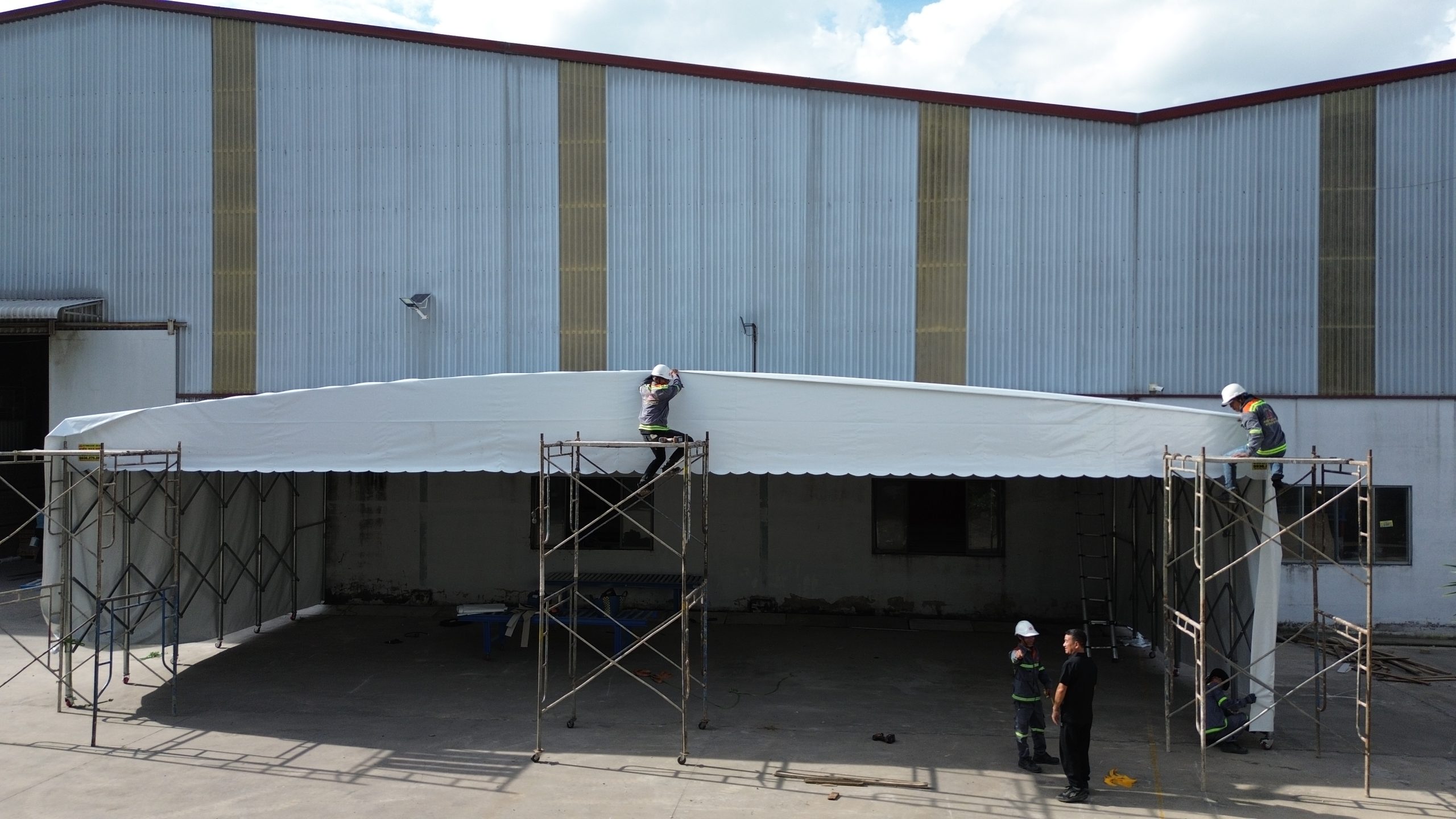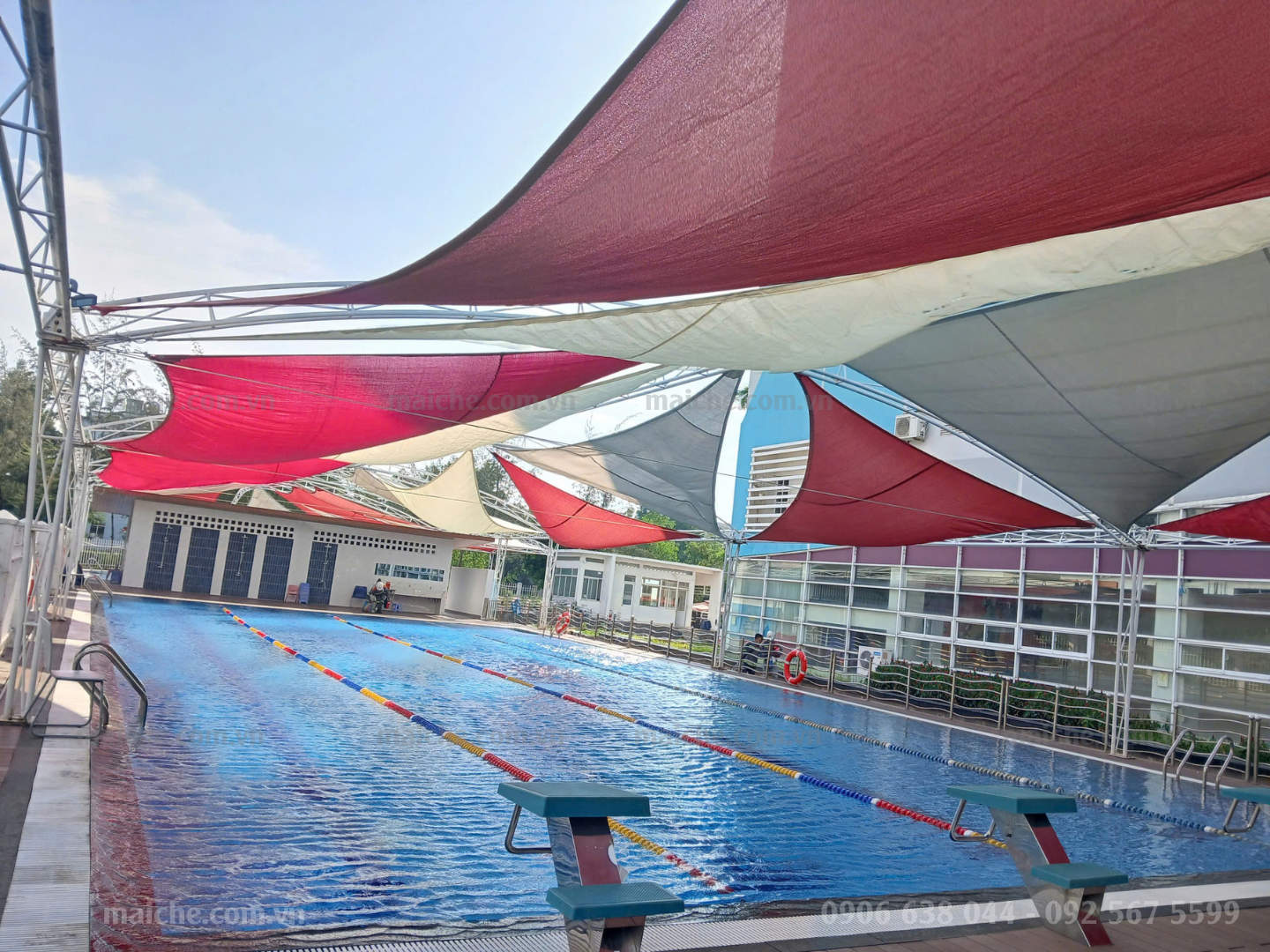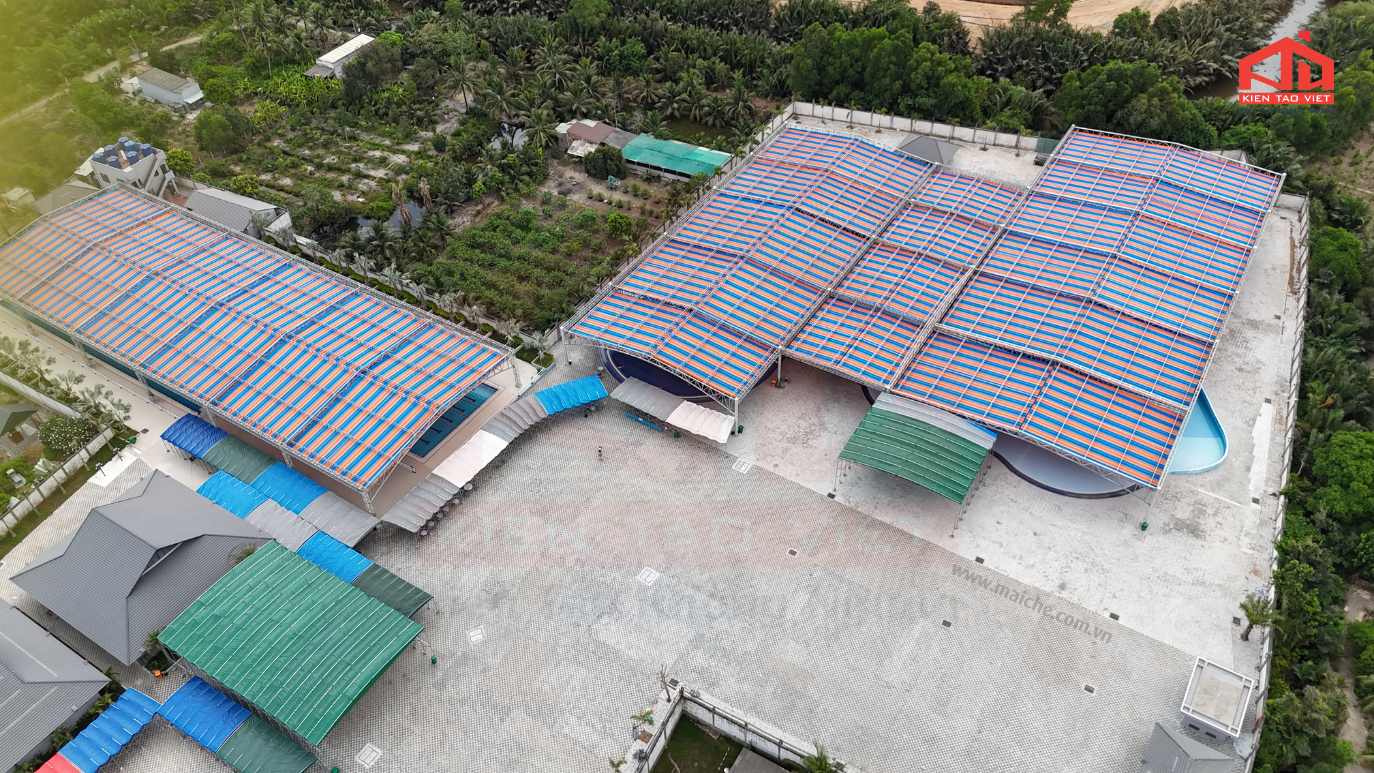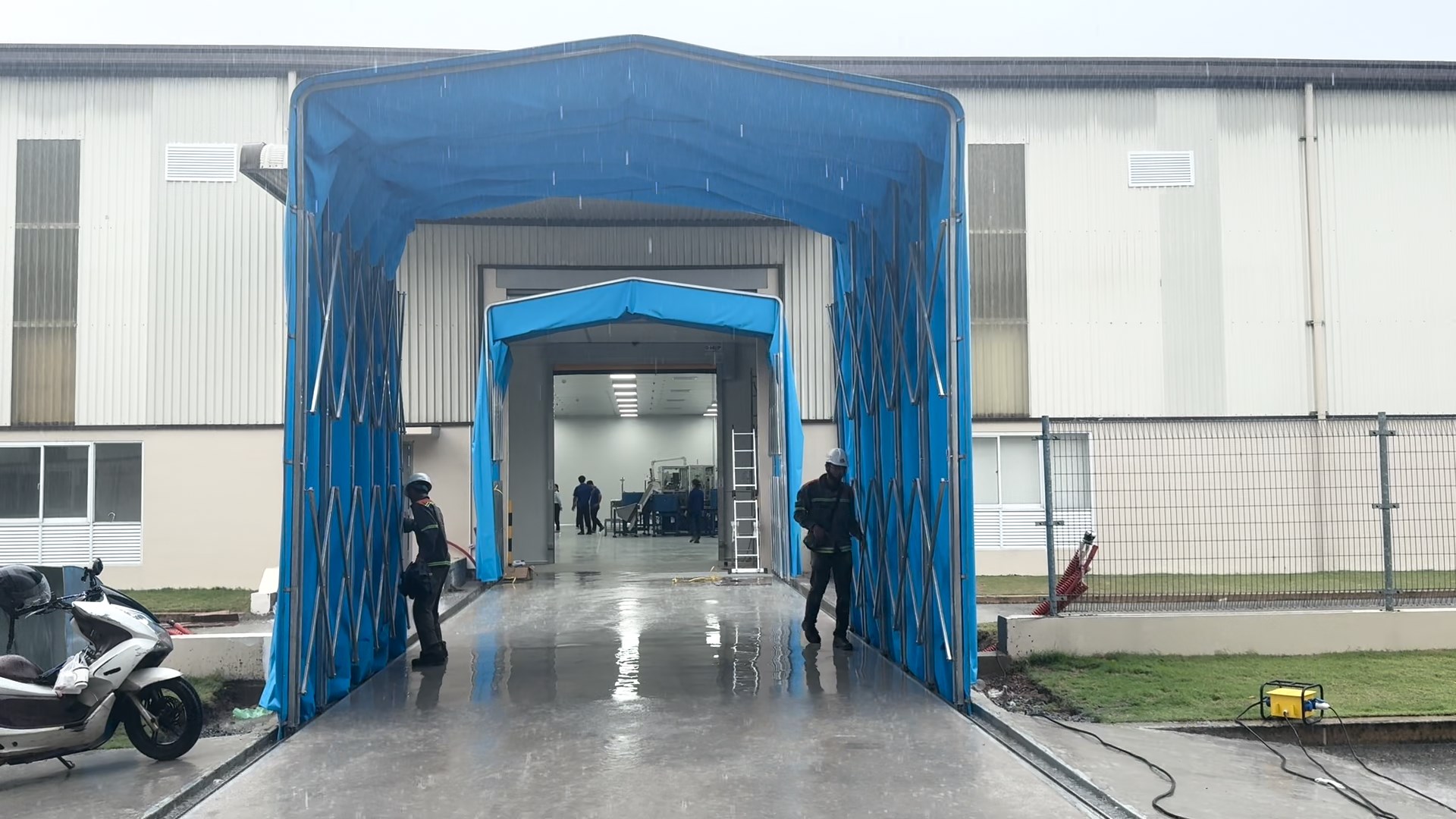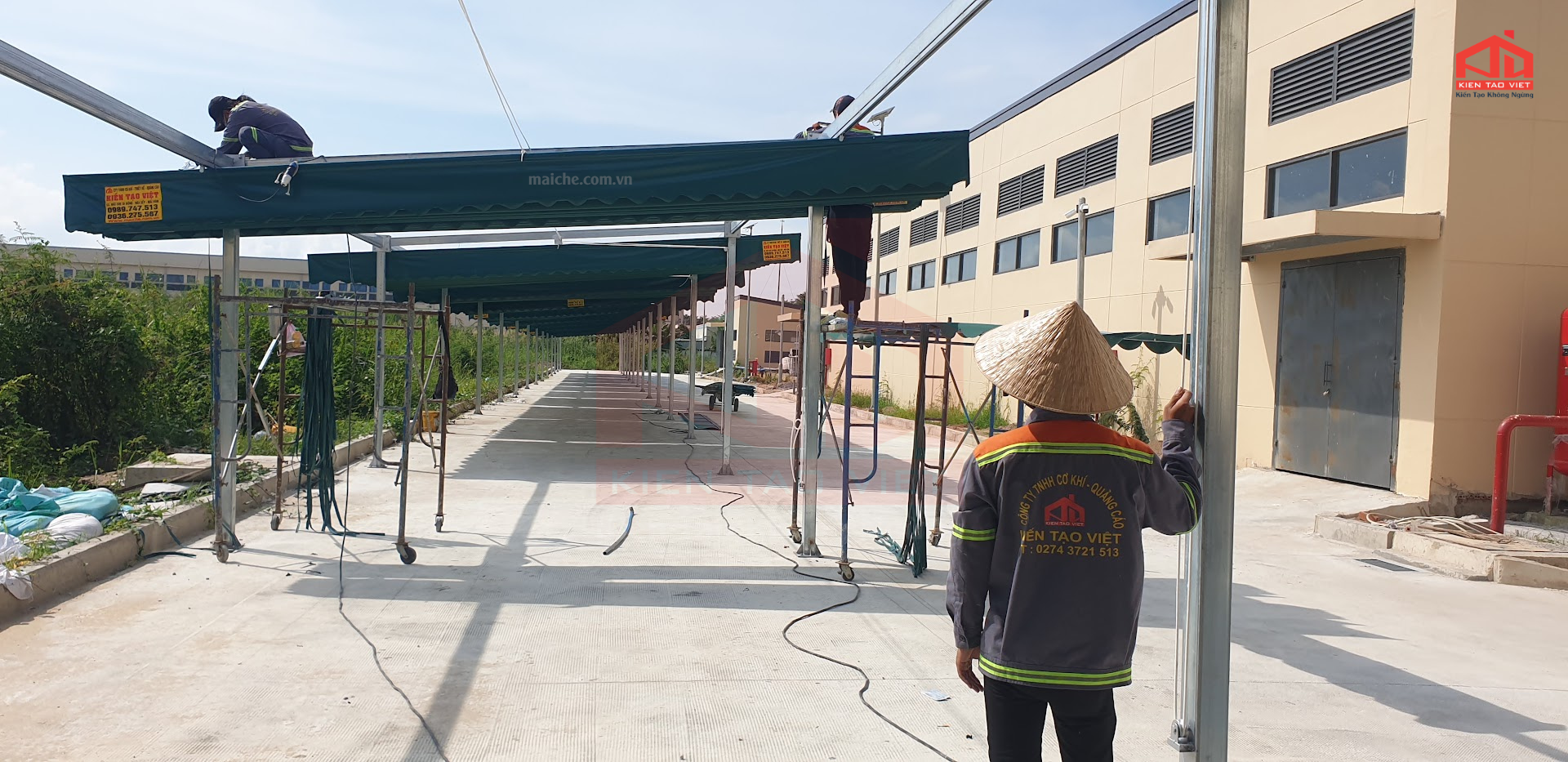
Outdoor canopies are a popular solution for sun and rain protection in factories, warehouses, cafés, restaurants, and various residential and commercial properties. However, after prolonged exposure to dirt, dust, mold, and harsh weather conditions, the canopy system can gradually lose its appearance and durability.
Therefore, regular and proper roof cleaning is essential to keep the structure clean, ensure smooth operation, and maintain its long-term performance. In this article, Kien Tao Viet will share effective roof cleaning methods and important maintenance guidelines to help maximize the lifespan of your canopy system.
Roof Cleaning Cleaning – The Key to Maintaining Durability and Appearance
Outdoor canopies are widely used in factories, warehouses, sports facilities, cafés, restaurants, parking areas, and many other commercial and residential applications. Over time, continuous exposure to sunlight, rain, dust, and environmental pollutants can lead to dirt accumulation, mold growth, water ponding, and material deterioration.
For this reason, regular canopy cleaning is not only essential for maintaining a clean and professional appearance but also plays a critical role in ensuring stable performance, preventing premature damage, and extending the service life of the entire canopy system.
Many property owners only consider maintenance when visible damage occurs. However, in reality, the cost of routine cleaning and preventive maintenance is significantly lower than the expense of major repairs or material replacement. A canopy system that is cleaned and maintained correctly can achieve a service life that is 20–30% longer than one that receives little or no maintenance.
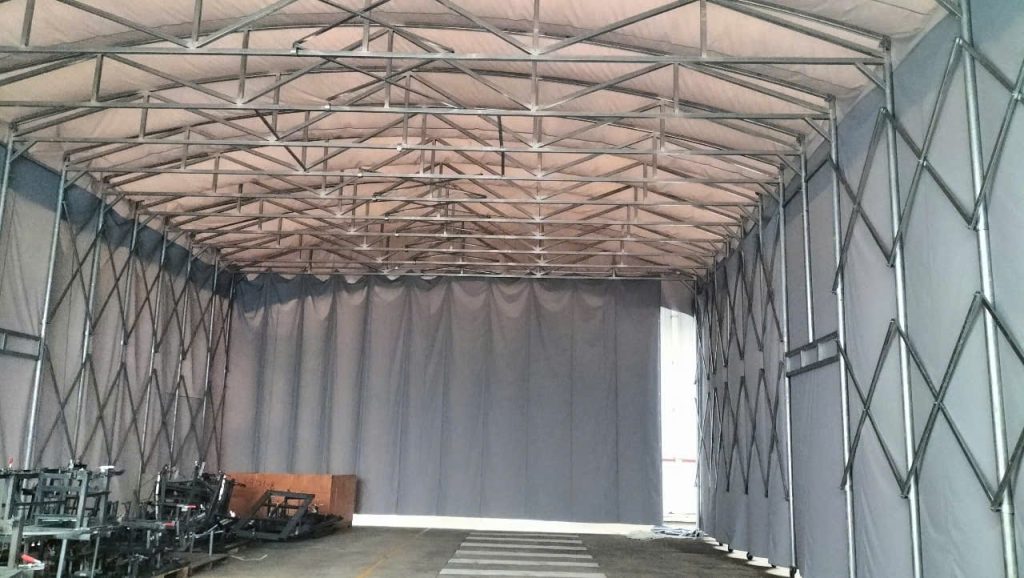
Why Is Roof Cleaning Cleaning Important?
A roof is continuously exposed to outdoor environmental conditions. During daily operation, its surface is subjected to:
- Airborne dust and fine particles.
- Industrial pollution and smoke.
- Ultraviolet (UV) radiation.
- Rainwater.
- Leaves and organic debris.
- Bird droppings.
- Salt-laden air in coastal regions.
Without regular cleaning, these contaminants accumulate on the roof surface, negatively affecting both appearance and material performance.
Based on practical observations from industrial projects, a dirt layer as thin as 1 – 2 mm can reduce the reflective efficiency of PVC membrane surfaces by approximately 10 – 20%, causing surface temperatures to increase by 5- 10°C during hot weather. This accelerates material aging and increases the likelihood of premature deterioration.
>> SEE MORE: How to Maintain a Motorized Retractable Dome Canopy for Long-Term Durability and Performance
How Often Should a Canopy Be Cleaned?
The cleaning frequency depends on the surrounding environment and operating conditions.
| Operating Environment | Recommended Frequency |
|---|---|
| Residential Areas | Every 3 – 6 months |
| Factories & Industrial Zones | Every 1- 3months |
| Areas with Dense Trees | Every 1-2 months |
| Coastal Areas | Monthly |
| Chemical Storage Facilities | Every 2-4 weeks |
Establishing a regular cleaning schedule helps minimize deterioration and ensures long-term operational reliability.
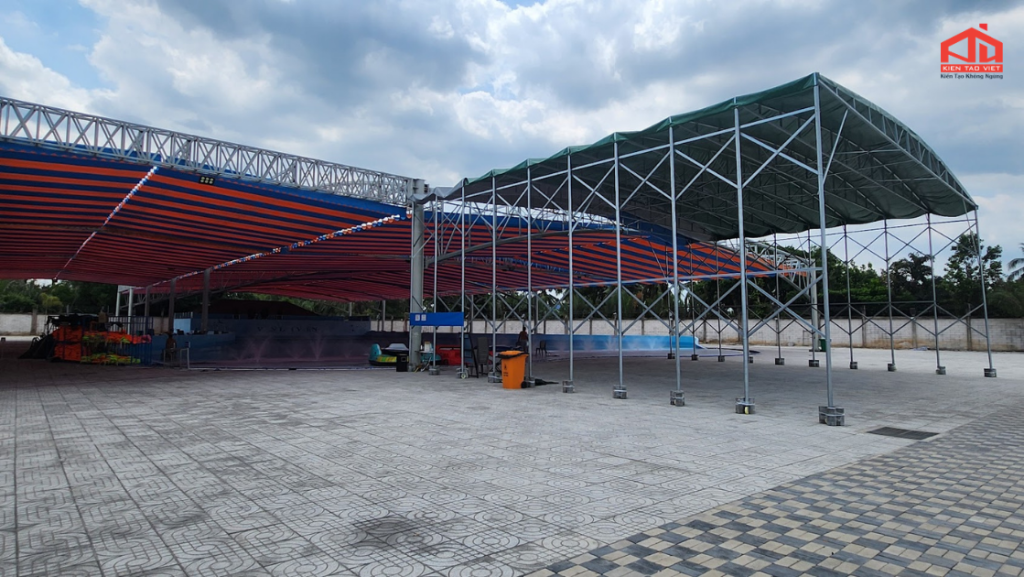
Components That Require Cleaning and Maintenance
PVC Canopy Fabric
The roof fabric is the component most directly exposed to weather conditions and is typically where dirt accumulates most rapidly.
Common fabric types include:
- PVC 650 gsm
- PVC 750 gsm
- PVC 900 gsm
Common contaminants include:
- Industrial dust
- Mold and mildew
- Bird droppings
- Oil and grease
- Organic debris
If left untreated, these contaminants can reduce UV resistance and shorten the lifespan of the canopy fabric.
Sliding Rail System
For retractable canopies and motorized retractable dome canopies, the rail system plays a critical role in smooth operation. Common contaminants include:
- Sand
- Dust
- Metal particles
- Rainwater residue
A dirty rail system can increase pulling resistance by 20 – 40%, accelerate wheel wear, and place additional strain on electric motors.
Load-Bearing Wheel System
The wheel assemblies directly support the weight of the canopy structure. A 30 meter long motorized retractable dome canopy may utilize between 12 and 30 load bearing wheels, depending on design requirements. Typical wheel load capacities include:
- 300 kg per wheel
- 500 kg per wheel
- 1,000 kg per wheel
- 2,000 kg per wheel
Accumulated dirt around wheel bearings and tracks can significantly reduce operating efficiency and increase wear.
Steel Structure and Load-Bearing Framework
During cleaning, the following structural elements should also be inspected:
- Welded connections
- Anchor bolts
- Anti-corrosion coating
- Structural connection points
Any signs of rust, paint failure, or corrosion should be addressed immediately to prevent further structural deterioration.
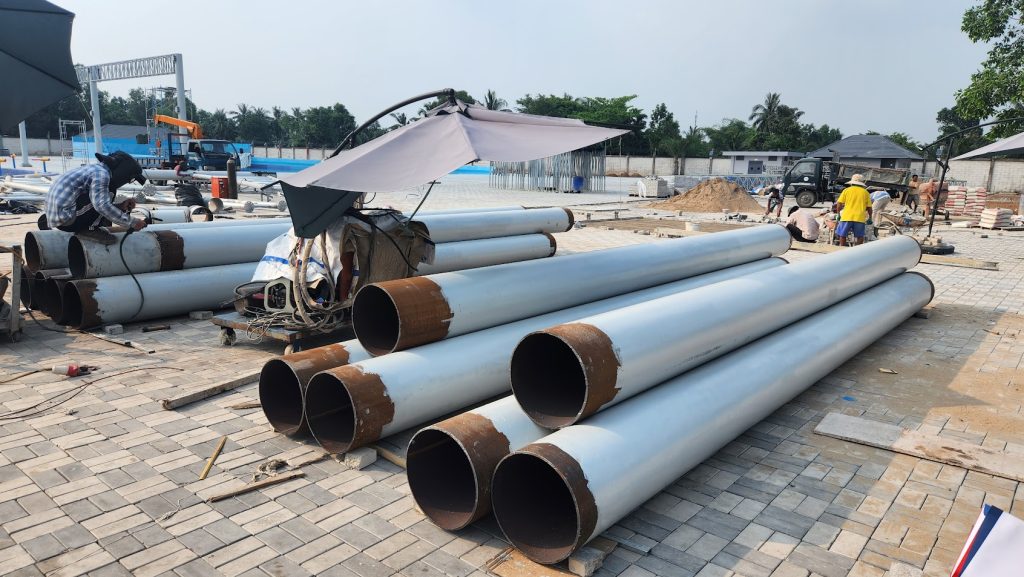
Proper and Effective Roof Cleaning Procedure
Step 1: Conduct a General Inspection
Before cleaning, perform a complete inspection of the canopy system, including:
- Fabric tension
- Heat-welded seams
- Bolted connections
- Rail tracks
- Wheels
- Structural steel members
For a canopy with a 10-meter span, the allowable structural deflection is generally:
10,000 ÷ 250 = 40 mm
Any deflection beyond this limit should be corrected before cleaning begins.
Step 2: Remove Debris and Foreign Objects
Completely remove:
- Leaves
- Dirt and sand
- Plastic waste
- Tree branches
These materials are among the leading causes of drainage blockages and additional structural loading.
Example:
Canopy area:
200 m²
Water ponding depth:
5 cm
Additional load:
200 × 0.05 × 1000
= 10,000 kg
Equivalent to approximately 10 tons of extra load on the structure.
Step 3: Wash the Canopy Surface
A low-pressure cleaning system is recommended. Recommended pressure levels:
| Material Type | Recommended Pressure |
|---|---|
| PVC 650 gsm | 50 – 70 bar |
| PVC 750 gsm | 50 – 80 bar |
| PVC 900 gsm | 60 – 90 bar |
| Polycarbonate | 40 – 60 bar |
Recommended spray distance:
30–50 cm
Recommended spray angle:
30°–45°
Avoid directing high-pressure water directly at welded seams or fabric edges.
Step 4: Remove Stubborn Stains
Recommended cleaning agents include:
- Clean water
- Neutral soap
- Specialized PVC cleaning solutions
Recommended pH range:
6–8
Typical dilution ratio:
1 part cleaning solution to 20 parts water.
Avoid using:
- Gasoline
- Kerosene
- Acetone
- Strong acids
- Concentrated bleach
These chemicals can damage UV-protective coatings and reduce material durability.
Step 5: Clean the Rail and Wheel System
After cleaning the canopy surface, proceed with the rail system. Recommended procedure:
- Blow away dust using compressed air at 5–7 bar.
- Wipe surfaces with a soft cloth.
- Lubricate tracks using Lithium Grease NLGI 2.
Wheel maintenance includes:
- Checking wear levels
- Inspecting bearings
- Monitoring vibration
Wheels should be replaced when wear exceeds 30% of their original dimensions.
Step 6: Inspect Motors and Electrical Control Panels
Applicable to automated canopy systems.
Recommended monitoring values:
| Parameter | Recommended Value |
|---|---|
| Motor Operating Temperature | 40 – 70°C |
| Vibration Level | ≤ 4.5 mm/s |
| Operating Noise | < 70 dB |
| Motor Service Life | 8 – 15 years |
Never spray water directly onto motors or electrical control panels. Use compressed air and dry cloths for cleaning instead.
>> SEE MORE: Essential Considerations Before Outdoor Canopy Construction and Canopy Installation
Common Mistakes When Cleaning Canopies
- Cleaning under direct sunlight.
- Using harsh chemicals.
- Using metal brushes.
- Ignoring drainage systems.
- Neglecting rail maintenance.
- Failing to inspect structural connections after cleaning.
These mistakes can significantly reduce the lifespan of the canopy system.
Benefits of Proper Roof Cleaning
✔ Maintains a clean and professional appearance.
✔ Extends PVC fabric lifespan to 8 – 15 years.
✔ Prevents mold and bacterial growth.
✔ Reduces water ponding and structural sagging.
✔ Ensures smooth rail and wheel operation.
✔ Identifies hidden issues before they become serious.
✔ Reduces long-term repair costs.
✔ Extends the overall service life of the structure by 15 – 30%.
Conclusion
Canopy cleaning is not merely about maintaining a clean surface; it is an essential part of the overall maintenance strategy that helps preserve the structural integrity and extend the service life of the entire canopy system. Establishing a regular maintenance schedule for the canopy fabric, sliding rails, load-bearing wheels, steel framework, and control systems ensures stable operation, enhances appearance, and maximizes long-term investment value.
Whether you are using a retractable awning, retractable canopy, or a motorized retractable dome canopy, regular cleaning every 3 – 6 months is highly recommended to protect your structure, maintain optimal performance, and minimize future repair costs.
Contact Kien Tao Viet
Kien Tao Viet specializes in the design, fabrication, and installation of high-quality industrial canopy systems, including retractable awnings, retractable canopies, and motorized retractable dome canopies.
✔ Customized canopy solutions tailored to your project requirements.
✔ On-site surveys and professional consultations.
✔ Fast and efficient installation services.
✔ Comprehensive warranty policies.
✔ Periodic maintenance and cleaning support.
Contact Kien Tao Viet today for expert consultation and discover the most efficient, durable, and cost-effective canopy solution for your project.
Kien Tao Viet – Your Trusted Partner for Durable, Flexible, and Cost-Effective Industrial Canopy Solutions.