Retractable roof solutions are becoming a preferred choice for factories, warehouses, parking areas, production zones, and outdoor business spaces thanks to their flexible sun and rain protection capabilities. However, many customers still hesitate between retractable roofs and mobile tents when selecting the most suitable covering solution.
Both solutions can create flexible covered spaces, provide convenient installation and removal, and meet various usage requirements. However, each type has its own differences in terms of structure, materials, load-bearing capacity, durability, and application range.
So, what is the difference between a retractable roof and a mobile tent? Which solution is more suitable for businesses, factories, or projects that require long-term operation?
In this article, Kien Tao Viet will help you analyze the key differences between these two popular roofing solutions, helping you make the most effective investment decision.
1. What is a retractable roof?
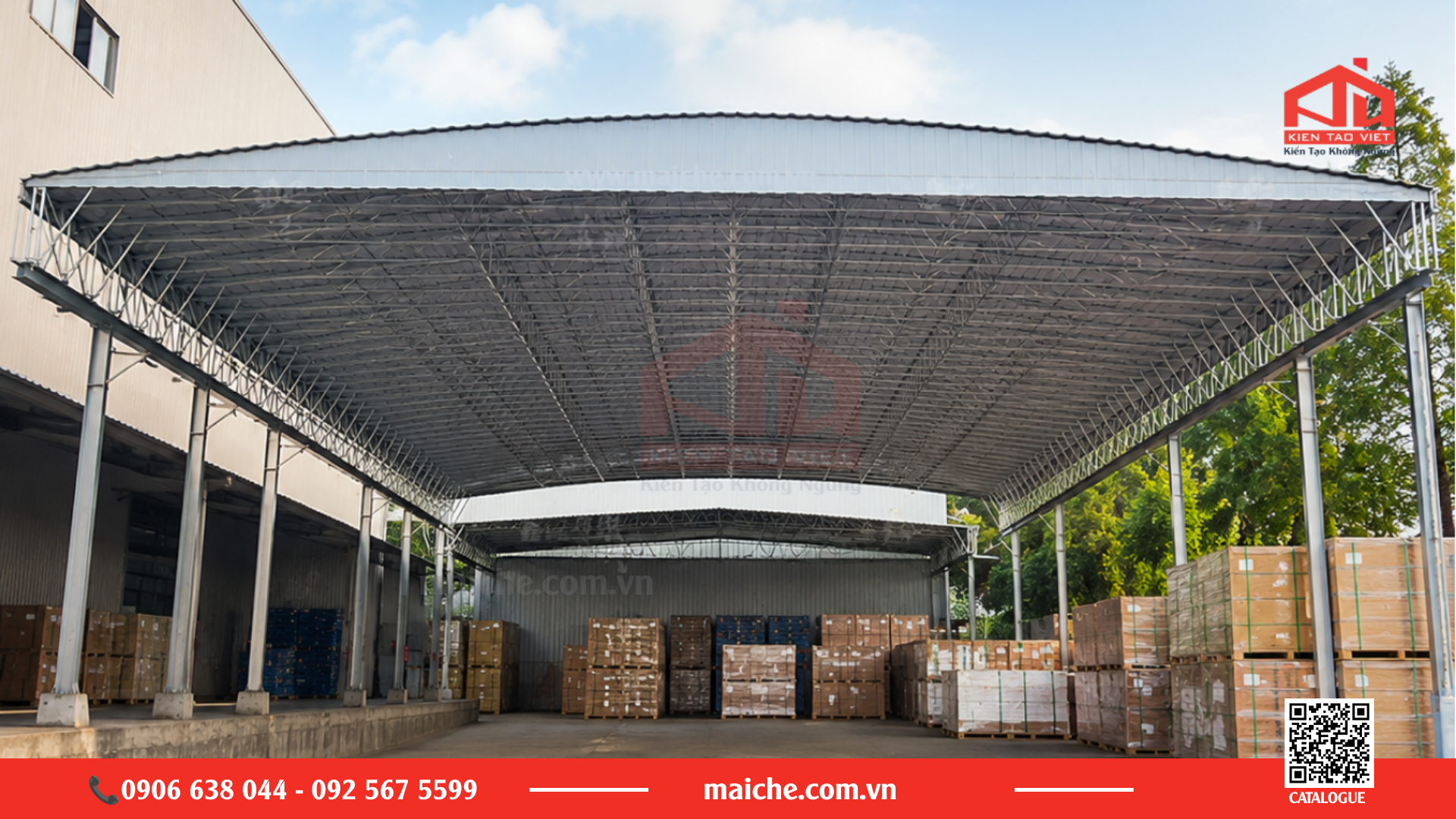
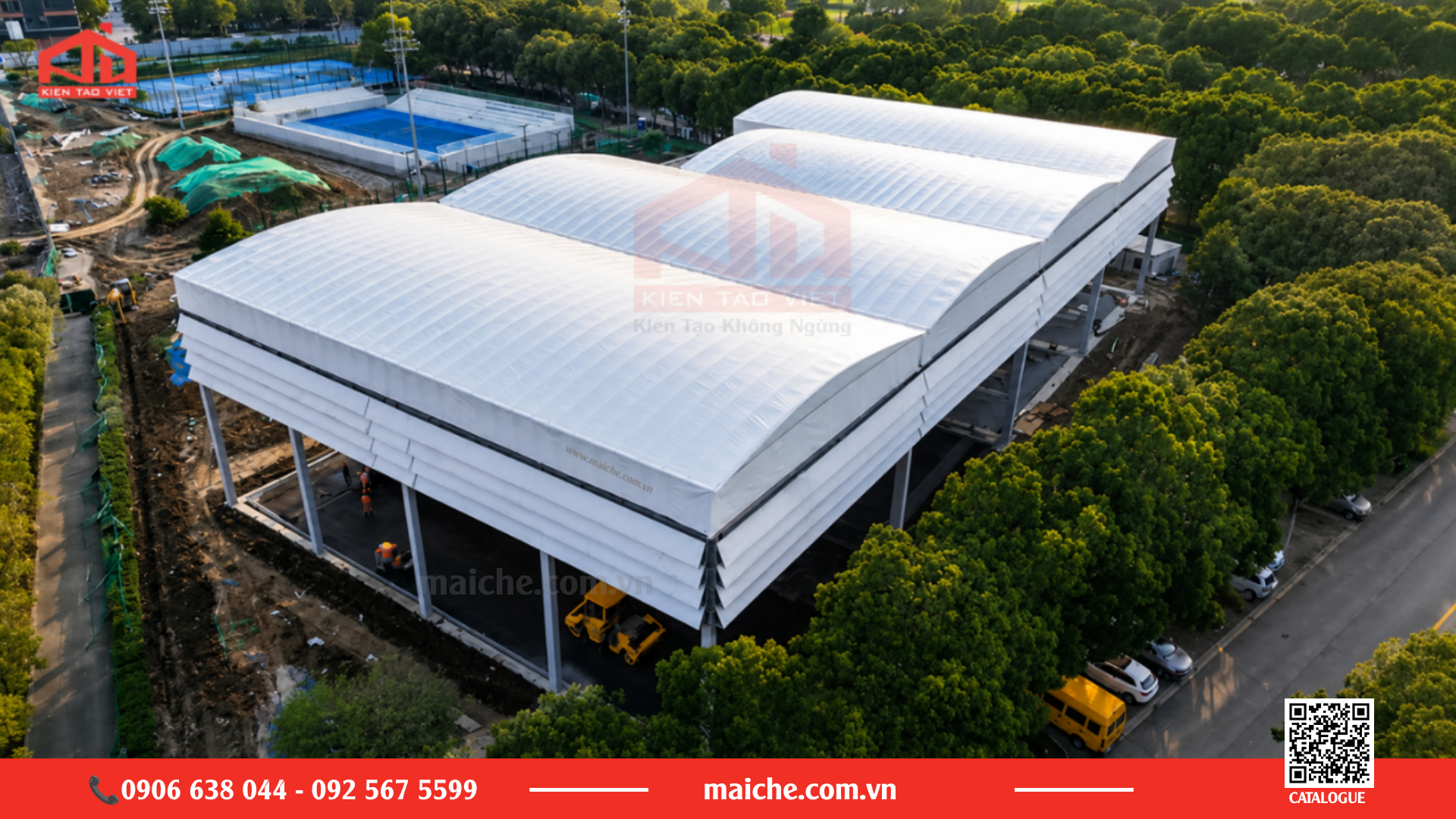
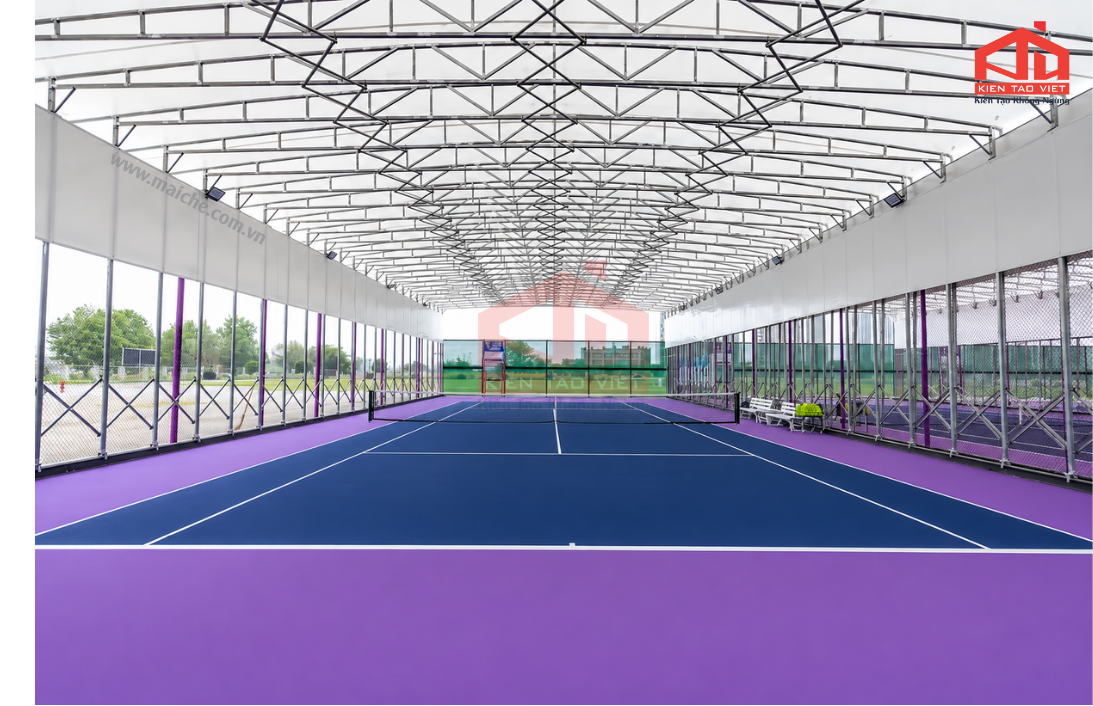
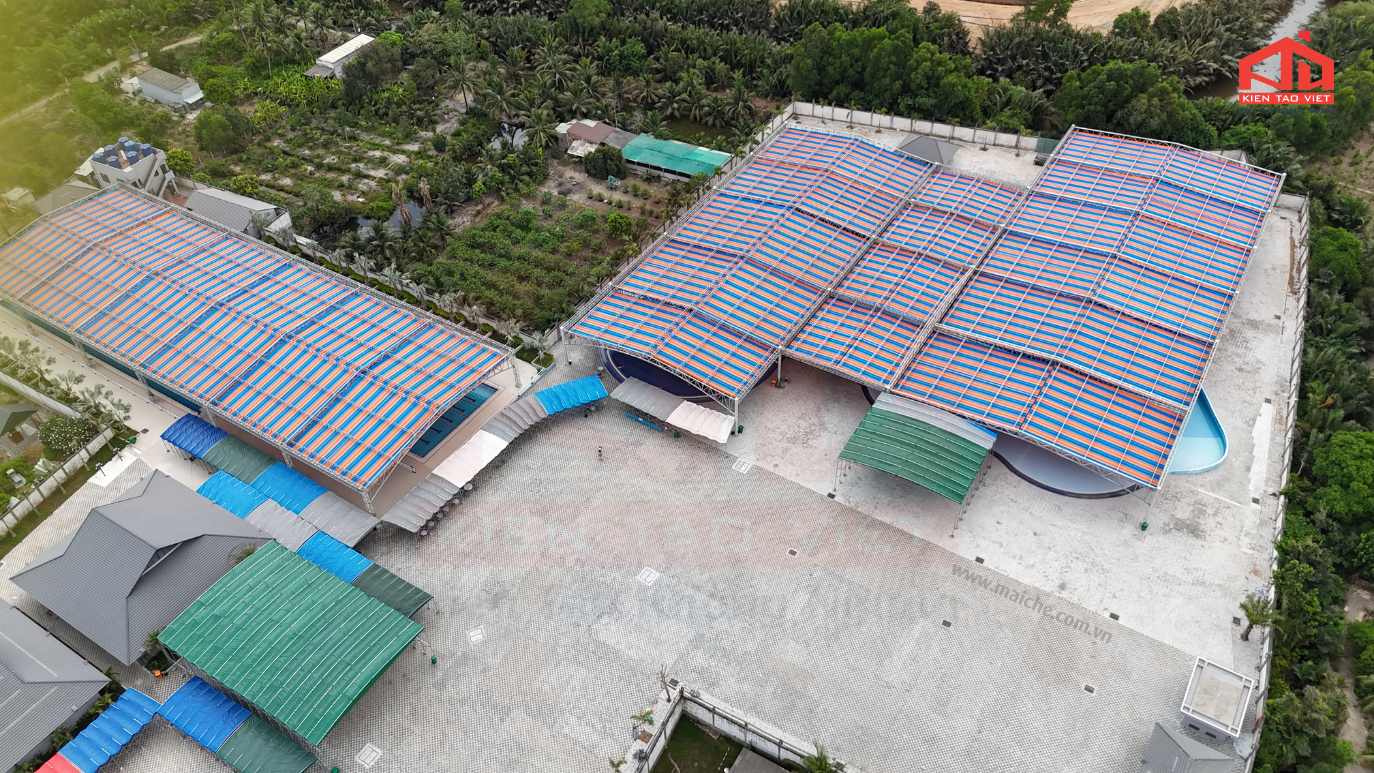
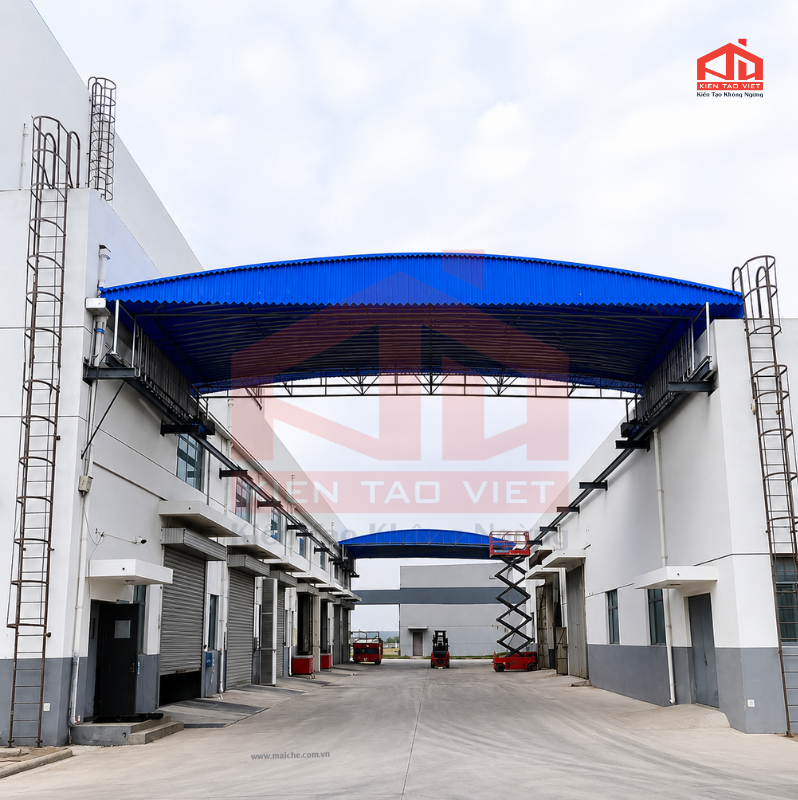
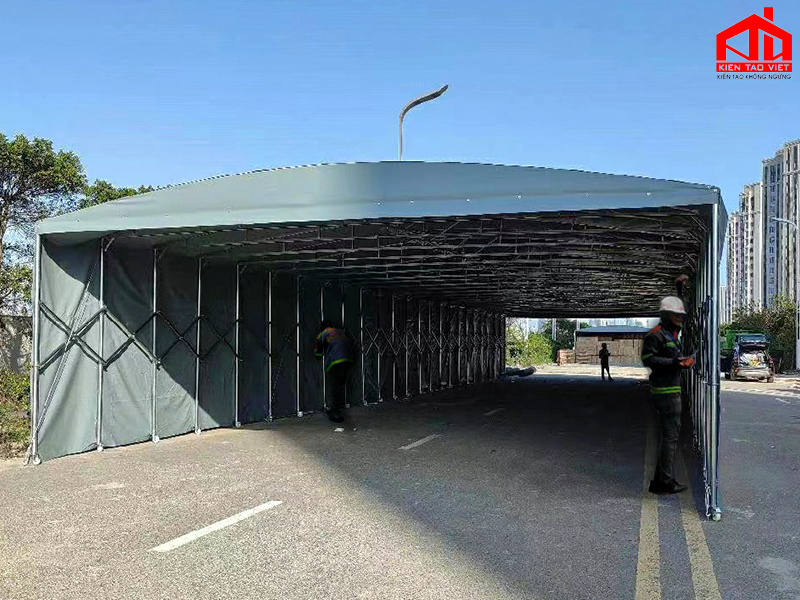
A retractable roof is a movable roofing system designed with a curved frame structure combined with specialized PVC fabric, allowing flexible opening and closing according to actual usage requirements.
Unlike traditional fixed roofing systems, a retractable roof is designed with wheels, sliding rails, or operating mechanisms that allow users to easily extend the roof when protection is needed and retract it when they want to maximize the available space.
A typical retractable roof system consists of:
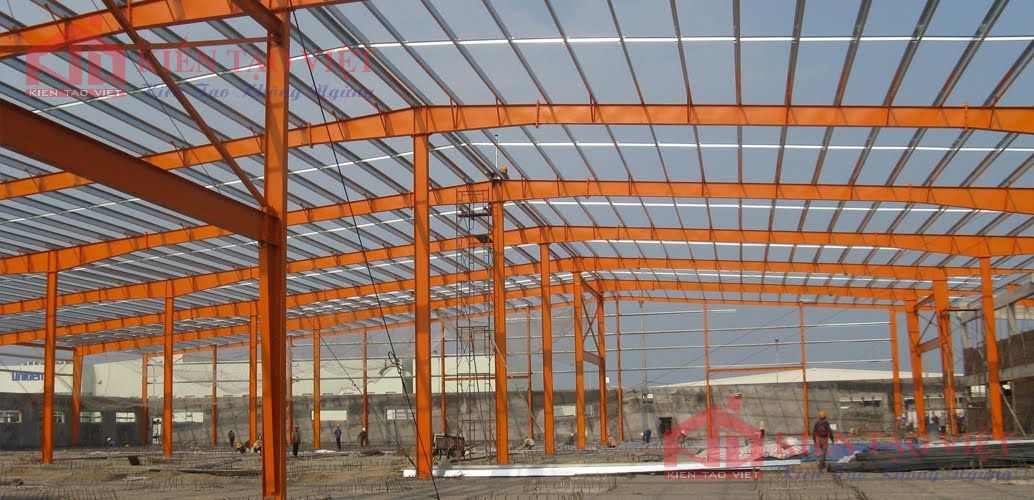
– Load-bearing frame: Manufactured from galvanized steel or high-strength metal materials, ensuring stability and durability throughout the operation process.
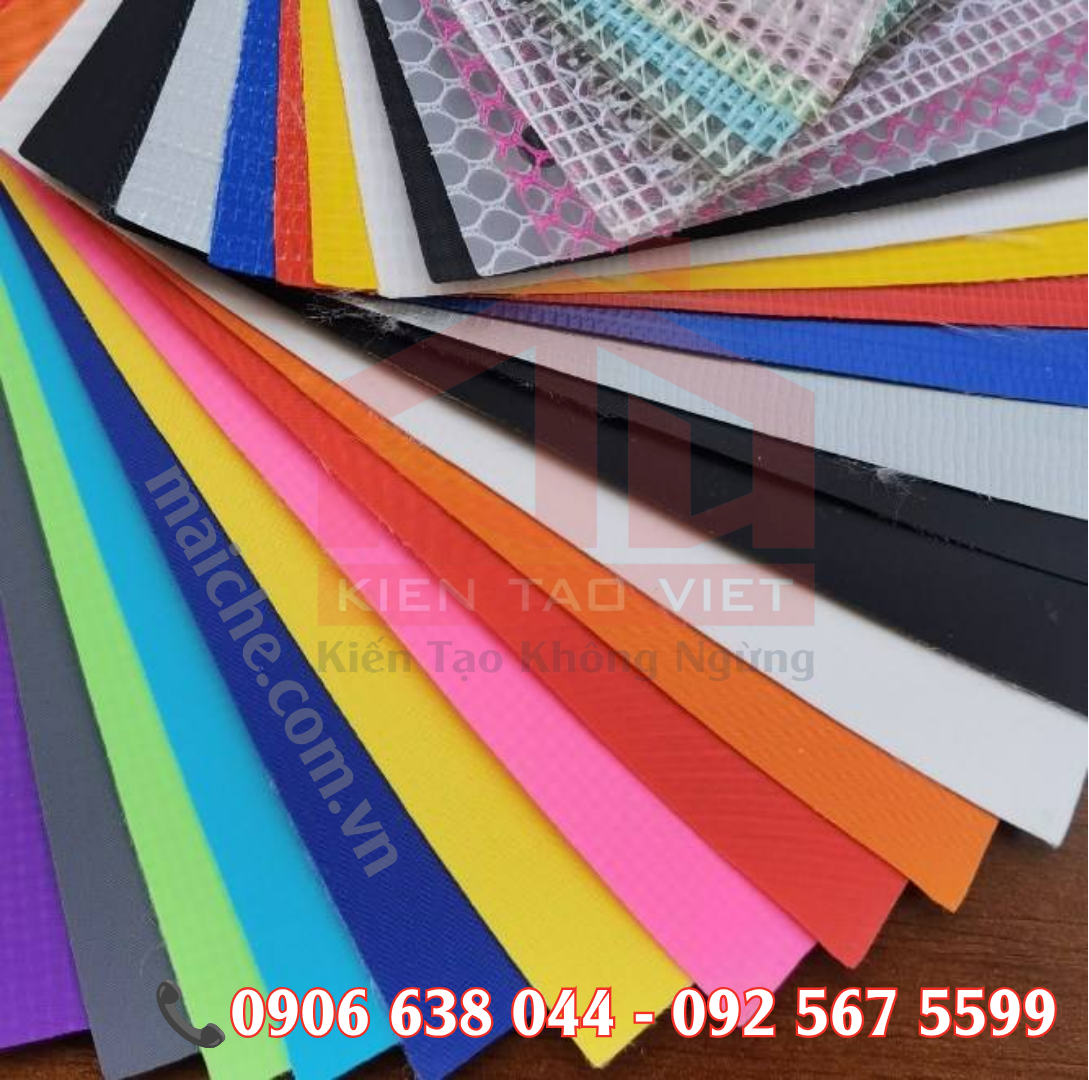
– Roofing material: Uses high-quality PVC fabric with waterproof capability, UV resistance, and the ability to minimize the impact of harsh weather conditions.
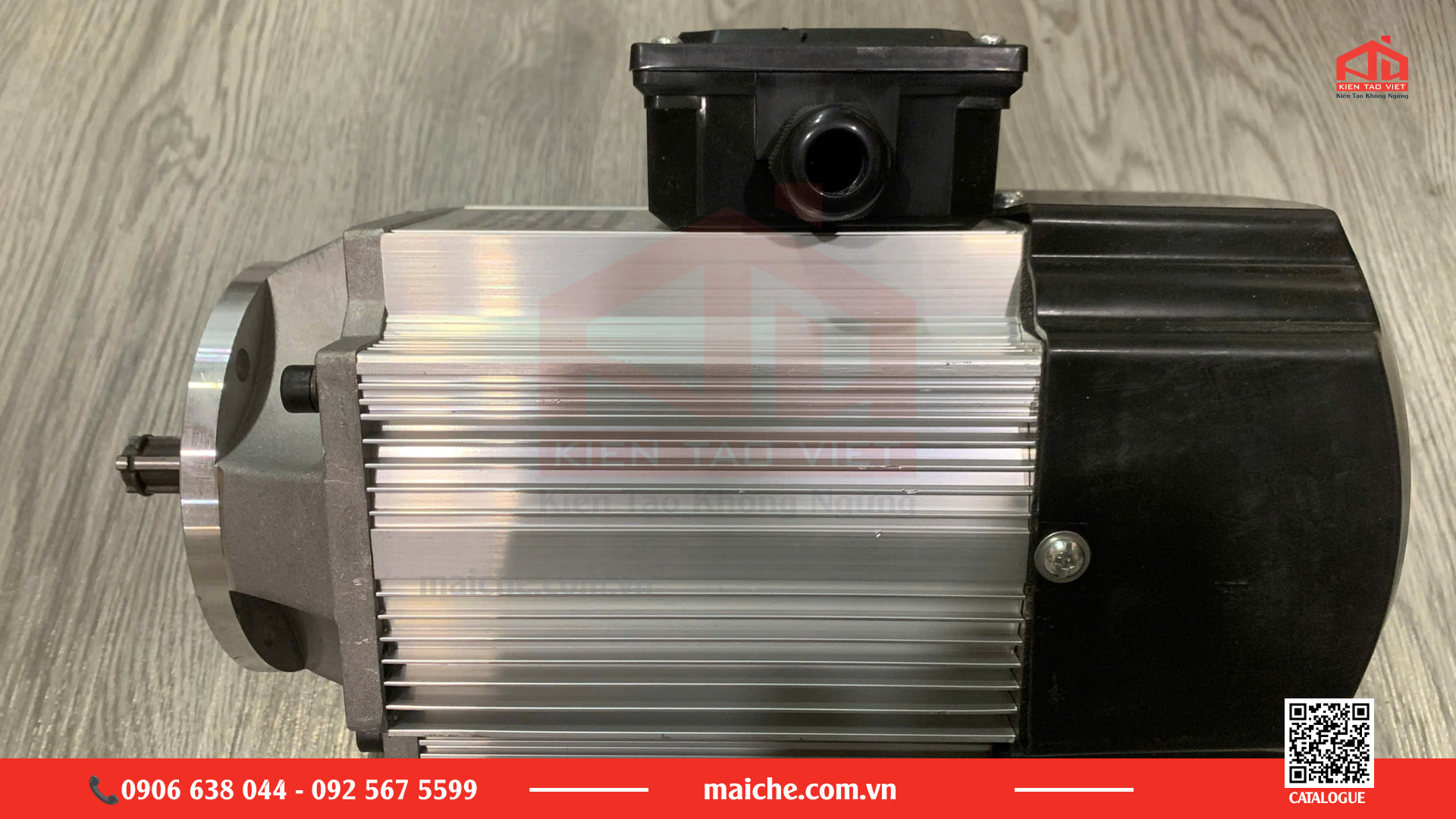
– Movement system: Includes rubber wheels, sliding rails, or motor systems for automatic retractable roof operation.
– Connection components: Includes bracing bars, pulling mechanisms, and fixing accessories that improve the overall strength and stability of the structure.
Thanks to its intelligent design, a retractable roof not only provides effective protection from sunlight and rain but also offers high flexibility during operation.
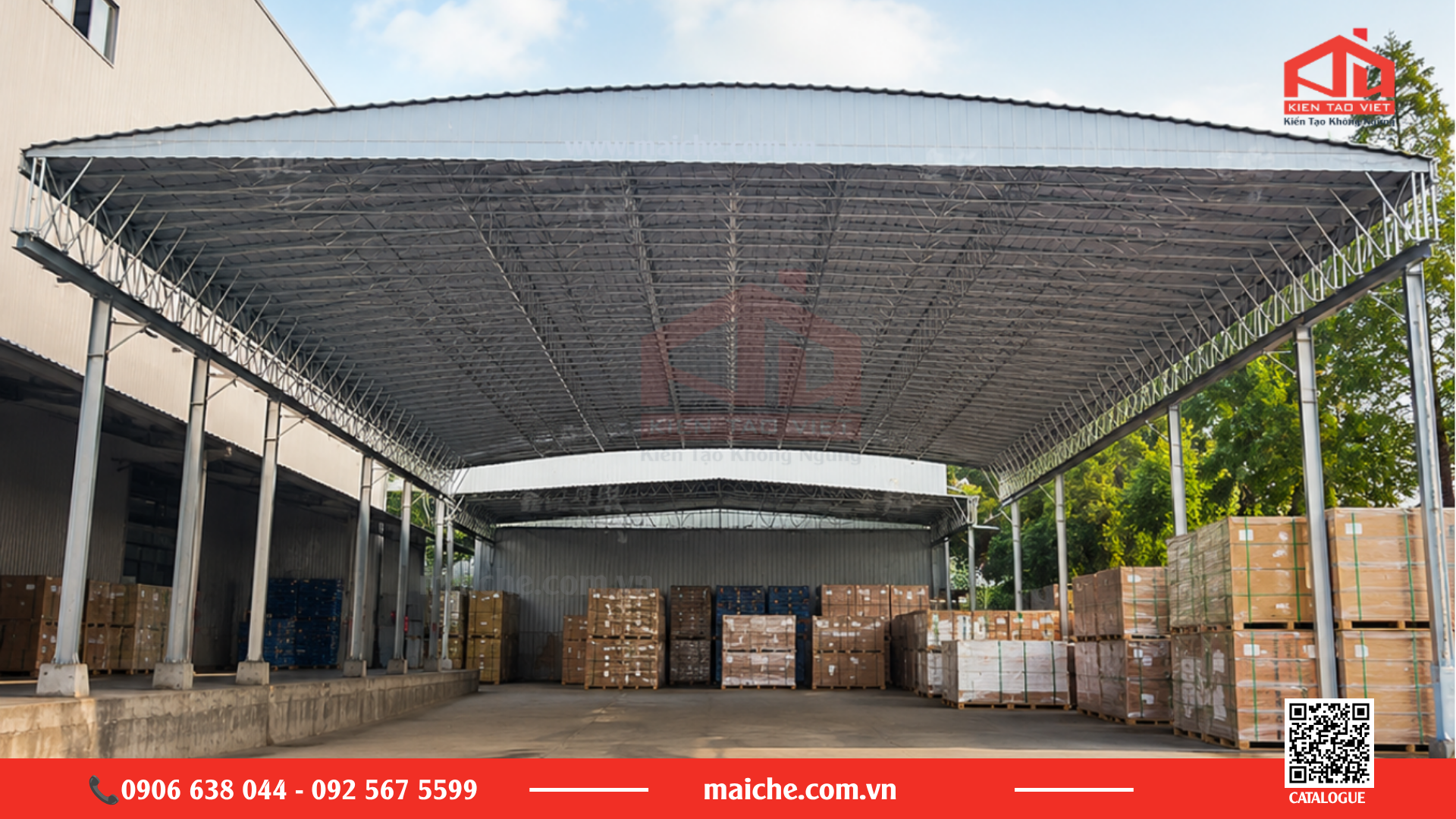
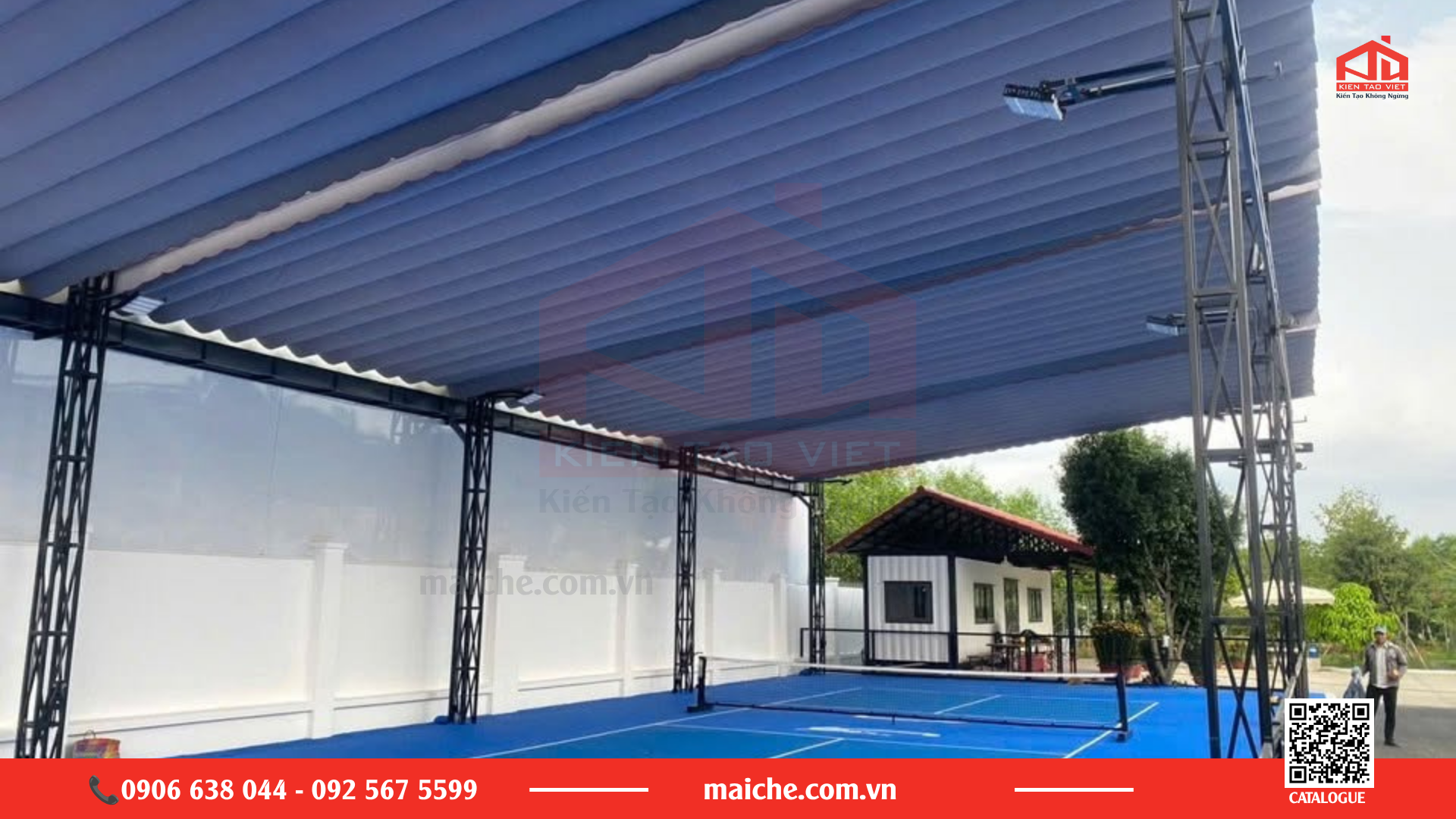
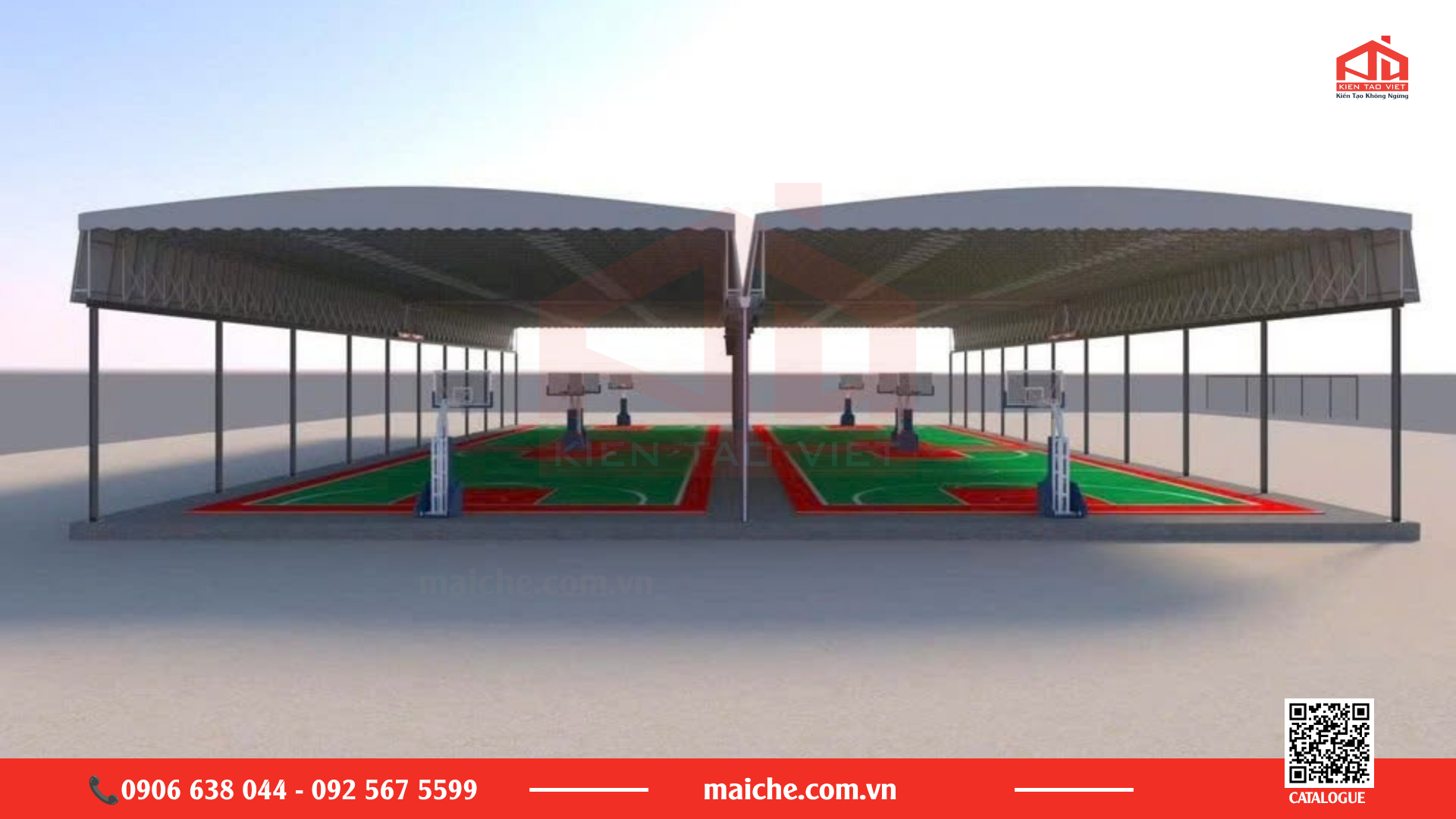
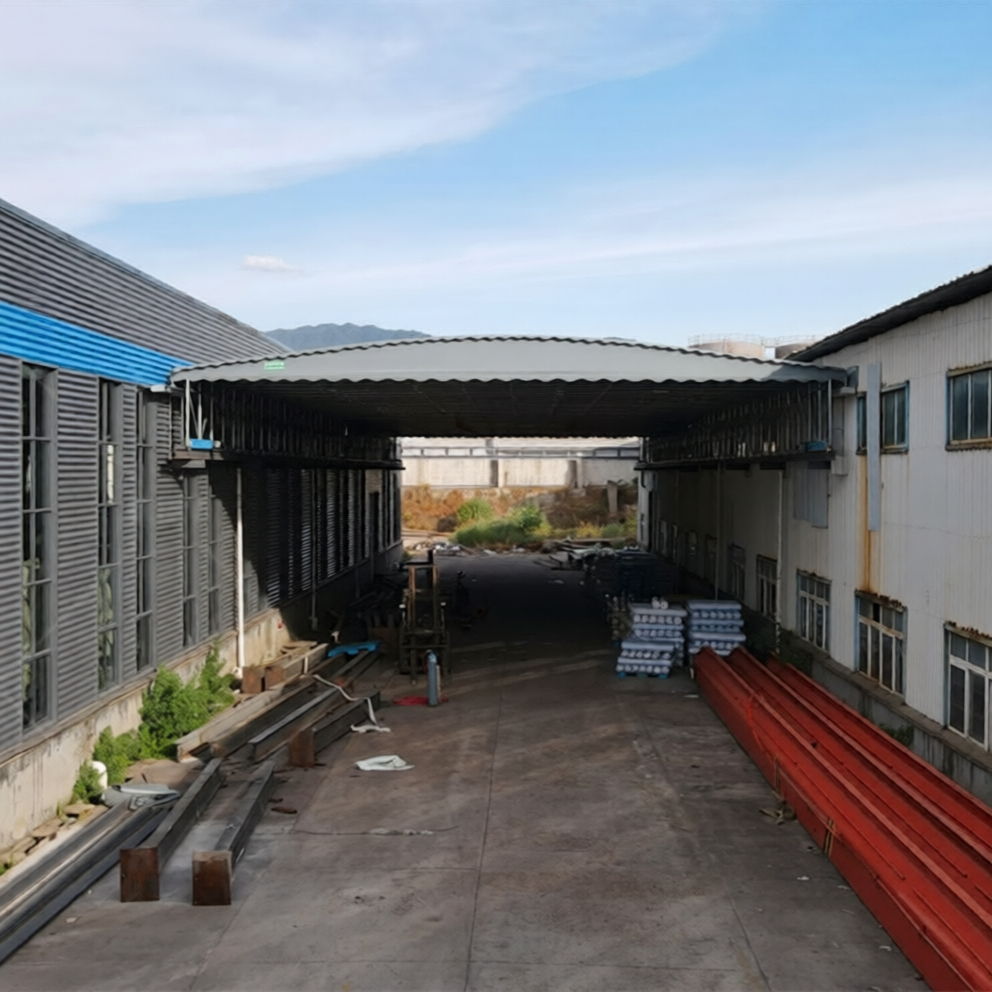
Currently, retractable roofs are widely applied in:
– Factories and manufacturing plants.
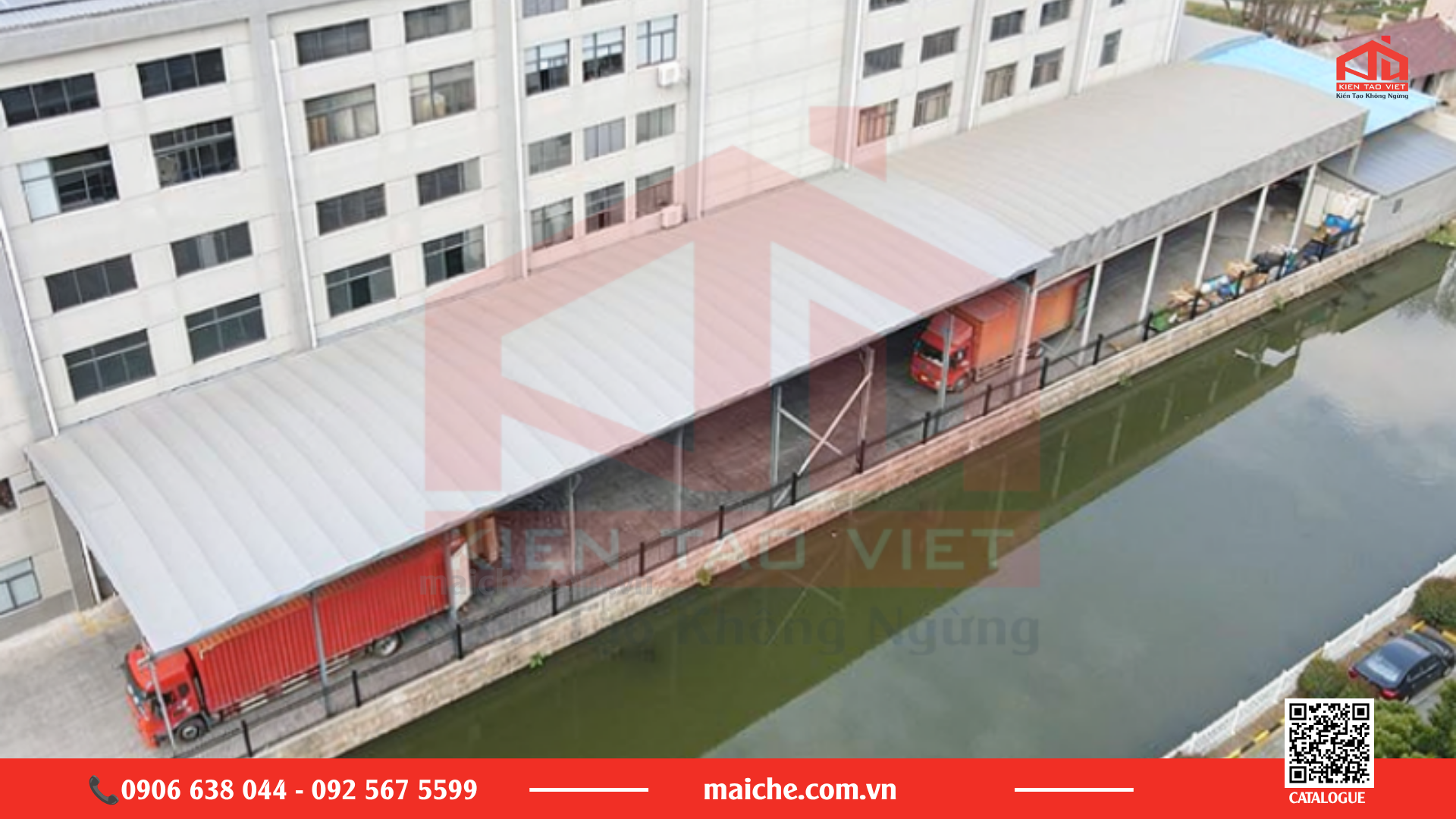
– Goods gathering and loading areas.
– Raw material storage warehouses.
– Car and motorcycle parking areas.
– Restaurants and garden cafes.
– Outdoor event areas.
>> Read more: Motorized Retractable Dome Canopy Structure and Detailed Working Principle
2. Common types of retractable roofs today
Depending on usage requirements, project size, and desired automation level, retractable roofs are divided into several different types.
2.1. Manual retractable roof
A manual retractable roof is operated through direct pushing and pulling force from users. The system consists of a load-bearing steel frame, specialized PVC fabric, and a wheel movement system, making the opening and closing process simple and convenient.
With advantages such as reasonable investment costs, easy operation, and no requirement for complicated control systems, manual retractable roofs are suitable for medium and small spaces such as cafes, restaurants, parking areas, or locations that require flexible changes in covered areas.
2.2. Automatic retractable roof
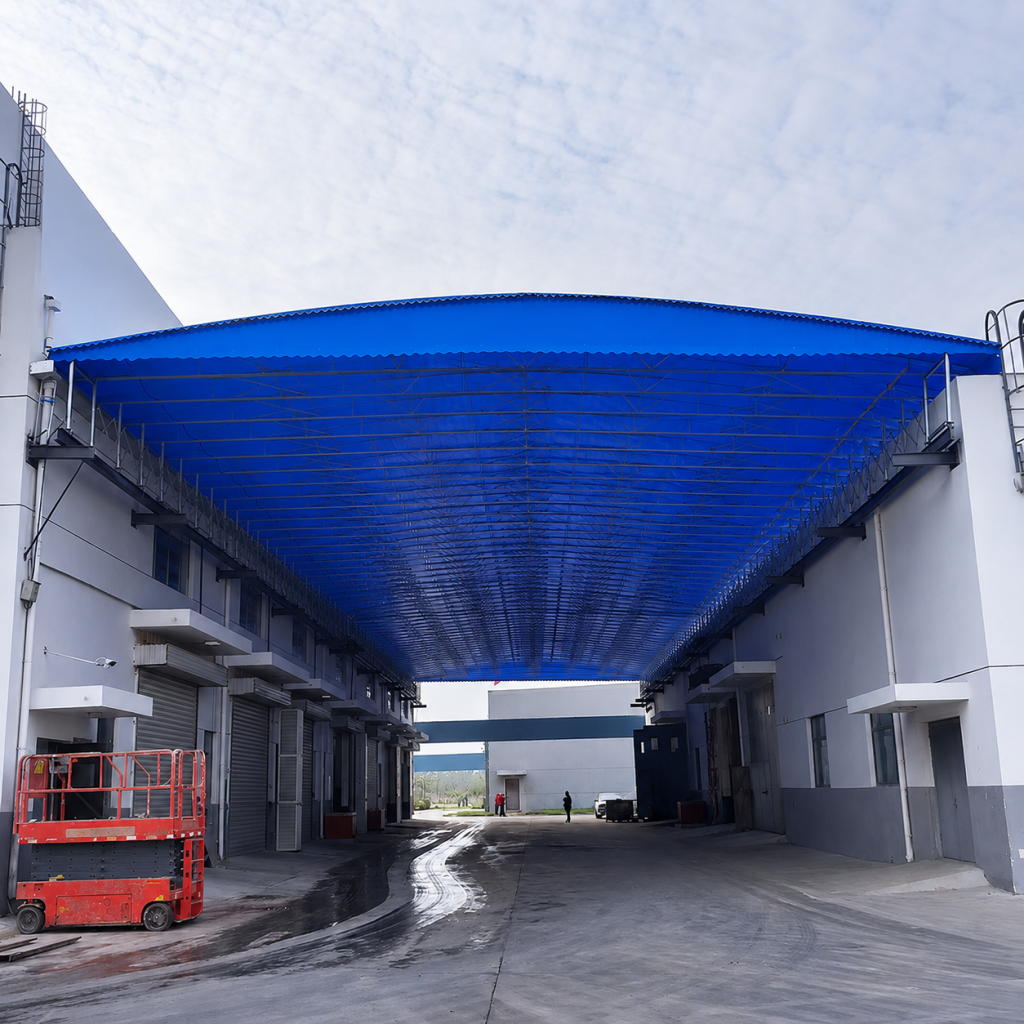
For large-scale projects such as factories, logistics warehouses, or industrial production areas, an automatic retractable roof is an ideal solution thanks to its fast and convenient operation.
The system is equipped with electric motors, remote controls, specialized sliding rails, and high-strength structural frames, allowing users to easily open and close the roof with simple control operations.
Compared with manual retractable roofs, automatic retractable roofs help save operating time, reduce labor requirements, and are suitable for large-scale spaces.
This is also a preferred choice for many businesses looking for a stable, modern, and long-term industrial roofing system.
3. What is a mobile tent?
Besides retractable roofs, mobile tents are also a popular covering solution today.
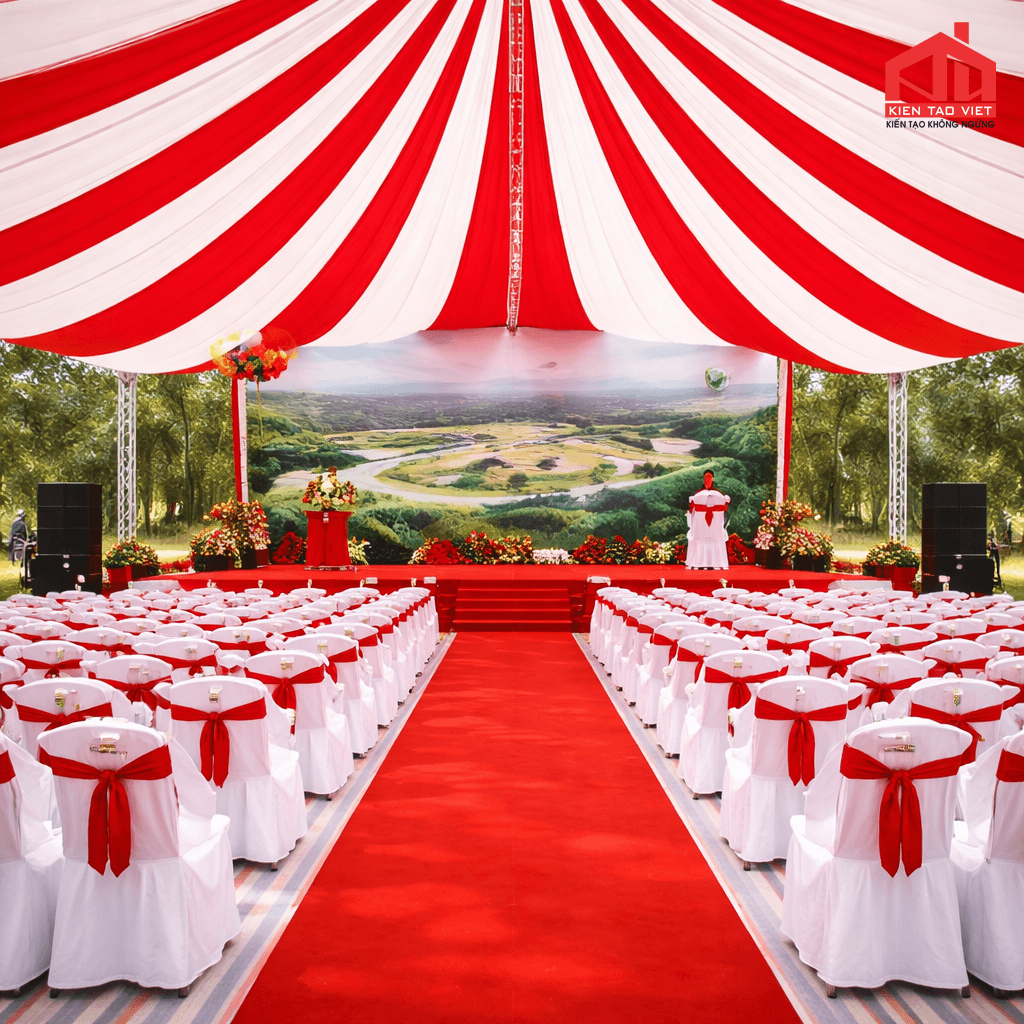
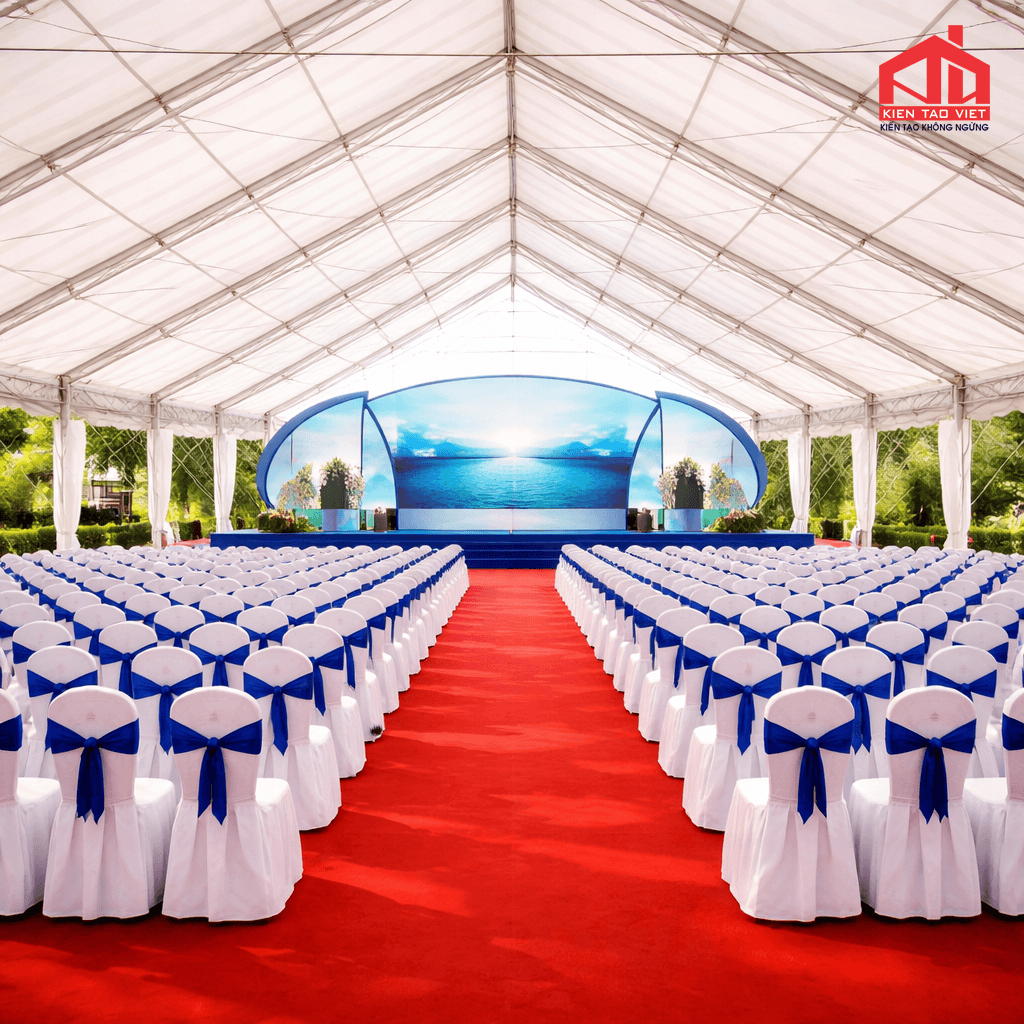
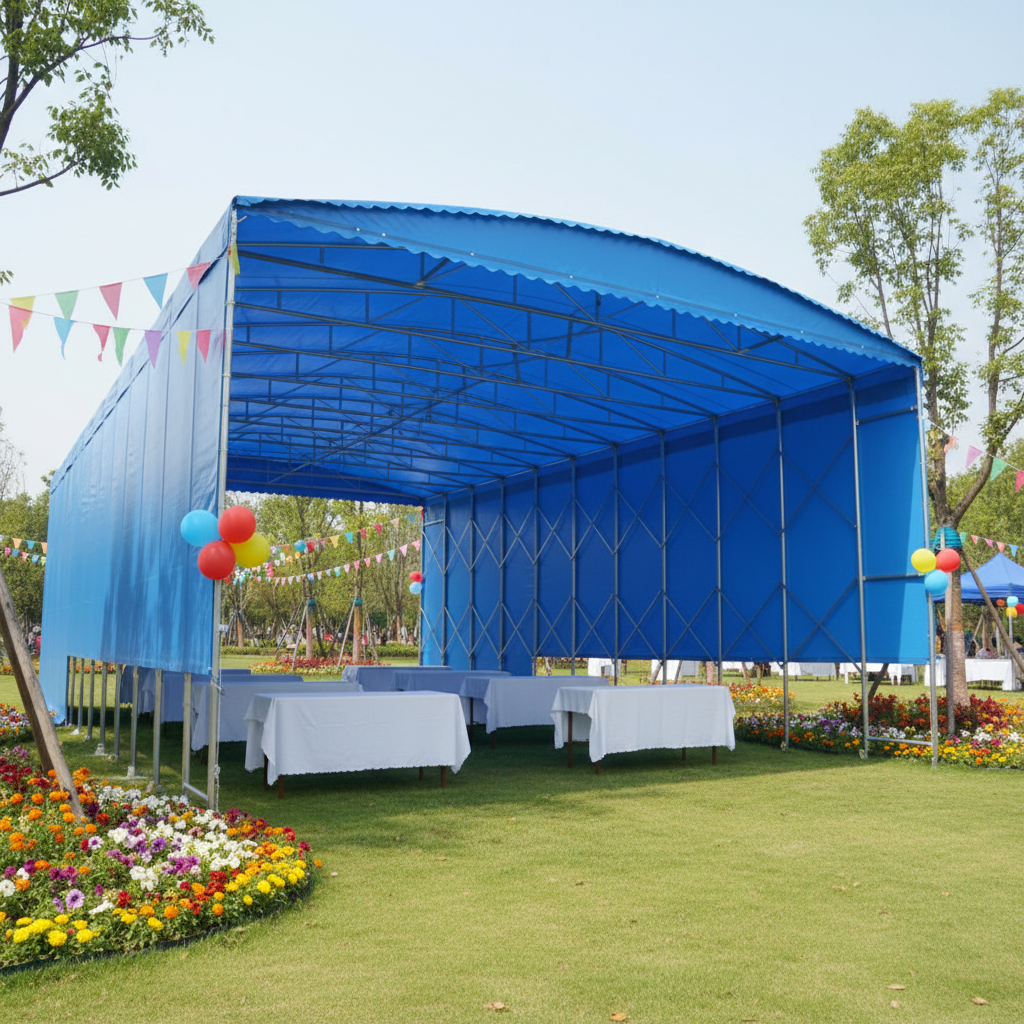
A mobile tent is a temporary or semi-permanent structure that uses an assembled frame combined with fabric materials to create a covered space.
The basic structure of a mobile tent includes a load-bearing frame and connecting components. The frame is commonly manufactured from powder-coated steel, aluminum profiles, stainless steel, or other lightweight metal materials to ensure durability and convenience during installation.
The frame components are connected using bolts, locking pins, or joints, allowing quick assembly, easy relocation, and flexible adaptation to different usage requirements.
4. Comparison between retractable roofs and mobile tents: what are the differences?
Although both solutions share the same purpose of creating flexible covered spaces, retractable roofs and mobile tents have clear differences in terms of design, durability, load-bearing capacity, and application range.
Choosing the right roofing solution depends on usage requirements, project size, and expected operating period.
Below are important criteria that help you easily distinguish between these two solutions.
| Criteria | Retractable roof | Mobile tent |
| Design | Modern curved frame structure with extendable and retractable operation | Assembled frame structure combined with fabric covering |
| Structure | High-strength steel frame with durable connections | Steel/aluminum frame designed for quick installation and removal |
| Mobility | Operates through fixed rail systems or wheel mechanisms | Can be dismantled and relocated to another position |
| Durability | High durability, suitable for long-term use | Suitable for short-term or semi-permanent applications |
| Wind resistance | Good thanks to strong structural connections | Depends significantly on installation methods and anchoring systems |
| Aesthetic value | High, suitable for modern architectural projects | Focuses mainly on practicality and convenience |
| Operation | Manual operation or automatic motor control | Mainly operated through manual assembly and removal |
| Applications | Factories, warehouses, parking areas, industrial zones | Events, conferences, temporary spaces |
5. Structural differences between retractable roofs and mobile tents
5.1. Retractable roofs have stronger structures
The outstanding advantage of a retractable roof lies in its specialized load-bearing frame system, which is designed for frequent opening and closing operations.
The roof frame commonly uses galvanized steel or anti-rust coated steel combined with structural bracing components to improve load-bearing capacity.
Especially for large industrial projects, the retractable roofing system is carefully calculated based on:
– Frame spacing.
– Wind resistance capability.
– Roof load capacity.
– Structural stability during operation.
Thanks to this design, retractable roofs can operate stably for a long period and are suitable for environments requiring high durability.
5.2. Mobile tents prioritize flexibility and quick installation
Unlike retractable roofs, mobile tents are usually designed with a focus on easy assembly and removal.
The components of a mobile tent can be separated into different parts:
– Steel frame.
– Connecting bars.
– Fabric roof covering.
– Fixing accessories.
This advantage makes mobile tents suitable for short-term usage requirements such as:
– Organizing events.
– Outdoor exhibitions.
– Mobile sales areas.
– Community activities.
However, because the structure is mainly designed for flexibility, the load-bearing capacity and long-term stability of mobile tents are generally not as high as specialized retractable roofing systems.
6. Differences in durability and service life
Durability is an important factor that businesses need to consider before choosing a roofing solution.
Retractable roofs have a longer service life
Thanks to the use of:
– High-quality steel frames.
– Industrial-grade PVC fabric.
– Strong connection systems.
Retractable roofs can provide good resistance against various outdoor conditions, including:
– Prolonged exposure to sunlight.
– Heavy rainfall.
– High humidity.
– Environmental impacts.
When properly installed and regularly maintained, a retractable roof system can operate stably for many years.
This is why many factories, industrial zones, and manufacturing businesses prefer retractable roofs instead of temporary covering solutions.
Mobile tents are suitable for flexible usage needs
Mobile tents also provide certain durability when used and maintained properly.
However, due to their characteristics of frequent assembly, disassembly, and relocation, their service life depends on:
– Frequency of use.
– Weather conditions.
– Maintenance methods.
– Material quality.
Therefore, mobile tents are more suitable for applications that do not require long-term fixed installation.
7. Differences in aesthetic value between the two roofing solutions
Besides protection functions, aesthetics are becoming an increasingly important factor for businesses when selecting roofing systems.
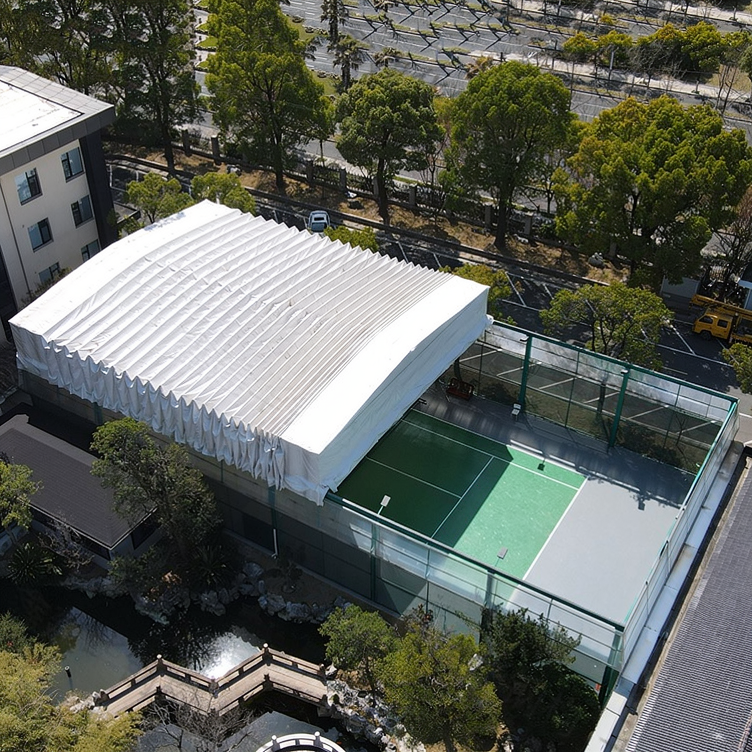
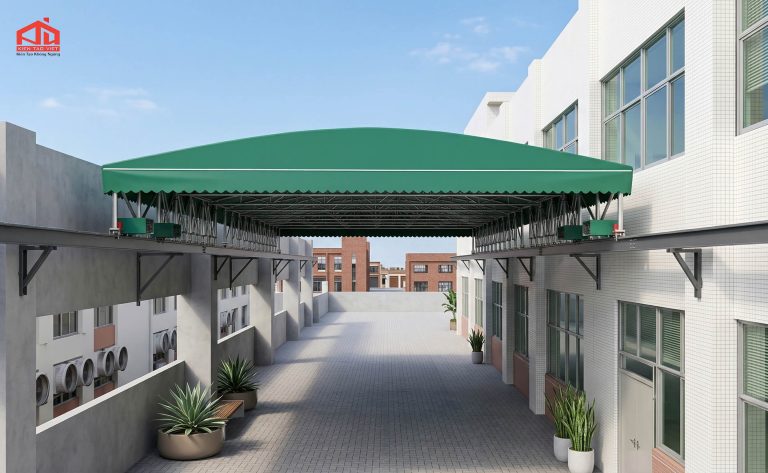
Retractable roofs provide a modern design
With a smooth curved appearance, retractable roofs create a feeling of:
– Luxury.
– Professionalism.
– Harmony with the overall architecture of the project.
Businesses can choose:
– Fabric colors that match brand identity.
– Sizes suitable for the available space.
– Manual or automatic operating methods.
A well-designed retractable roof not only improves the appearance of the project but also enhances the overall professional image of the business.
Mobile tents focus more on functionality
Mobile tents mainly focus on the ability to:
– Provide quick coverage.
– Install easily.
– Be reused multiple times.
Therefore, their designs are usually simpler and more suitable for areas where architectural appearance is not the main priority.
>>Read more: Modern Motorized Retractable Dome Canopy Design Trends in 2026
8. When should you choose a retractable roof?
A retractable roof is a suitable choice if you are looking for a roofing solution that provides:
– Long-term use.
– Flexible opening and closing capability.
– Good resistance to outdoor weather conditions.
– High aesthetic value.
– Suitability for large-scale projects.
Some common applications include:
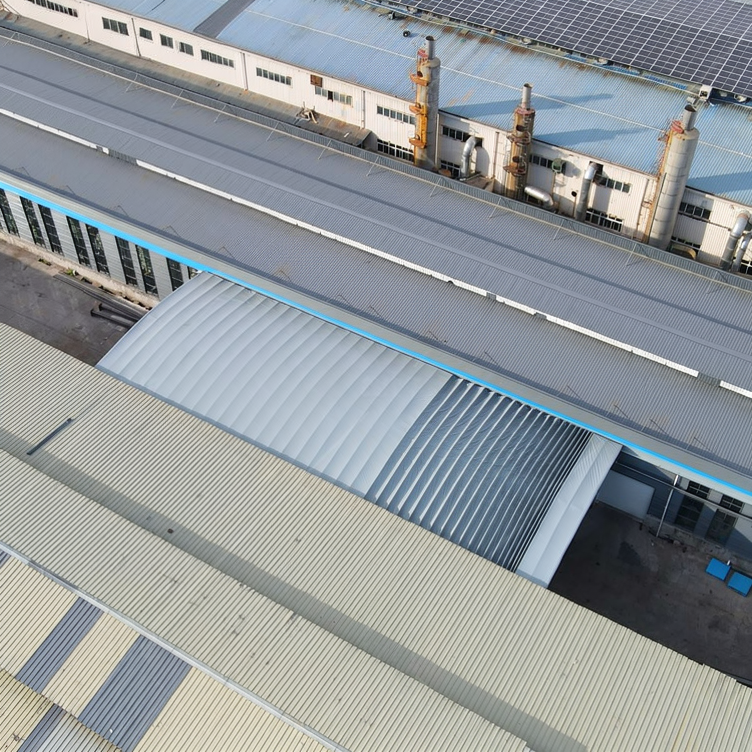
– Retractable roof for factories.
– Retractable roof for storage warehouses.
– Retractable roof for parking areas.
With the ability to combine durability, flexibility, and modern design, retractable roofs are becoming an effective solution for businesses that need a reliable covering system for long-term operation.
9. Outstanding advantages of retractable roofs
Not only meeting the need for sun and rain protection, retractable roofs are also highly appreciated thanks to their flexible operation, high durability, and diverse applications.
Compared with traditional covering solutions, this roofing system provides many outstanding benefits for businesses, factories, and outdoor projects.
– Effective protection against weather conditions.
– Flexible operation during usage.
– High durability, suitable for long-term applications.
– Optimization of usable space.
– Improved convenience for businesses during production and operation.
Why should businesses choose retractable roofs from Kien Tao Viet?
As a company operating in the mechanical and construction field, Kien Tao Viet provides retractable roof solutions that meet the practical requirements of many businesses, factories, and large-scale projects.
We focus on key factors including:
– Designs customized according to each project.
– Strong structures that ensure safety.
– Professional construction with guaranteed progress.
– High-quality materials suitable for actual operating conditions.
With experience in mechanical construction and industrial solutions, Kien Tao Viet is committed to providing durable, aesthetic, and effective retractable roofing systems for each project.
Retractable roof installation process at Kien Tao Viet
To ensure that the retractable roof system operates safely, stably, and effectively according to actual usage requirements, the installation process needs to be carried out professionally and carefully.
At Kien Tao Viet, each project is implemented through clear steps to ensure quality from the initial survey stage until the final handover.
1. Site survey and project assessment
Before starting the design process, the technical team will conduct a direct site survey to evaluate:
– Installation area size.
– Ground conditions.
– Installation position of the rail system or wheel mechanism.
– Customer’s requirements for opening and closing the roof.
– Surrounding environmental conditions.
The survey process helps determine the most suitable retractable roof solution, ensuring efficiency and long-term performance during use.
2. Consulting and designing the retractable roof solution
Based on actual requirements, Kien Tao Viet provides consultation on suitable solutions regarding:
– Roof dimensions.
– Manual or automatic operating methods.
– Frame and fabric materials.
– Colors suitable for the project.
– Cost-effective construction solutions.
For large projects such as factories, warehouses, and industrial zones, the design plan is carefully calculated based on durability, load-bearing capacity, and operational safety.
3. Manufacturing structural frames and components
After the solution is approved, the components of the retractable roof system will be manufactured at the workshop.
The manufacturing process includes:
– Cutting and fabricating steel frames according to technical drawings.
– Surface treatment to prevent corrosion.
– Trial assembly of components.
– Checking structural accuracy.
Pre-fabrication at the workshop helps shorten installation time at the project site while ensuring overall quality.
4. Installing the retractable roof system
The technical team proceeds with installing:
– Load-bearing frames.
– Sliding rail systems or wheel mechanisms.
– PVC fabric roofing.
– Structural bracing components.
– Control systems for automatic retractable roofs.
After completion, the system will be tested for:
– Smooth opening and closing operation.
– Stable movement.
– Good load-bearing performance.
– Safety during actual usage.
5. Inspection and project handover
Before handing over the project, Kien Tao Viet conducts a complete inspection of the entire system to ensure that the retractable roof meets all technical requirements.
Customers will be guided on:
– How to operate the roof system.
– How to handle basic issues during usage.
This helps customers maximize the efficiency and lifespan of their retractable roof system.
Conclusion
It can be seen that both retractable roofs and mobile tents are effective covering solutions. However, each option is suitable for different usage requirements.
If customers need a roofing system with:
– Long-term operation.
– High durability.
– Professional design.
– Suitability for factories, warehouses, and businesses.
A retractable roof will be the more optimal choice.
Meanwhile, mobile tents are more suitable for needs that require quick installation, short-term usage, or frequent relocation.
With experience in the mechanical and construction industry, Kien Tao Viet is committed to providing high-quality retractable roof solutions that meet requirements for durability, aesthetics, and effective operation for each project.